
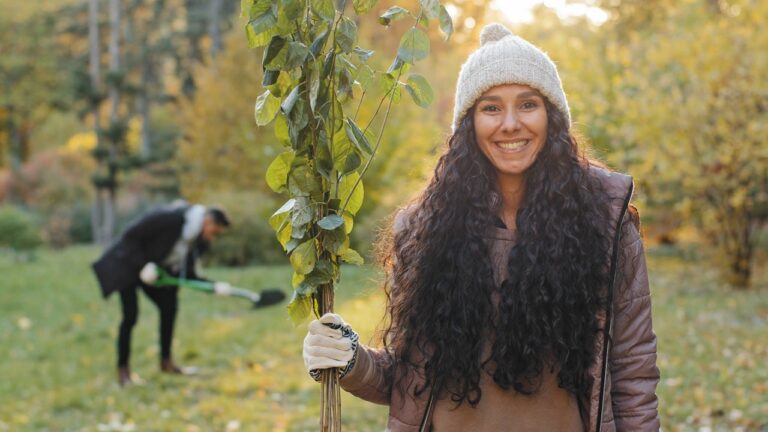
Starting a successful tree planting project is not about how many trees you put in the ground. It is about how many are still alive five, ten, or fifty years later. The only way to do that is to design long-term care into the project from the very beginning.
That means choosing the right location, planting the right species, securing water access, assigning long-term responsibility, and setting up monitoring and maintenance plans that last far beyond the first planting day.
Why Long Term Care Is the Real Project
Around the world, mass tree planting campaigns sound impressive in headlines. Millions of trees were planted in a single weekend. Huge corporate pledge numbers. Drone footage of volunteers with shovels.
Yet survival data tells a different story.
Peer-reviewed forestry studies across Africa, South America, and Southeast Asia consistently show first-year mortality rates between 40 percent and 70 percent when no structured aftercare exists. In some degraded soils, survival can drop 20 percent below after three years.
In contrast, projects that combine:
- species matching to soil and rainfall
- irrigation planning
- grazing protection
- Community-assigned caretakers
routinely maintain 70 to 90 percent survival after five years.
Tree planting without care is symbolic. Tree planting with care is ecosystem recovery.
Step 1: Define the Real Purpose of Your Project
Before you plant a single tree, you need to answer one hard question honestly:
What problem is this project actually meant to solve?
Tree planting goals fall into four real categories:
| Project Goal | What Success Actually Means |
| Climate carbon drawdown | Long-living native canopy that survives 40+ years |
| Soil erosion control | Dense root systems stabilizing slopes |
| Urban cooling | Shade coverage reduction in surface temperature |
| Food security | Fruit and nut trees reaching productive maturity |
If you mix goals without clarity, projects collapse. A carbon project fails if trees die young. A food forest fails if drought kills seedlings. Purpose determines species, spacing, irrigation, and protection strategy.
Step 2: Choose the Right Location Based on Water, Not Land Availability
The biggest hidden killer of planting projects is bad water planning.
People often choose land because it is:
- free
- vacant
- donated
- politically available
None of those guarantees survival.
What matters instead:
- Annual rainfall patterns
- Depth of groundwater
- Distance to irrigation
- Drainage behavior during storms
Even 10 miles can separate viable forest recovery from total seedling collapse.
A simple rule used by professional foresters:
If you cannot reliably deliver 10–20 liters of water per tree per week during the first dry season, you should not plant trees there.
Step 3: Species Selection Is a Survival Decision, Not a Design Choice

Tree species selection is where most well-intended projects quietly fail.
Mistakes that kill long-term survival:
- importing fast-growing non-native species
- planting ornamental species in restoration zones
- ignoring root depth in shallow soils
- planting water-heavy trees in semi-arid regions
Native species consistently outperform imported trees in disease resistance, soil stabilization, pollinator support, and drought tolerance.
Researchers analyzing reforestation projects in Brazil and Ecuador found that native mixed plantings survived at nearly double the rate of monoculture exotics by year five.
Step 4: Design Spacing for the First 25 Years, Not Year One
People often plant trees too close together because it looks impressive in photos.
This causes three problems:
- nutrient competition
- canopy crowding
- water stress during droughts
Forestry spacing standards vary by biome, but a general rule for mixed projects is:
| Tree Type | Recommended Spacing |
| Small native trees | 2.5 to 3 meters |
| Medium canopy trees | 4 to 5 meters |
| Large hardwoods | 6 to 8 meters |
Correct spacing increases survival, reduces fungal spread, and prevents costly thinning later.
Step 5: Long-term Care Starts With the First 24 Months
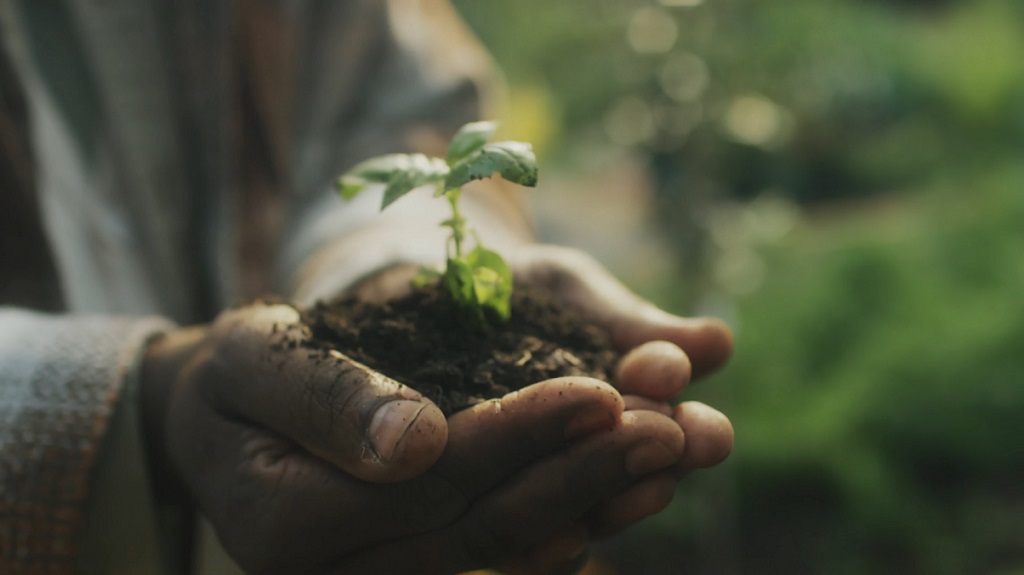
The first two years after planting decide almost everything about whether a tree will live for decades or quietly disappear. This is the point where a project must move beyond a single planting event and become an actual care system.
In most climates, survival depends on consistent weekly watering during dry spells, proper mulch applied immediately after planting to regulate soil temperature and moisture, solid fencing that protects young trees from livestock and wildlife, and planned replacement planting for early losses that inevitably occur.
Forestry NGOs and long-term reforestation studies consistently show a sharp drop in death rates once trees make it past the 24-month mark. After that threshold, root systems are deeper, stress tolerance improves, and natural resilience rises rapidly.
Step 6: Assign Ownership to Humans, Not Just Organizations

One of the strongest and most underestimated predictors of long-term tree survival is not soil quality, rainfall, or even species selection, but human attachment.
Projects that assign responsibility to local caretakers, school programs, village adoption systems, or even named guardians for small clusters of trees consistently achieve far higher survival than anonymous mass plantings.
When a person knows they are responsible for ten specific trees, those trees receive fundamentally different treatment than when someone plants two hundred and walks away.
They get watered on hot days, checked after storms, protected when animals get close, and noticed when something goes wrong. This simple shift from organizational ownership to personal responsibility quietly determines whether a planting project becomes a forest or just a forgotten statistic.
Step 7: Budget for Care, Not Just Planting
This is the step that separates serious projects from PR campaigns.
Many organizations spend:
- 90 percent on planting
- 10 percent on aftercare
The most successful survival programs flip that ratio.
Realistic long-term budgeting looks like this:
| Category | Percentage of Total Budget |
| Seedlings and planting | 30–40 percent |
| Water systems | 20–25 percent |
| Protective fencing | 15–20 percent |
| Monitoring and caretakers | 15–25 percent |
If you cannot afford to care for the trees, you cannot afford to plant them.
Step 8: Measuring Success Requires Words, Not Just Trees
One overlooked but critical part of professional credibility is transparent documentation.
Monitoring reports should include:
- survival percentages
- replacement counts
- irrigation volumes
- disease and pest issues
- seasonal photos
Even small projects benefit from publishing survival reports. If you need a fast way to verify the length and structure of your documentation updates or research summaries, tools like a word counter used naturally during reporting workflows can help you maintain clear public transparency for audits and grant reviews without inflating content.
This is one reason digital planning utilities have become part of modern ecological project management.
Clear records protect funding credibility and allow future scaling.
Step 9: Long-Term Protection Against the Three Big Killers
After the first two years, only three forces destroy mature planting projects:
- uncontrolled grazing
- fire
- land use conversion
Every successful long-term care plan addresses all three.
| Threat | Permanent Protection Strategy |
| Grazing | fencing, rotational pasture control |
| Fire | firebreaks, controlled burns outside zones |
| Development | legal land protection agreements |
Without land security, trees remain temporary by default.
Bottom Line
Tree planting succeeds or fails long after the planting day is over. The hard truth is that most trees that die were planted with good intentions but without a real plan for care, water, protection, and human responsibility.
Survival comes from patience, follow-up, and steady work that continues through heat waves, droughts, storms, and changing seasons. When long-term care is treated as the foundation rather than an afterthought, trees stop being a short-term gesture and start becoming permanent parts of the landscape.
What ultimately keeps a tree alive is not a grant, a campaign, or a photo opportunity. It is the person who shows up a week later with water, who repairs the fence when it breaks, who notices the leaves turning pale before the damage becomes permanent. Projects that last build systems that make this kind of care normal, not heroic. That is where forests actually come from, slowly, quietly, and with consistency.