
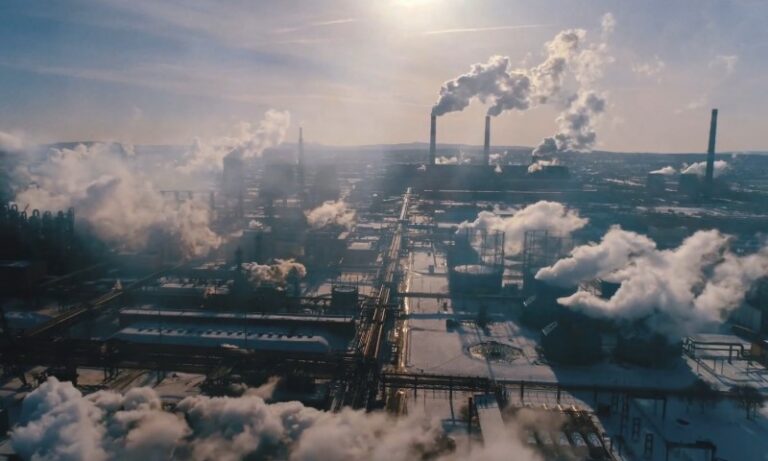
Coal, oil, and natural gas still sit at the center of daily life. Cars run on refined petroleum. Power plants keep lights on during heat waves and winter cold snaps. Factories rely on steady fuel supplies to hit production targets.
At the same time, fossil fuels sit behind record global emissions, rising climate pressure, and a heavy public-health burden tied to air pollution. The real story lives in the tradeoffs, not slogans. Fossil fuels solve certain problems very well.
They also create costs that are paid quietly across health systems, ecosystems, and future climate risk.
A clean way to evaluate fossil fuels separates operational strengths from social and environmental costs. Both sides exist at scale right now.
Key Points
- Fossil fuels still supply over 80% of global energy because they deliver dense, dispatchable power through massive existing infrastructure.
- Their use drives record greenhouse gas emissions and contributes to millions of pollution-related premature deaths each year.
- Methane leakage makes oil and gas systems strong near-term climate accelerators.
- Life-cycle emissions of coal and gas remain far higher than wind, solar, and nuclear power.
Fossil Fuels In Today’s Energy System
Fossil fuels remain dominant across the global energy mix. The Energy Institute reports fossil fuel consumption made up 81.5% of global primary energy in 2023. Renewables reached 14.6%, and renewables plus nuclear exceeded 18%.
That dominance shows up in emissions data. The same report confirms that fossil fuel combustion remains the largest component of energy-related greenhouse gas output.
Energy-related CO2 emissions reached 37.8 Gt in 2024. UNEP reports total global greenhouse gas emissions hit 57.1 GtCO2e in 2024.
Those numbers frame every conversation about fossil fuels. Advantages and disadvantages operate against a backdrop of record-level emissions and a system still anchored in carbon-based energy.
The Main Pros Of Fossil Fuels
The advantages of fossil fuels come from how reliably they deliver large amounts of energy, how easily they store and transport, and how deeply they are built into modern infrastructure and industry.
High Energy Density And Easy Storage
Liquid fuels carry enormous amounts of usable energy in compact volumes. Gasoline, diesel, and jet fuel move more energy per liter than most battery systems. The U.S. Bureau of Transportation Statistics publishes standard energy conversion tables that illustrate how much energy common fuels carry, a practical explanation for their dominance in long-range transport and heavy-duty equipment.
Real-world implications:
- Long-distance aviation depends on dense fuels because every kilogram affects payload and range.
- Emergency response fleets store large volumes of diesel because shelf stability and fast refueling matter during crises.
- Remote industrial sites often keep on-site fuel tanks as resilience buffers.
Dispatchable Power And Grid Reliability
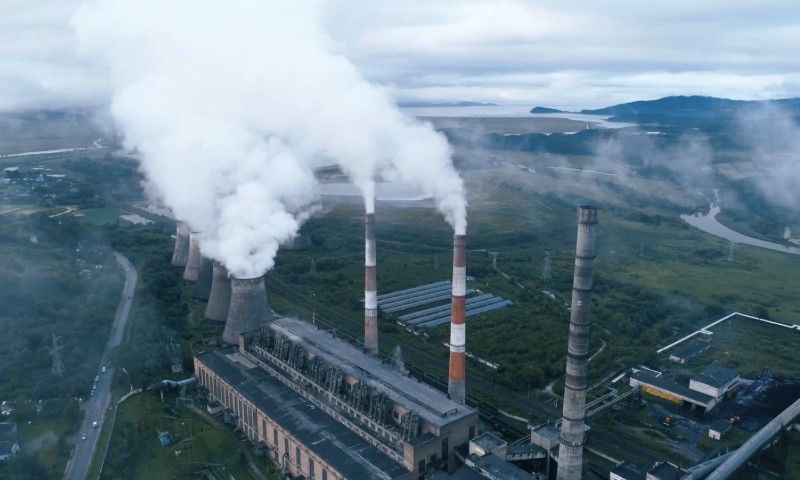
Fossil fuel power plants can adjust output on command. Dispatchability means grid operators can raise or lower production to meet minute-by-minute demand swings. Natural gas plants ramp particularly fast.
The Energy Institute reports ongoing efficiency improvements across fossil generation, with modern combined-cycle gas turbines exceeding 55% thermal efficiency.
Practical effects:
- Peak demand during heat waves and cold snaps depends heavily on dispatchable plants.
- Fast-ramping gas units often stabilize grids with growing shares of wind and solar.
Massive Existing Infrastructure
More than a century of investment built pipelines, refineries, ports, storage terminals, tankers, and gas distribution networks.
Trained workforces, mature markets, and standardized safety rules form a global fossil energy ecosystem. Short-term energy costs often stay lower because most of the system already exists.
Industrial Development And Economic Output
Fossil fuels historically powered industrialization because they deliver large quantities of energy on demand. Regions expanding manufacturing capacity often rely on fossil generation to stabilize supply.
The Tracking SDG7 Energy Progress Report 2025 notes that almost 92% of the global population has basic access to electricity, while hundreds of millions still do not. Countries racing to electrify often rely on energy sources that are available, affordable, and scalable in the near term, which still includes fossil fuels.
Feedstocks For Modern Materials
Oil and natural gas also serve as feedstocks for plastics, fertilizers, solvents, synthetic fibers, and industrial chemicals. The IEA reports that petrochemical demand accounts for a large share of global oil demand growth.
Even aggressive decarbonization pathways still project ongoing fossil inputs for materials until circular systems and alternative feedstocks reach full scale.
The Main Cons Of Fossil Fuels
View this post on Instagram
The main downsides of fossil fuels surface through rising climate risk, measurable public health harm, and environmental damage that extends from extraction sites to the air people breathe.
Greenhouse Gas Emissions And Climate Risk
Burning fossil fuels releases CO2. Production and transport systems leak methane. The climate impact is well quantified across major scientific bodies:
- The Global Carbon Project reports fossil CO2 emissions remain at record levels.
- The IEA reports energy-related CO2 emissions reached 37.8 Gt in 2024.
- UNEP reports total global greenhouse gas emissions hit 57.1 GtCO2e in 2023.
- The Energy Institute reports that fossil fuels still represent 81.5% of primary energy in 2023.
Methane amplifies near-term warming. The IEA’s Global Methane Tracker 2025 states that methane accounts for around 30% of the global temperature rise since the Industrial Revolution.
The energy sector contributes more than 35% of methane emissions from human activity. Methane leakage turns fossil systems into short-term climate accelerators.
Health Impacts From Air Pollution
Combustion releases fine particles, nitrogen oxides, sulfur dioxide, and other harmful pollutants. Outdoor air pollution is linked directly to premature mortality. Household air pollution remains severe where people rely on polluting fuels indoors.
The World Health Organization reports that household air pollution caused about 2.9 million deaths in 2021. Combined indoor and outdoor air pollution contributes to 6.7 million premature deaths annually.
European Environment Agency data show that PM2.5-related premature deaths declined in the EU following air quality improvements, proving health outcomes improve when pollution falls.
Public health costs show up in hospital admissions, chronic respiratory disease, cardiovascular disease, lost productivity, and premature mortality.
Environmental Damage Across The Supply Chain
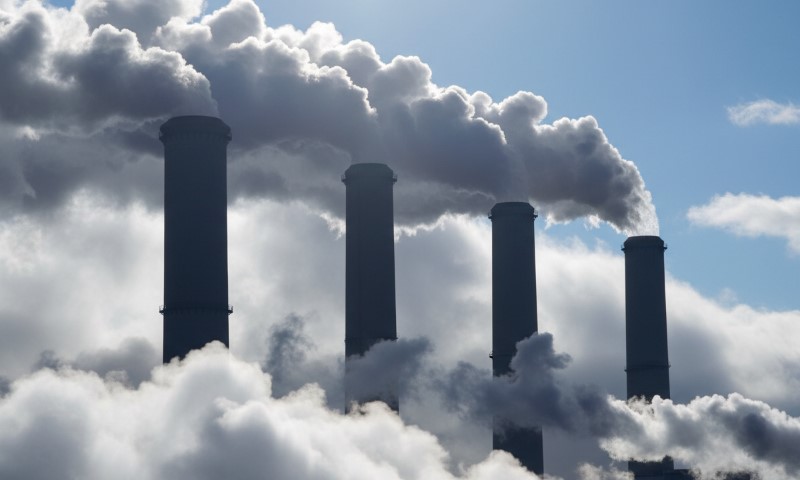
Fossil fuels affect ecosystems far beyond combustion:
- Mining and drilling disturb land and biodiversity.
- Spills and runoff contaminate water systems.
- Transport accidents release oil into marine environments.
- Methane leaks occur across production and distribution networks.
The IPCC AR6 Working Group III identifies fugitive methane from fossil operations as a major emissions source.
Volatility And Geopolitical Risk
Fossil fuels trade on global markets. Prices react to wars, sanctions, shipping disruptions, and cartel decisions. The IEA’s Global Energy Review 2025 documents market dynamics that ripple across households and industry.
Consequences include:
- Sudden heating and fuel price spikes.
- Manufacturing cost shocks and layoffs.
- Emergency government subsidies and price controls.
Subsidies And Hidden Costs
The International Monetary Fund reports fossil fuel subsidies remain very large when direct support and indirect costs, such as health impacts and climate damages are included.
Many pollution costs never appear on electricity bills or fuel receipts, shifting the burden onto public health systems and future climate mitigation budgets.
Carbon Intensity Compared With Low-Carbon Electricity
Life-cycle emissions data illustrate the disadvantage clearly. The National Renewable Energy Laboratory reports median life-cycle greenhouse gas emissions around:
- 486 gCO2e per kWh for natural gas electricity
- 1001 gCO2e per kWh for coal electricity
Wind, solar, and nuclear report far lower values. IPCC AR6 Working Group III also documents rapid cost declines for clean technologies across solar PV, wind, and battery storage, weakening the argument that fossil fuels remain the only affordable option.
Practical Comparison Table
| Fuel | Where It Is Commonly Used | Key Operational Strengths | Key Downsides | Typical Life-Cycle GHG Profile |
| Coal | Power generation, steelmaking, industrial heat | Reliable baseload supply, regional abundance | Highest CO2 per kWh, heavy air pollution, mining impacts | Median around 1001 gCO2e/kWh |
| Oil | Transport fuels, petrochemical feedstocks, backup power | Very high energy density, easy storage | CO2 emissions, spill risk, price volatility | Higher than gas, lower than coal |
| Natural Gas | Power generation, heating, fertilizer, industry | Dispatchable output, fast ramping | Methane leakage risk, still high CO2 | Median around 486 gCO2e/kWh |
Where The Pros Still Matter Most

Some settings still depend heavily on fossil fuels because reliability, energy density, and on-demand availability remain hard to replace at full scale.
Critical Reliability Settings
Hospitals, data centers, and emergency services often prioritize reliability above all else. Backup diesel generators remain common even in grids with growing renewable penetration.
High-Heat Industry And Hard-To-Electrify Transport
Sectors that need very high-temperature process heat or dense fuels face slower decarbonization. IPCC AR6 Working Group III details ongoing challenges in heavy transport and industrial energy transformation.
Energy Access And Affordability Pressures
The Energy Progress Report 2025 reports that more than 666 million people still lack basic electricity access.
Billions rely on polluting cooking fuels, directly linking fossil fuel use to household health harm. Policymakers sometimes accept near-term fossil solutions while planning cleaner long-term systems.
Where The Cons Drive Policy Decisions
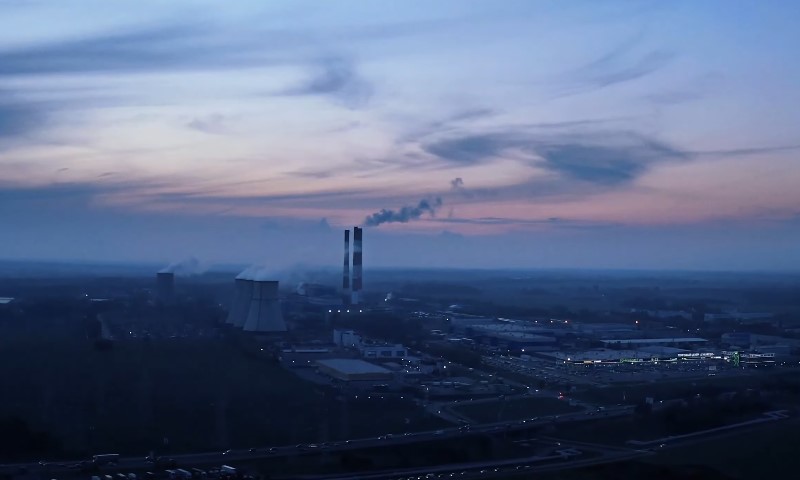
Policy debates tend to harden around fossil fuels once rising health costs, climate targets, and financial risk begin to reshape how governments, cities, and utilities set long-term energy rules.
Urban Air Quality And Public Health
Dense cities experience measurable health improvements when pollution falls. WHO and regional agencies consistently link fossil combustion to respiratory and cardiovascular disease burdens.
Climate Targets And Financial Risk
UNEP emissions gap reporting and IEA CO2 trend data show rising policy pressure on carbon-intensive assets. Regulatory risk and stranded asset risk increase as climate commitments tighten.
Methane Control As A Near-Term Lever
Methane mitigation offers rapid climate benefits. The IEA emphasizes large abatement potential within existing fossil infrastructure through leak detection, equipment upgrades, and better operational standards.
Evaluation Framework
Sound fossil fuel decisions depend on use-case analysis:
- Reliability needs determine whether dispatchable generation remains necessary.
- Clean substitute availability depends on grid infrastructure, storage, and transmission capacity.
- Local air pollution and global climate impacts shape public costs.
- Long-lived fossil infrastructure can create transition lock-in and higher future mitigation expenses.
Fossil fuels offer operational strengths rooted in a system built around them. Their disadvantages accumulate through climate warming, public-health burdens, environmental damage, and financial risk exposure. Both sides operate at full scale in current energy markets.