
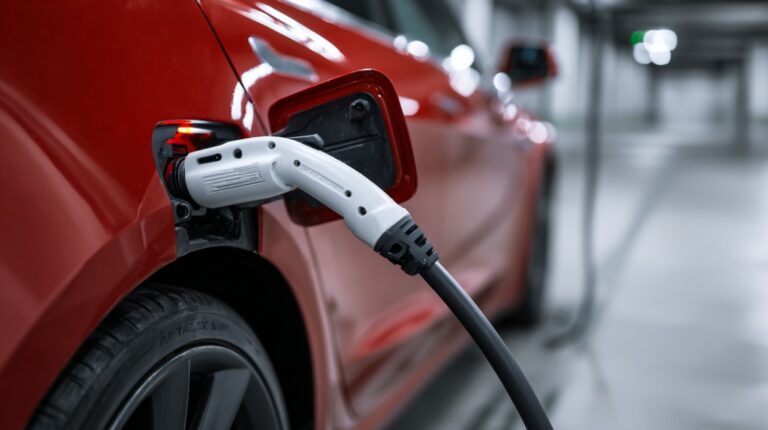
Electric vehicle batteries are advanced lithium-ion energy storage systems that power modern transportation. Growing consumer interest in electric vehicles has increased attention on battery longevity and long-term sustainability.
Many potential buyers want clear expectations about how long an electric car battery will last and what happens after a decade of use.
A common misconception claims that an EV battery dies after 10 years. Naturally, reality is more nuanced. Capacity declines gradually, not suddenly, and most batteries continue operating effectively long after the ten-year mark.
Performance changes over time, but complete failure at a fixed age is not typical.
How Long Do Electric Car Batteries Last in Vehicles?
In most cases, electric car batteries retain about 70% to 90% of their original capacity after 10 years, leading to a roughly 10% to 20% decrease in driving range rather than total failure.
The reason is that most EV batteries are designed to last at least 10 to 20 years under typical driving conditions. Engineers account for daily commuting, highway travel, seasonal temperature swings, and regular charging habits when designing electric car battery systems.
- Active thermal management systems that heat or cool the battery to maintain an optimal temperature range
- Protective capacity buffers that prevent full 0% to 100% usage of total chemical capacity
- Conservative charging limits are programmed into the software to reduce stress at very high states of charge
Battery warranties provide a practical benchmark for expected durability.
- 8 to 10 years of protection
- 100,000 miles of coverage in many markets
- Up to 150,000 miles in certain regions and models
- Capacity retention guarantees are often around 70% during the warranty period
Warranty thresholds do not imply sudden failure after expiration. Real-world fleet data indicates that many vehicles retain a large share of original capacity well past those limits.
High mileage examples with 150,000 to 200,000 miles frequently show a gradual capacity decline rather than an abrupt loss of function.
Degradation occurs due to several measurable factors.
- Temperature exposure, especially sustained high heat
- Repeated charge and discharge cycles
- Calendar aging, which causes capacity loss over time, even with light use
High temperatures accelerate chemical reactions inside cells. Frequent fast charging exposes the battery to higher current levels, which can increase internal stress.
Consistently operating at a very high or very low state of charge also contributes to faster wear. Moderate charging habits and climate-controlled storage conditions help extend usable life.
What Happens Inside the Electric Car Battery Over Time?
Capacity loss in lithium-ion cells results from gradual chemical and structural changes. Lithium ions move between electrodes during charging and discharging.
Over time, small amounts of lithium become trapped in stable compounds created by side reactions. That trapped lithium can no longer participate in energy transfer.
Internal resistance increases as materials age. Higher resistance reduces efficiency and slightly limits how quickly energy can move in and out of the cell.
Real-world usage often produces average degradation rates of about 1.5% to 2% per year, though actual outcomes depend on climate, driving style, and charging frequency.
Long-term effects become visible in the vehicle range.
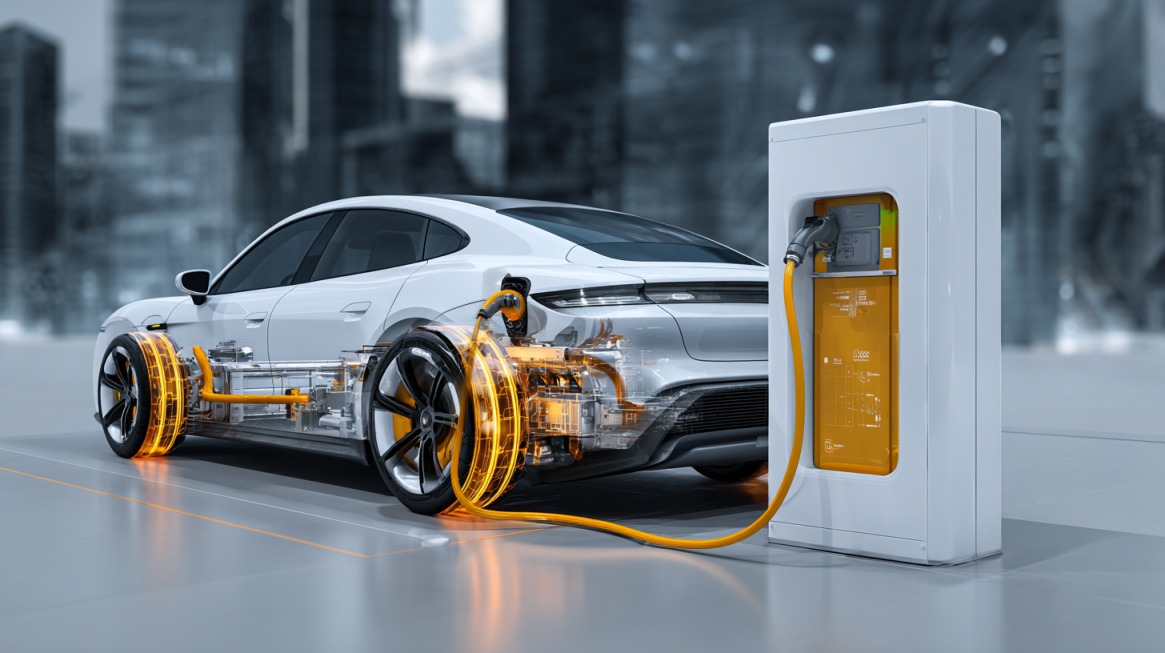
- An original 400-kilometer range may decline to around 350 kilometers after several years
- After extended use, the range may approach 300 kilometers as the capacity falls closer to 75%
Drivers may also notice slower charge acceptance at higher states of charge. Software gradually reduces charging speed near the top of the battery’s range to limit stress on aging cells.
Battery Management Systems, known as BMS, play a central role in protecting pack health.
Careful monitoring reduces excessive strain on weaker cells and lowers the risk of premature failure. Controlled operation helps ensure that degradation remains gradual rather than sudden.
@trevorlong Replying to @onikos70 ♬ original sound – Trevor Long
When a Battery Is No Longer Fit for a Vehicle
Automotive end of life is typically defined when capacity drops to approximately 70% to 80% of the original value. Many vehicles reach that range around or after 10 years of regular driving, though actual timing varies by usage conditions.
Daily commuting needs may still be met comfortably. Longer road trips, however, can become less convenient.
Manufacturer standards for useful propulsion life focus on customer expectations for range and reliability.
Significant energy storage remains inside the pack even at 70% capacity. Automotive retirement does not indicate total failure. Performance simply no longer aligns with new vehicle benchmarks for range and charging speed.
Remaining capacity creates opportunities for additional use in less demanding environments.
Second Life Uses Repurposing
Retired EV batteries typically retain substantial storage capability. Applications with lower power demands can use that remaining capacity efficiently for many additional years.
Home energy systems represent one common use case.
Commercial facilities may install retired packs as stationary storage units to support critical systems. Backup power installations in offices, data centers, and industrial sites benefit from cost-effective storage solutions with moderate performance requirements.
Electrical grid operators also deploy repurposed batteries for load balancing.
Second-life systems may extend operational usefulness for up to another 10 years, depending on initial condition and usage intensity. Evaluation before redeployment relies on detailed assessments.
Results determine suitability for stationary applications and expected remaining service life.
Recycling EV Batteries
Eventually, an electric car battery becomes too degraded for second-life deployment. Recycling then becomes the final stage in its life cycle. The objective of recycling focuses on recovering valuable materials that can reenter manufacturing supply chains.
The process begins with safe disassembly of the battery pack. High voltage components are neutralized, and modules are separated.
Mechanical shredding reduces cells and structural parts into smaller fragments.
View this post on Instagram
- Metals
- Plastics
Chemical processing methods then extract and purify critical elements for reuse. Modern recycling systems increasingly achieve recovery rates up to 95% for certain materials.
High recovery rates reduce demand for newly mined resources and lower overall environmental impact.
Proper recycling also prevents hazardous substances from entering landfills and supports a circular supply chain for future electric car battery production.
Summary
After about 10 years, most EV batteries are not dead. Reduced capacity limits vehicle range, yet significant stored energy remains available. Many packs continue operating in vehicles for well over a decade.
When automotive performance declines to around 70% to 80% of original capacity, second-life applications offer continued value for up to another 10 years. Recycling processes recover up to 95% of key materials once usable life is fully exhausted.
Effective end-of-life management plays a crucial role in sustainability as electric vehicle adoption continues to grow. Careful design, responsible reuse, and advanced recycling together support a long and productive lifespan for EV batteries.