
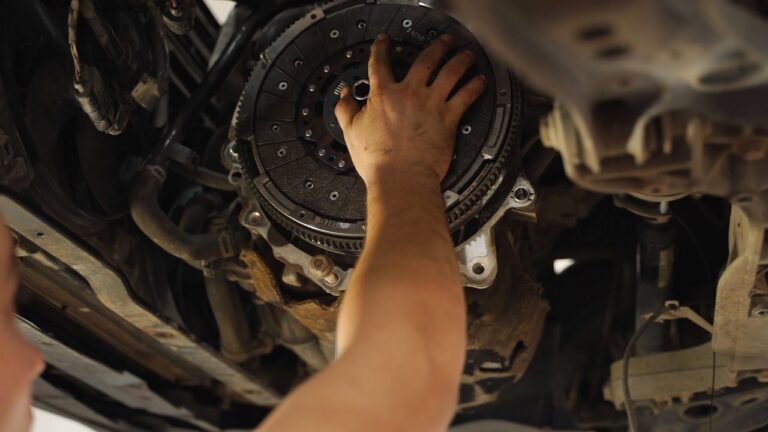
Recycled auto parts are components removed from scrap, damaged, or end of life vehicles, then cleaned, inspected, and resold for continued use.
Growth in repair costs, rising insurance premiums, and supply chain disruptions have increased attention on reused components.
Sustainability goals and insurer acceptance have also contributed to wider use in collision and mechanical repairs.
Many vehicle owners still question safety and legality, even though modern recycling operations follow structured inspection procedures and accreditation standards.
Key concerns focus on safety, legal compliance, and overall value.
Clear evaluation of these factors helps drivers make informed repair decisions.
Safety of Recycled Auto Parts
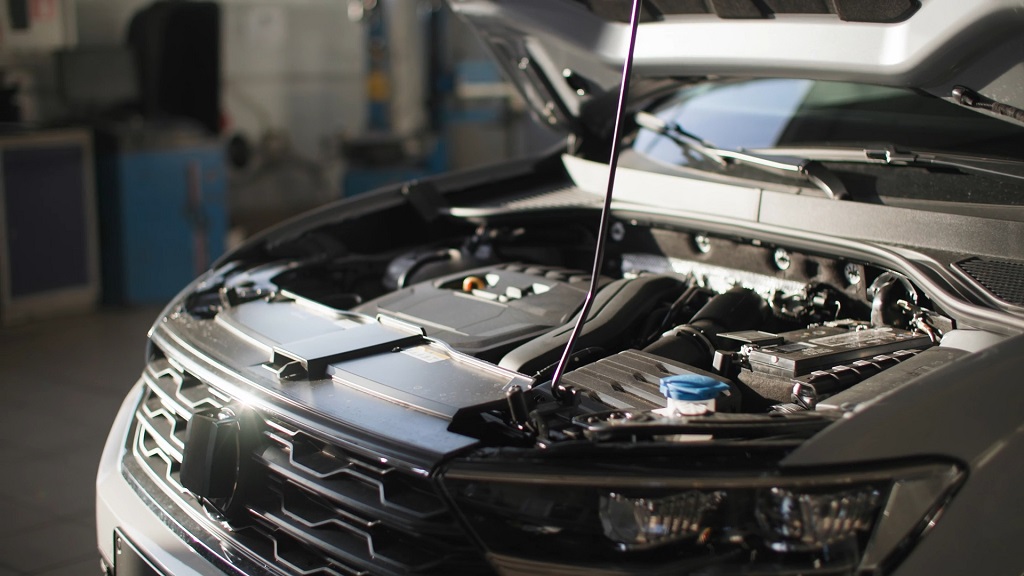
Safety concerns often arise when vehicle owners consider reused components. Confidence depends on inspection quality, part history, and supplier credibility.
Properly inspected recycled parts can be safe and reliable when sourced through reputable operations.
Non critical components are widely reused in collision repair without compromising vehicle safety.
Exterior items typically retain structural integrity and functionality after careful removal and inspection. Common examples include:
- Bumpers and bumper reinforcements that remain structurally sound after minor impacts
- Side mirrors with intact housings and functional electronic adjustments
- Headlights and tail lamps free of cracks or moisture intrusion
- Body panels and trim pieces that meet factory alignment standards
Mechanical parts require closer evaluation but can also perform reliably under the right conditions. Prior use, mileage documentation, and testing records are essential factors.
Engines, transmissions, alternators, and suspension assemblies often originate from low mileage vehicles taken out of service due to collision damage rather than mechanical failure.
Inspection procedures for mechanical components may include compression testing for engines, fluid analysis for transmissions, and visual wear checks for suspension parts.
Reliable performance depends heavily on condition grading and documented testing steps.
Quality Assurance and Standards
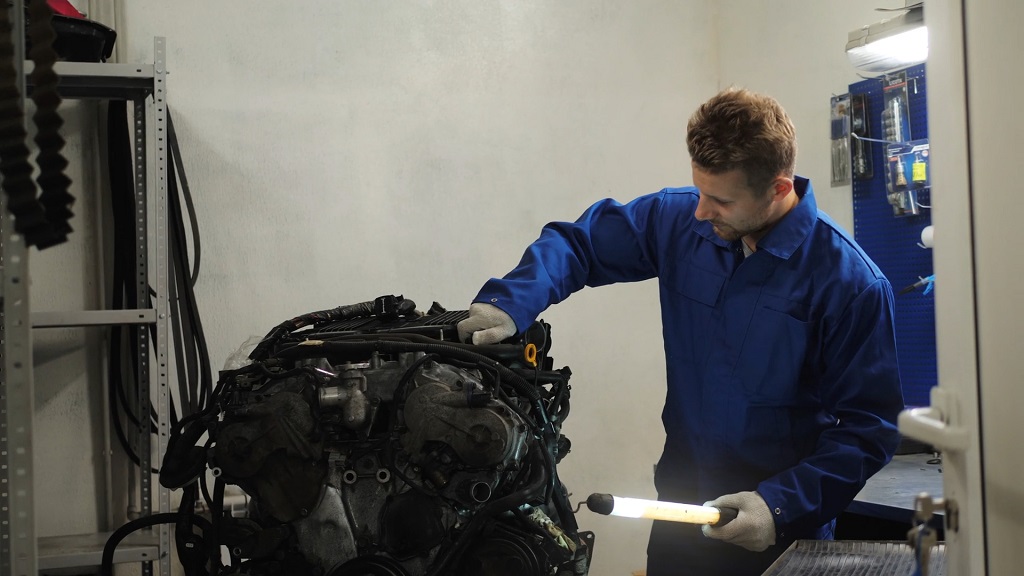
Professional recycling operations operate under structured inspection systems designed to protect buyers.
Accredited recyclers follow traceability protocols that document:
- Vehicle identification numbers
- Mileage
- Removal dates
Members of organizations such as the Vehicle Recyclers Association adhere to grading scales that classify parts based on cosmetic and functional condition.
Standard quality controls typically involve:
- Inventory tracking systems that link each part to its source vehicle
- Original equipment manufacturer part numbers to confirm compatibility
- Visual and functional inspections prior to resale
- Clear condition grading that informs buyers about wear or cosmetic flaws
Authentication markers play a critical role in reducing counterfeit risk.
Original equipment manufacturer labels and casting numbers allow repair facilities to verify proper fitment. Transparency in sourcing builds accountability across the supply chain.
Warranty coverage further strengthens buyer protection.
Certified recycled programs commonly provide:
- 12 month protection on body and exterior components
- Minimum three month coverage on mechanical parts
Documented warranty terms and seller accreditation increase confidence and offer recourse in case of defects.
Legal and Regulatory Considerations
Legal compliance plays a central role in vehicle repairs involving recycled parts.
Most states permit the use of recycled components as long as safety standards are satisfied and parts meet applicable regulations.
Collision repair facilities routinely install recycled items during insurance-approved repairs, particularly for non-critical components.
Working with a certified collision repair shop ensures proper installation, regulatory compliance, and adherence to manufacturer repair standards.
Insurance guidelines often outline acceptable categories for reuse. Approved applications commonly include exterior panels, lighting assemblies, and certain mechanical systems that meet inspection criteria.
Real World Reliability
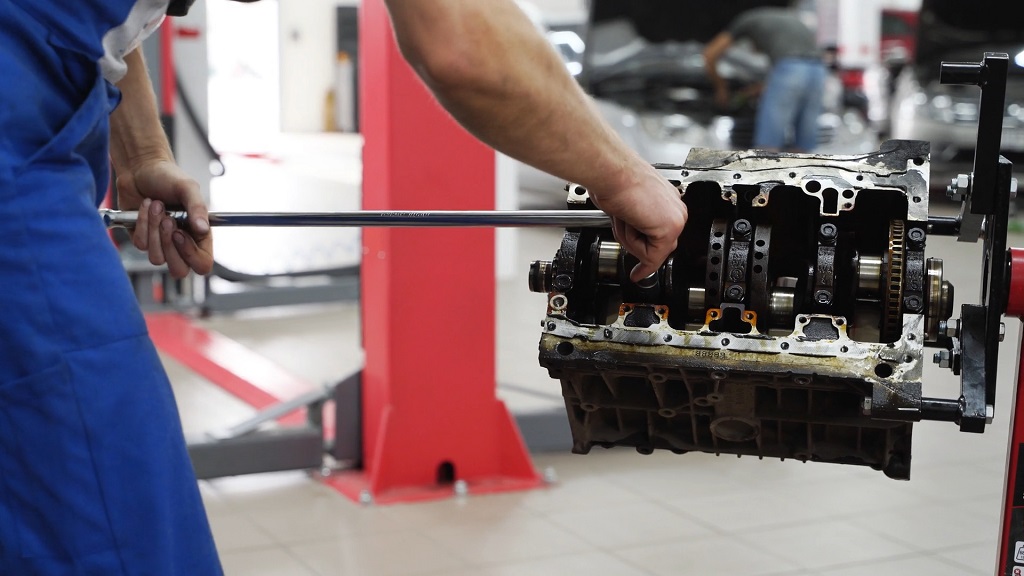
Performance in daily driving conditions often determines long-term trust in recycled parts. Many original equipment manufacturer components available through recyclers come from low-mileage vehicles involved in accidents unrelated to component failure.
Structural damage to one section of a vehicle does not automatically affect unrelated systems.
Factory engineered parts are designed to meet precise specifications for fit, material quality, and performance.
Recycled original equipment manufacturer components retain those specifications, which can result in better alignment and fewer installation adjustments compared to some lower-cost aftermarket alternatives.
Responsible dismantling operations and documented inspection protocols significantly reduce uncertainty. Consistent quality control leads to repeatable outcomes in repair environments.
Compliance and Restrictions
Certain safety-related or emissions-regulated components may face restrictions depending on jurisdiction. Airbags are frequently restricted due to deployment reliability concerns.
Some emissions control parts may also be limited in order to maintain environmental compliance.
Regulatory oversight typically focuses on:
- Airbag modules and related crash sensors
- Specific emissions system components subject to federal or state rules
- Structural elements in severe impact areas when damage history is unclear
Regulations aim to maintain road safety while supporting responsible reuse practices.
Consumer Protection Considerations
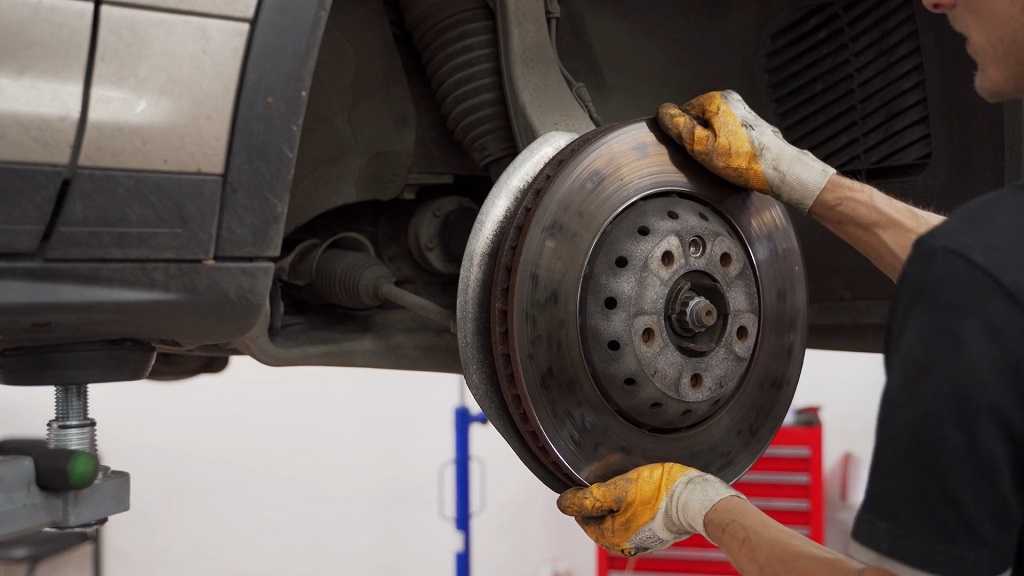
Consumer protection improves when purchases occur through certified or regulated sellers. Documentation supports accountability and reduces disputes.
Buyers should request part identification numbers, condition grading details, and warranty terms prior to installation.
Clear traceability records and written warranty agreements provide legal recourse in case of malfunction.
Transparent transactions create a safer purchasing environment for both repair facilities and individual vehicle owners.
Cost and Value
Financial considerations often motivate interest in recycled auto parts.
Significant price differences compared to new components can make repairs more accessible.
Direct Savings
Recycled auto parts can cost up to 70% less than new equivalents. In practical terms, savings may include:
- Tailgates priced up to 75% lower than new original equipment manufacturer units
- Headlights available at more than 50% less than new replacements
Actual pricing varies based on vehicle model, regional demand, and part availability.
Lower upfront costs reduce overall repair bills and may prevent insurance claims for minor damage.
Affordability has made recycled components attractive to both collision repair facilities and individual vehicle owners seeking budget-conscious solutions.
Long Term Value
Older or discontinued vehicles often benefit the most. New replacement parts may be expensive or difficult to obtain through dealerships.
Recycled original equipment manufacturer components maintain factory fitment and compatibility, reducing labor time and installation complications.
Extended vehicle life at a lower repair cost supports practical ownership decisions. Preserving factory specifications also helps maintain resale value and mechanical consistency.
Comparison With Alternatives
Repair decisions typically involve three main options:
New original equipment manufacturer parts with guaranteed unused condition and the highest price
Aftermarket parts that cost less than new manufacturer parts but may vary in material quality and fit
Recycled original equipment manufacturer parts offering substantial savings while retaining factory engineering standards
Balanced evaluation of cost, condition, and intended vehicle use helps determine the most suitable option.
Counterpoints and Common Concerns
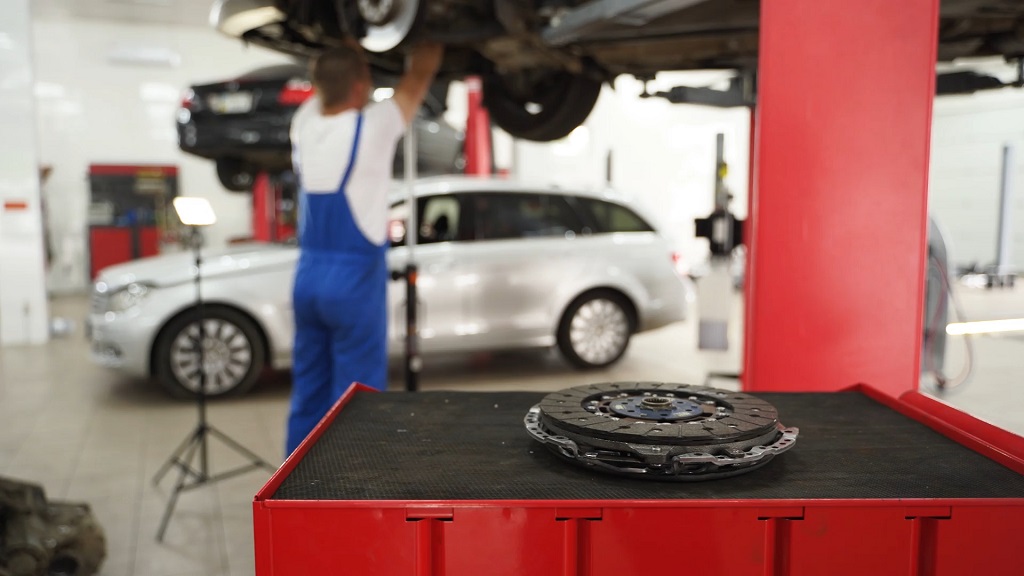
Skepticism persists despite documented inspection standards and warranty programs. Addressing common concerns helps clarify realistic expectations.
Myths and Misconceptions
Common belief suggests all recycled parts are unreliable. In practice, many components undergo inspection, grading, and certification prior to resale. Structured quality controls reduce variability and provide measurable condition standards.
Another misconception claims no warranty protection exists. Certified programs frequently provide multi month warranty coverage on both mechanical and body components, offering reassurance similar to certain new part guarantees.
Situations Where Recycled Parts May Not Be Ideal
Certain scenarios justify careful reconsideration. High performance applications or highly safety critical components may warrant new replacements to meet strict performance expectations.
Parts lacking clear documentation, inspection records, or seller accreditation may present elevated risk. Careful supplier selection remains essential for consistent and predictable results.
Summary
Recycled auto parts can be safe when sourced through certified and properly inspected channels.
Legal use is widely permitted, though some part-specific restrictions may apply depending on jurisdiction.
Significant cost savings, often up to 70%, make them an attractive option, especially for older vehicles. Environmental advantages further strengthen the case by reducing waste and material consumption.