

Many households report feeling more uncomfortable in summer than in winter.
Rising temperatures and longer heat waves increase the need for effective cooling methods that do not rely on an air conditioner.
Electricity demand spikes during hot afternoons as air conditioners run at full capacity, placing a strain on the power grid and raising utility bills. Reducing dependence on mechanical cooling lowers energy costs and cuts peak electricity use.
For households that still need occasional mechanical cooling during extreme heat, learning how to build a home backup system that runs AC during outages and peak demand can provide extra reliability without depending entirely on the grid.
- First, prevent heat from entering the home.
- Second, remove heat that builds up indoors.
- Third, reduce the heat generated inside the house.
Combining these methods creates a noticeable difference in comfort during hot weather.
Use Natural Ventilation
Natural ventilation uses outdoor air and pressure differences to cool indoor spaces. Careful timing and airflow direction make a noticeable difference in comfort.
Proper use of windows, fans, and building layout allows accumulated heat to escape and cooler air to take its place.
Night Time and Cool Air Ventilation

Night flush cooling works best when outdoor temperatures drop significantly after sunset. Opening windows late in the evening and keeping them open through the early morning hours allows cooler air to replace warm indoor air.
Indoor surfaces such as walls and floors release stored heat during this period, which helps lower the overall room temperature before sunrise.
- Open multiple windows to increase total airflow rather than relying on a single opening.
- Focus on bedrooms and upper floors first since warm air rises and gathers near ceilings.
- Create a clear pathway for air to move across rooms instead of stopping at closed interior doors.
Closing windows, blinds, and curtains before outdoor temperatures climb helps trap the cooler air inside. Blocking sunlight early in the day prevents rapid reheating.
Upper floors tend to remain warmer than lower levels, so releasing trapped heat upstairs during early morning hours improves comfort throughout the house.
Cross Ventilation and Airflow Management
Cross ventilation increases cooling power by moving air steadily through the home.
Opening windows on opposite sides creates pressure differences that pull cooler air in and push warm air out. Even a light outdoor breeze can support this process when openings align properly.
Airflow improves when openings vary in height. Since hot air rises, higher windows allow accumulated heat to escape more easily. Lower openings pull in cooler replacement air. Window fans can intensify this natural movement.
Basements often remain cooler during summer due to reduced sun exposure and contact with cooler soil.
Directing air upward from lower levels helps moderate temperatures on main floors and upstairs rooms. Stairwells can act as natural channels that move cooler air upward when airflow is encouraged.
Block and Reduce Heat Gain
Preventing heat from entering the home reduces the need to remove it later.
Solar radiation through windows, heat absorbed by roofs, and warm exterior surfaces all contribute to rising indoor temperatures. Stopping heat at its source creates a strong foundation for comfort.
Window Treatments
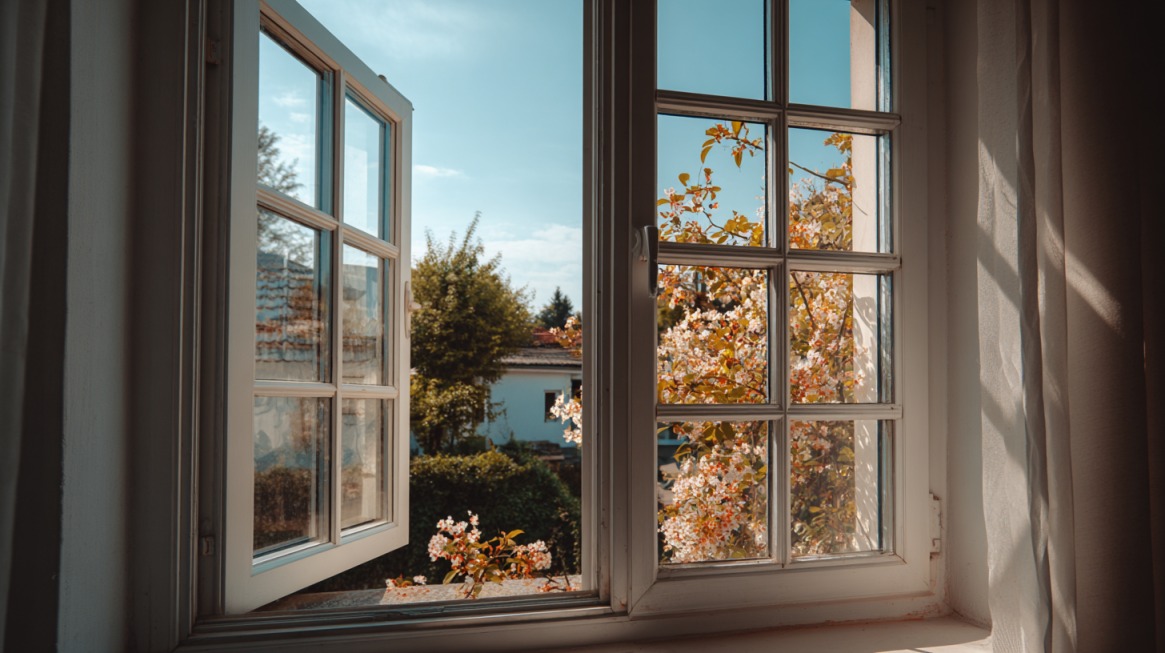
Windows account for a large share of unwanted summer heat. Sunlight passing through glass converts to heat once inside, raising indoor temperatures quickly.
Keeping blinds, curtains, and shades closed during peak afternoon hours reduces this effect, especially on south and west-facing windows that receive intense sunlight.
Greater protection comes from heavier materials and reflective surfaces.
- Blackout curtains that block most incoming light.
- Thermal drapes with insulating layers that slow heat transfer.
- Reflective blinds that deflect sunlight away from the glass.
Exterior shading blocks sunlight before it reaches the window glass. Awnings, shutters, and exterior shades reduce solar heat gain more effectively than interior coverings because heat never enters the room in the first place.
Outdoor Shade and Solar Protection
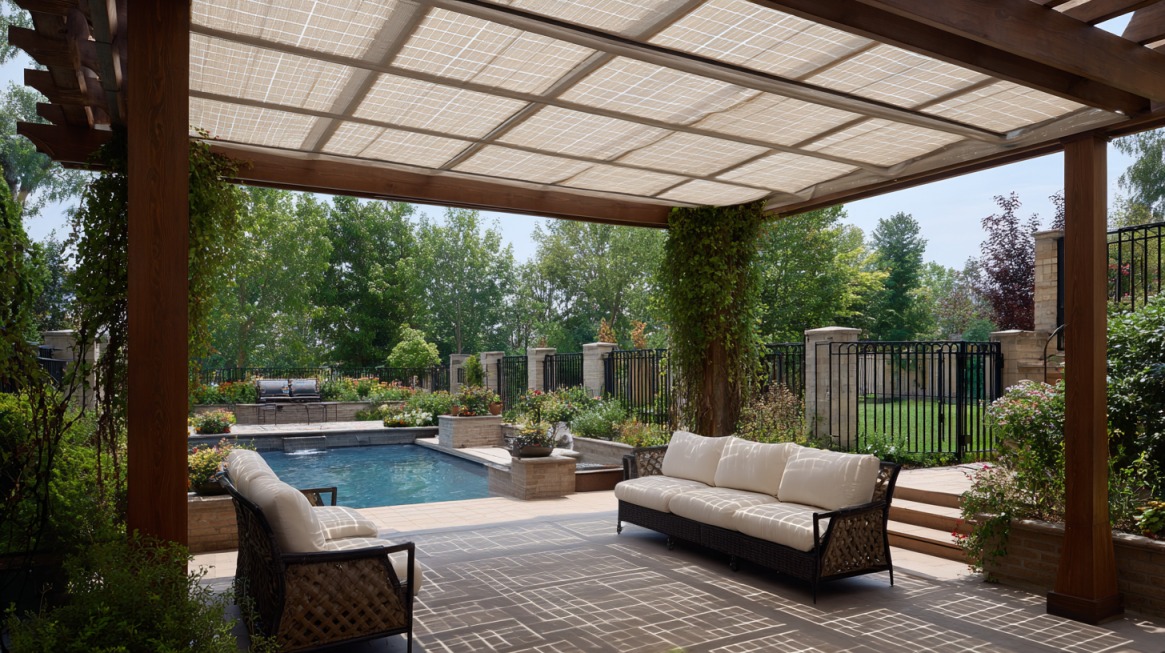
Outdoor shading lowers wall and window temperatures, which reduces indoor heat buildup. Awnings and exterior shades create a physical barrier against direct solar radiation.
Deciduous trees placed on the south and west sides of a home provide seasonal benefits. Leaves create shade during summer, while bare branches allow sunlight inside during winter.
Reducing direct sun contact with exterior surfaces lowers the amount of heat transferred into walls and rooms.
Roof and Exterior Improvements
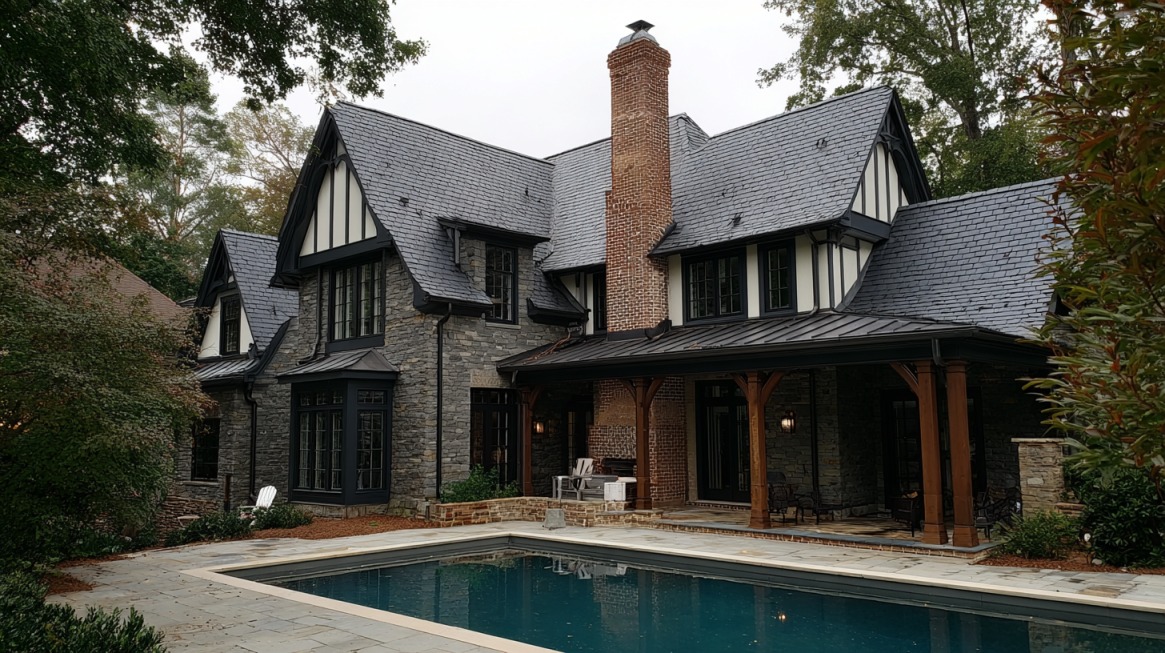
Roofs absorb intense sunlight throughout the day. Attic temperatures can rise far above outdoor air temperature during summer afternoons. Heat stored in roofing materials radiates downward into living areas, especially in homes with limited insulation.
Light colored or reflective roofing materials deflect more sunlight and absorb less heat. Improving attic performance often requires more than one measure.
Improving roof and attic conditions reduces temperature spikes on upper floors and supports other cooling efforts.
Optimize Fans and Airflow
Fans enhance comfort by increasing air movement across the skin. Air circulation also helps move heat out of enclosed spaces. Correct positioning and timing make fan use more effective.
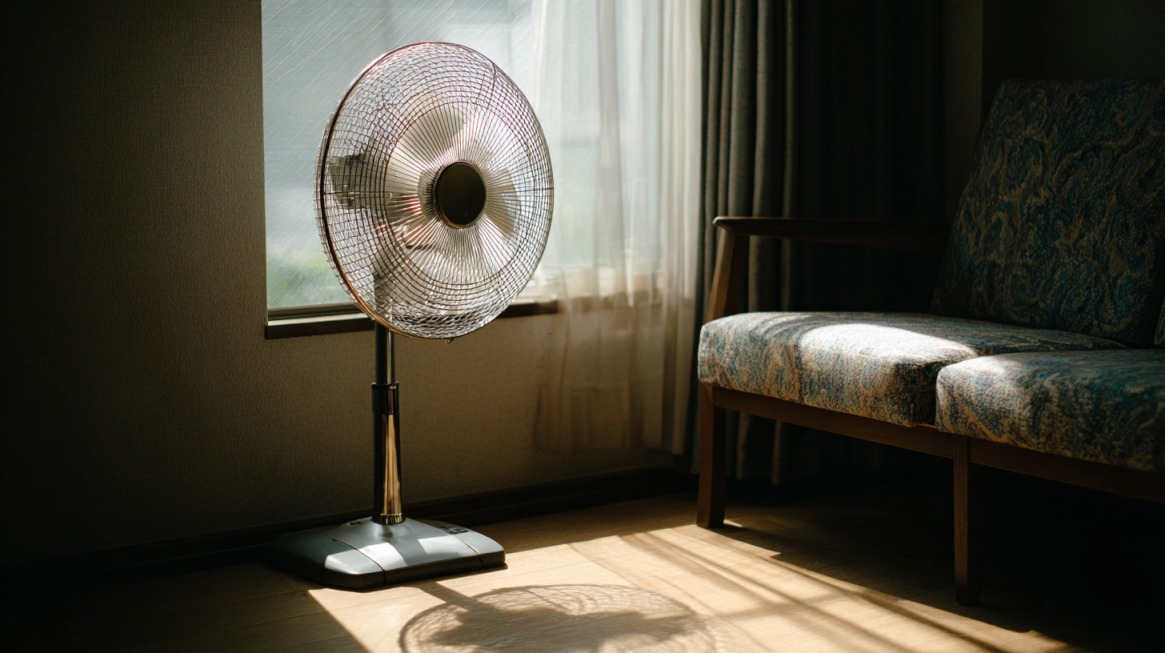
The Proper Fan Use
Fans do not lower the air temperature, yet they create a wind chill effect that helps the body release heat. Ceiling fans should rotate counterclockwise during summer so air flows downward and creates a cooling sensation.
Energy savings improve when fans operate only in occupied rooms.
- Turn fans off when leaving a room since they cool people rather than empty spaces.
- Adjust speed settings to match comfort needs rather than always using the highest setting.
- Combine fan use with open windows during cooler hours to improve ventilation.
Proper use supports comfort without adding significant electricity costs.
Enhanced Air Circulation
Box and window fans can strengthen natural ventilation patterns. Pulling cool air inside at night and pushing hot air outside during early evening hours supports indoor cooling.
Bathroom and kitchen exhaust fans remove hot, humid air after showers or cooking. Lower humidity levels improve perceived comfort and reduce lingering warmth.
DIY Cooling Boosts
Short-term cooling can be enhanced with simple methods that use evaporation. Placing a bowl of ice or frozen water bottles in front of a fan allows air to pass over cold surfaces, producing a temporary cooling effect.
Evaporative techniques work especially well in dry climates where moisture evaporates quickly. Hanging damp sheets in front of open windows can slightly cool incoming air as water evaporates. Results are modest yet noticeable during intense heat.
Reduce Internal Heat Sources
Limiting heat generated inside the home reduces strain on ventilation and shading efforts. Everyday activities such as cooking and laundry can raise indoor temperatures significantly.
Appliances and Cooking Heat
@aragusea Why food gets hotter after you take it off the heat. #learnontiktok #tiktokpartner ♬ original sound – aragusea
Ovens, stovetops, dryers, and dishwashers release large amounts of heat. Reducing appliance use during peak afternoon hours lowers the added warmth inside the home.
- Cook outdoors on a grill during hot days to keep kitchen temperatures lower.
- Run dishwashers and laundry machines at night when the outdoor air is cooler.
- Air-dry clothing instead of using a heat-producing dryer.
Reducing appliance heat lowers overall indoor temperature and improves comfort during heat waves.
Lighting and Electronics
Incandescent bulbs convert most of their energy into heat rather than light. Switching to LED lighting reduces electricity use and limits indoor heat gain.
Electronics also generate residual warmth even when not actively in use.
Lower internal heat generation supports other cooling efforts and keeps rooms more comfortable.
Improve Insulation and Sealing
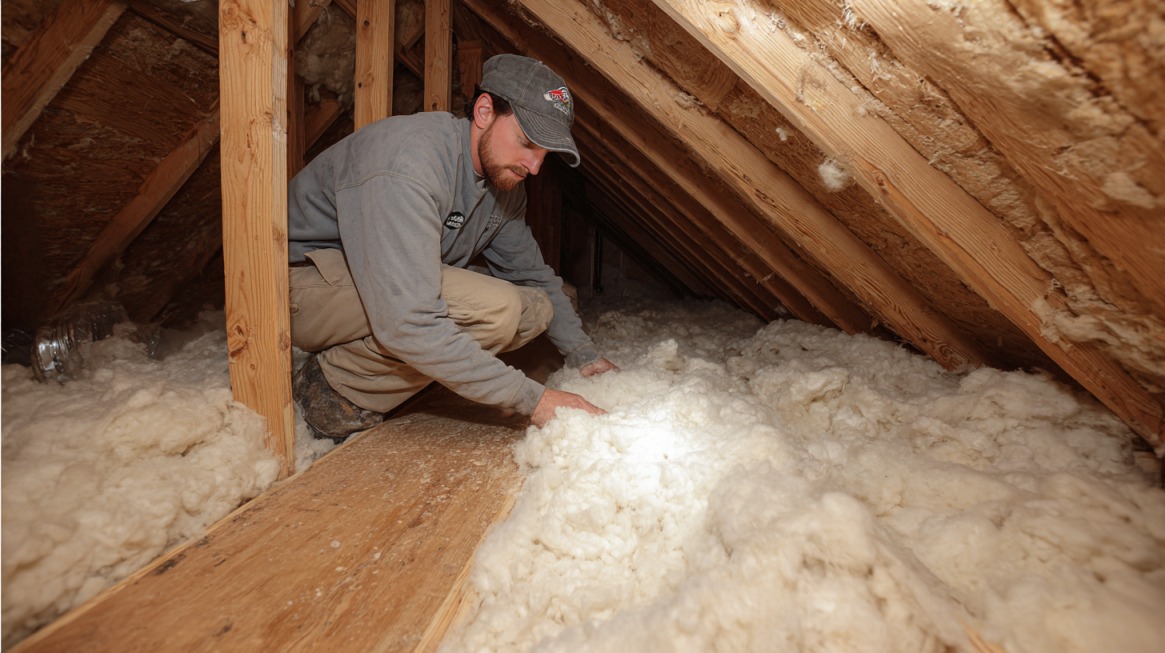
Strong insulation and tight air sealing help maintain cooler indoor conditions. Nighttime ventilation works best when cooler air remains inside during the following day.
Weatherization
Proper insulation slows heat transfer through walls and ceilings. Attic insulation plays a major role in summer comfort since heat collects near the roof.
Air sealing prevents warm outdoor air infiltration and reduces loss of cooler indoor air.
- Sealing gaps around attic hatches and recessed lighting.
- Adding insulation where existing material has settled or thinned.
- Checking for cracks around plumbing and wiring penetrations.
Well-insulated and sealed homes maintain lower indoor temperatures longer after nighttime cooling.
Windows and Doors
Gaps around windows and doors allow warm air to enter and cool air to escape. Applying weather stripping and caulk reduces these leaks.
- Seal cracks around window frames and door casings.
- Install door sweeps to block air movement under exterior doors.
- Ensure latches close tightly to maintain a firm seal.
Tightly sealed homes hold cooler air longer, increasing comfort during extended heat waves without relying on an air conditioner.
The Bottom Line
Keeping a house cool without an air conditioner requires a layered approach.
Ventilating at appropriate times removes accumulated heat. Blocking solar gain reduces temperature increases during the day. Using fans wisely improves personal comfort.
Limiting internal heat sources prevents unnecessary warming. Improving insulation and sealing strengthens all other efforts.
Combining multiple methods produces better results than relying on a single technique. Consistent application of these practices increases comfort during extreme heat and reduces long-term energy costs.