
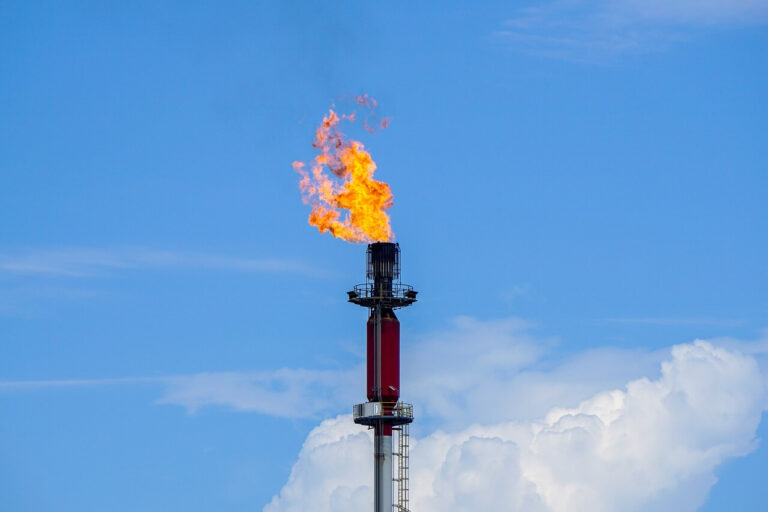
Flaring and venting matter more in 2026 because regulators now treat wasted gas as an operational, reporting, and emissions-control issue. For small oil and gas operators, a flare stack is no longer a minor field detail. It can trigger permit questions, methane reporting, royalty exposure, equipment reviews, and state enforcement.
Federal rules remain in motion, yet the direction is clear: routine gas waste is harder to defend, and poor records are becoming costly. EPA, BLM, and several producing states are pressing operators to prove why gas was flared or vented, how much was released, and what steps were taken to avoid a repeat.
EPA’s 2024 oil and gas methane standards created NSPS OOOOb for new, modified, and reconstructed sources and OOOOc emission guidelines for existing sources, while EPA’s 2026 reconsideration revised narrow technical parts of the rule rather than erasing the overall framework.
Flaring And Venting Are Similar On Paper, Yet Very Different In Risk
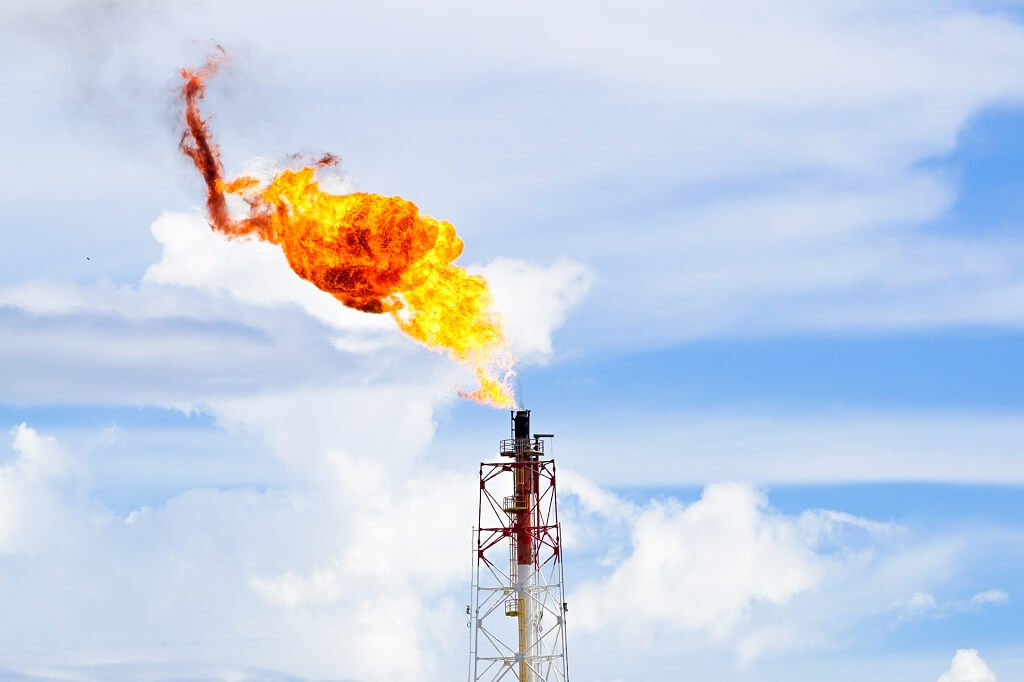
Flaring means burning natural gas, usually associated gas produced with oil, when it cannot be captured, sold, used on site, or safely handled. Venting means releasing gas directly to the atmosphere.
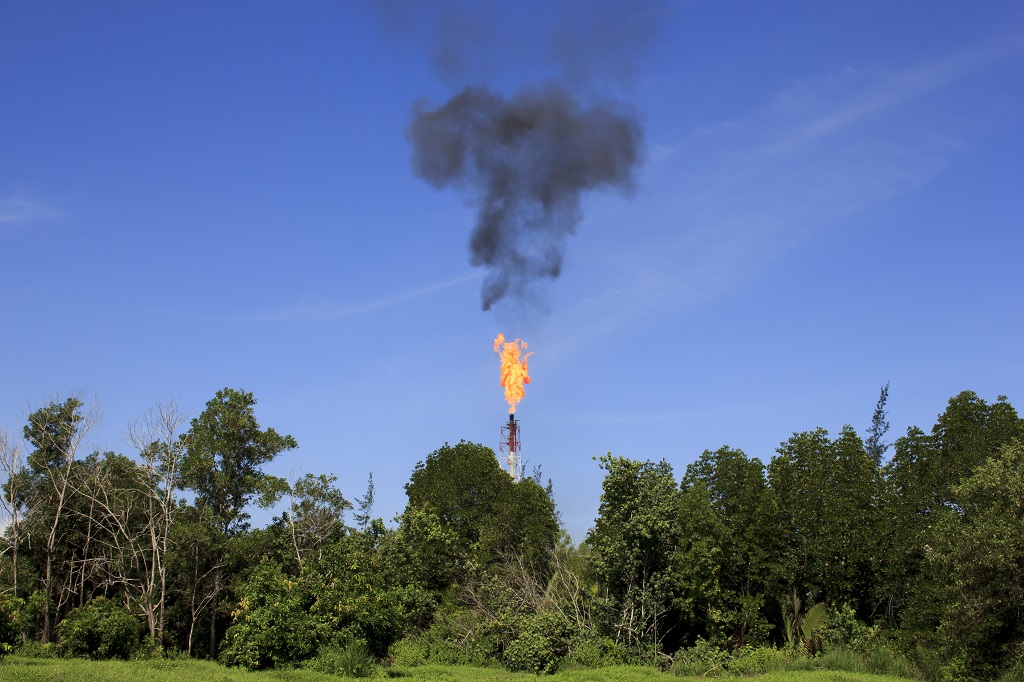
Venting carries higher climate risk because methane reaches the air unburned. Flaring converts much of the methane to carbon dioxide, yet poor combustion, unlit flares, overloaded systems, and weak monitoring can still allow methane and other pollutants to escape.
For small operators, regulators usually ask the same first question: was the release avoidable?
A defensible answer depends on records. A lease operator who can show a compressor failure, repair ticket, field photos, volume estimate, customer curtailment notice, and restart time sits in a stronger position than an operator relying on memory 3 months later.
The Federal Picture In 2026: Flexibility With More Paperwork
EPA’s biggest 2026 change concerns temporary flaring of associated gas. In April 2026, EPA finalized revisions allowing up to 72 hours for certain temporary flaring situations, adding a requirement that operators stop flaring once the event causing the flare has been resolved.
EPA also allowed flaring beyond 72 hours under limited exigent circumstances tied to access, safety, maintenance, or repair problems, along with added recordkeeping and reporting duties.
EPA also issued guidance before the May 7, 2026, phase-out deadline for routine associated-gas flaring at new oil wells. The agency said current federal rules allow continued flaring in limited circumstances after that date, partly in response to concerns from operators in the Williston and Permian basins.
Small operators should read that as guarded flexibility. A 72-hour allowance is not a standing permission slip. It is a compliance window that needs a cause, a timeline, and an end point.
What EPA Changes Mean In The Field
| 2026 Issue | Practical Meaning For Small Operators |
| Temporary flaring allowance | Track start time, cause, repair steps, and stop time. |
| Exigent circumstances | Keep proof of access limits, weather, safety issue, parts delay, or repair constraint. |
| Net heating value monitoring changes | Check whether flare or enclosed combustion device testing deadlines changed for your source category. |
| Existing source rules | Watch state plans because OOOOc depends on state implementation. |
| Small entity guidance | Use EPA’s small business guide as a checklist, then compare it with state rules. |
BLM Leases Add A Royalty And Waste Angle
Operators on federal or Indian leases face another layer through the Bureau of Land Management’s Waste Prevention Rule. BLM finalized the rule in 2024 to reduce waste from venting, flaring, and leaks, and to make sure the public and Indian mineral owners are compensated through royalty payments when gas is wasted.
BLM’s 2026 posture has been mixed because of litigation and deadline changes. The agency has delayed enforcement of certain compliance deadlines, including some flare measurement and sampling deadlines for flares flowing between 1,050 and 6,000 Mcf per month. Higher-flow flare deadlines remain more sensitive, and BLM notes that leak repair obligations remain in effect.
For a small producer, the lease map matters. A marginal federal lease, a state lease, and a private lease may carry different reporting paths even when field equipment looks the same.
Texas readers may also find G2 Petroleum Texas relevant as a company profile tied to royalty, mineral, and non-operated energy interests, areas where lease terms and gas-waste rules can directly affect value.
State Rules May Bite Before Federal Rules Do
Small operators often focus on EPA because federal headlines are louder. State rules can create the immediate problem.
Texas still relies heavily on the Railroad Commission Statewide Rule 32. The rule says gas from wells and gas-handling equipment must be used for lawful purposes. Flaring is allowed during drilling and for up to 10 days after completion for well potential testing.
Outside that window, operators generally need an exception. Operators must report flared volumes on monthly production reports, using actual metered volumes for gas well gas and casinghead gas at the lease level.
New Mexico is stricter. Its methane waste rule requires operators to capture 98% of natural gas by December 31, 2026, and it bars routine venting and flaring except for emergencies or malfunctions. The rule applies across production wells, gas gathering pipelines, and boosting facilities.
Colorado has also moved in a tighter direction. In February 2026, the Colorado Air Quality Control Commission adopted revisions to Regulation 7 covering designated oil and gas facilities and equipment tied to EPA’s methane rules.
Updates include added controls, operating requirements for compressors, and leak detection and repair provisions for processing plants and certain production facilities.
Why Small Operators Feel The Pressure First
Large producers often have emissions teams, dedicated compliance software, in-house counsel, and centralized field data. Smaller operators may depend on a production foreman, outside consultants, and spreadsheet records.
That gap creates risk in 4 places:
- Incomplete flare logs
- Weak proof for emergency or malfunction claims
- Old flare designs with poor combustion evidence
- Missed state reporting deadlines
A small operator can comply without building a corporate bureaucracy. The key is repeatable field discipline.
Every flare event should have a reason code, start time, end time, estimated or metered volume, equipment involved, corrective action, and person responsible.
The Methane Fee Is Gone, Yet Reporting Still Matters
One major 2025 development changed the financial landscape. EPA states that the Waste Emissions Charge final rule was disapproved by Congress under the Congressional Review Act, signed on March 14, 2025, and removed from the Code of Federal Regulations in May 2025. Facilities are not required to submit WEC filings under that rule.
That does not remove methane oversight. Operators still face Clean Air Act standards, state methane rules, BLM requirements on covered leases, production reporting, and possible enforcement tied to inaccurate or missing records.
The practical lesson is simple: loss of the federal fee did not make gas waste invisible.
Equipment Choices To Review Before Problems Start
Small operators should audit equipment before peak production, new completions, or pipeline constraints create forced decisions.
High-priority items include:
- Vapor recovery units on tanks with recurring flash gas
- Flare pilots, auto-igniters, and flame detection
- Separator dumps and pressure controls
- Pneumatic controllers and pumps
- Compressor reliability and spare parts
- Sales line capacity before new wells come online
- Tank thief hatches, seals, and pressure relief devices
Many violations begin with ordinary equipment drift. A dump valve sticks. A combustor runs outside the design range. A pilot fails after weather. Nobody logs the repair clearly. Months later, a regulator asks for proof.
A Practical 2026 Watchlist For Small Operators
Small operators should treat 2026 as a documentation year.
First, separate routine flaring from temporary, emergency, malfunction, maintenance, testing, and safety-related flaring. Blending those categories in a single “flare” line makes reports harder to defend.
Second, keep state-specific checklists. A Texas Rule 32 file, a New Mexico gas-capture file, and a Colorado Regulation 7 file should not look identical.
Third, confirm whether any lease is federal or Indian. BLM obligations can change the economics of gas loss because royalty treatment may apply.
Fourth, review contracts with gatherers and processors. If downstream outages cause flaring, operators need notices, curtailment records, pressure data, and correspondence saved in one place.
Fifth, train field staff to capture facts early. A timestamped photo of a damaged compressor line, a work order, and a short field note can matter more than a polished memo written later.
Flaring Is Also A Market Signal
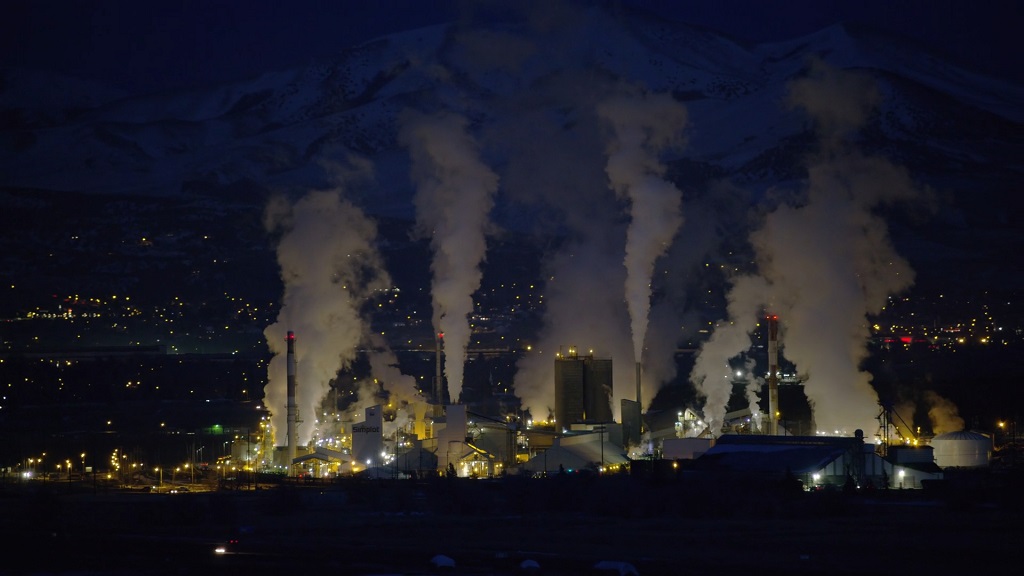
Regulators are not the only audience. Buyers, lenders, insurers, royalty owners, and joint venture partners increasingly look at methane performance.
The World Bank’s 2025 Global Gas Flaring Tracker estimated that flaring in 2024 released 389 million tonnes of CO2e, with unburned methane forming a significant portion. The report also said countries committed to Zero Routine Flaring by 2030 performed better than non-participants.
Small operators may feel far removed from global methane policy, yet public data and satellite tracking are making field practices more visible. A small lease with frequent flaring can attract attention when nearby operators solve similar constraints.
Summary
Flaring and venting rules in 2026 reward preparation. EPA has added limited flexibility, BLM still treats gas waste as a lease and royalty issue, and states such as New Mexico, Colorado, and Texas can shape daily compliance decisions.
Small operators should focus on 3 basics: capture gas where feasible, document every release clearly, and match field records to the exact rule that applies. Clean records will not fix weak equipment, yet weak records can turn a manageable flare event into a serious compliance problem.