
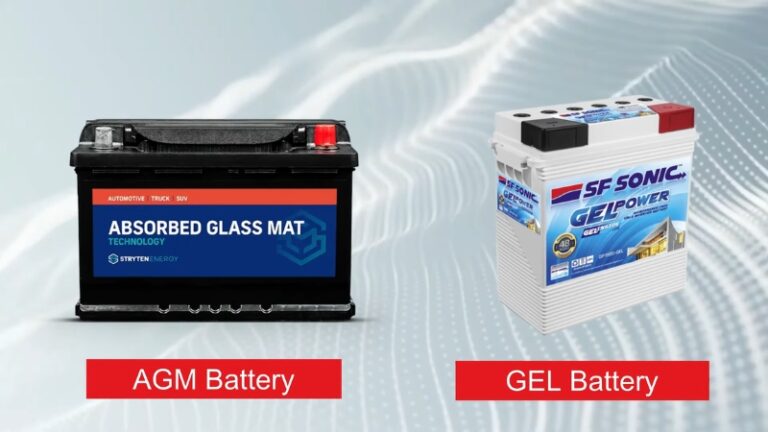
Choosing between AGM and Gel batteries is not about which one is “better.” It is about how the battery will be used, how deeply it will be discharged, how quickly it must recharge, and what kind of loads it will power.
Both AGM and Gel belong to the sealed lead acid family, technically called valve-regulated lead acid batteries (VRLA).
They share the same core chemistry based on lead plates and sulfuric acid electrolyte, but the way that electrolyte is contained completely changes performance, charging behavior, durability, and real-world suitability.
Core Structural Difference That Drives Performance
Both batteries rely on the same lead dioxide positive plate, sponge lead negative plate, and sulfuric acid electrolyte. The separator between plates determines how the electrolyte behaves.
Feature
AGM Battery
Gel Battery
Electrolyte state
Absorbed in fiberglass mat
Immobilized in silica gel
Internal resistance
Lower
Higher
Surge current capability
High
Limited
Charge acceptance
Fast
Slow
Deep discharge tolerance
Moderate
Very strong
Typical cycle life at 50% DoD
~500–600 cycles
~800–1200 cycles
Price range
Lower
Higher
The fiberglass mat in AGM batteries acts like a sponge that holds electrolyte tightly against the plates. This reduces internal resistance and allows rapid electron transfer.
The gel battery thickens the electrolyte with silica, creating a semi-solid medium that stabilizes the acid but slows ion movement.
Real Electrochemistry Behind Both Batteries
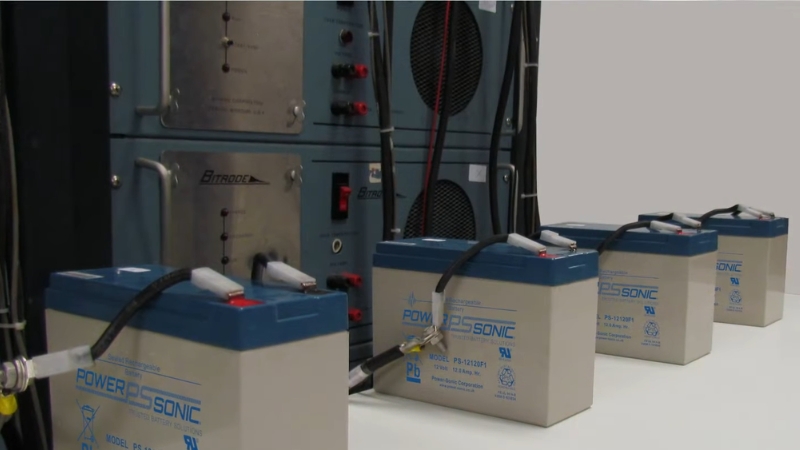
A fully charged lead-acid cell contains lead dioxide on the positive plate, sponge lead on the negative plate, and concentrated sulfuric acid electrolyte. During discharge:
Pb + PbO₂ + 2H₂SO₄ → 2PbSO₄ + 2H₂O
The acid concentration drops as lead sulfate forms on both plates. Charging reverses the reaction. Each cell produces about 2.05 volts, so six cells create a typical 12 V battery.
This chemistry is identical in AGM and Gel. What differs is how efficiently ions move between plates.
AGM’s porous glass mat allows faster ion transport and better gas recombination. Gel’s thick electrolyte slows reaction kinetics but reduces evaporation and plate corrosion.
Studies from battery engineering literature consistently show internal resistance differences of roughly 20 to 40 percent higher in gel designs compared with AGM equivalents. That directly impacts charging speed and power delivery.
Charging Behavior: One Of The Biggest Practical Differences
Charging characteristics are often overlooked,, but they determine battery lifespan more than almost anything else.
Charging Parameter
AGM
Gel
Recommended charge voltage (12V battery)
14.4–14.7 V
14.0–14.2 V
Recharge speed
Faster
Slower
Sensitivity to overcharge
Moderate
Very high
Typical full recharge time
6–8 hours
10–14 hours
AGM batteries accept higher charge current because the electrolyte is easily accessible. Gel batteries require stricter voltage control.
Overcharging can create voids or cracks in the gel, permanently reducing capacity.
This is why many solar installers specify dedicated gel charging profiles. Using an AGM charger on a gel battery shortenits s lifespan quickly.
Deep Cycle Performance And Lifespan Reality
View this post on Instagram
Gel batteries clearly win in deep discharge tolerance. That advantage becomes obvious in solar storage, wheelchairs, or backup systems where discharge frequently exceeds 50 percent.
Depth of Discharge
AGM Cycle Life
Gel Cycle Life
30% DoD
900–1100 cycles
1200–1500 cycles
50% DoD
500–600 cycles
800–1200 cycles
80% DoD
250–350 cycles
600–800 cycles
These figures align with manufacturer technical sheets from companies like Trojan Battery, Victron Energy, and Sonnenschein.
The thicker gel electrolyte stabilizes the plate structure during deep discharge. AGM plates are more prone to sulfation under repeated deep cycling.
For solar off-grid systems where daily discharge exceeds half capacity, gel batteries often last several years longer.
Power Delivery And High Load Applications
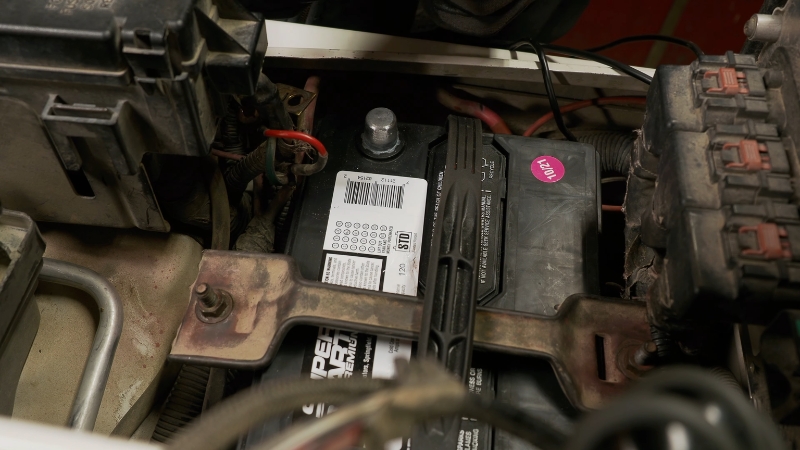
AGM batteries excel when high current is required. Lower internal resistance allows stronger bursts without voltage collapse.
Common AGM uses:
Gel batteries struggle here because high current draws create localized depletion zones inside the gel electrolyte. That leads to uneven reaction rates and faster degradation.
This is why you rarely see gel batteries used as starter batteries.
Temperature Performance Differences
Temperature tolerance is often misunderstood.
Temperature Factor
AGM
Gel
Cold start performance
Good
Moderate
Heat tolerance
Good
Better
Electrolyte evaporation resistance
Moderate
Strong
Gel batteries resist heat-induced evaporation better due to immobilized electrolyte. However, AGM batteries generally deliver stronger cold cranking current.
In extremely hot environments like telecom shelters or off-grid installations in deserts, gel often lasts longer.
Vibration And Mechanical Stress Resistance
AGM batteries were originally popularized in military aviation applications partly because the compressed glass mat stabilizes plates.
That structural rigidity gives AGM batteries excellent vibration tolerance.
Typical uses include:
Gel batteries are more stable chemically, but mechanically less resistant to shock because gel can develop microfractures under stress.
Maintenance And Safety Considerations
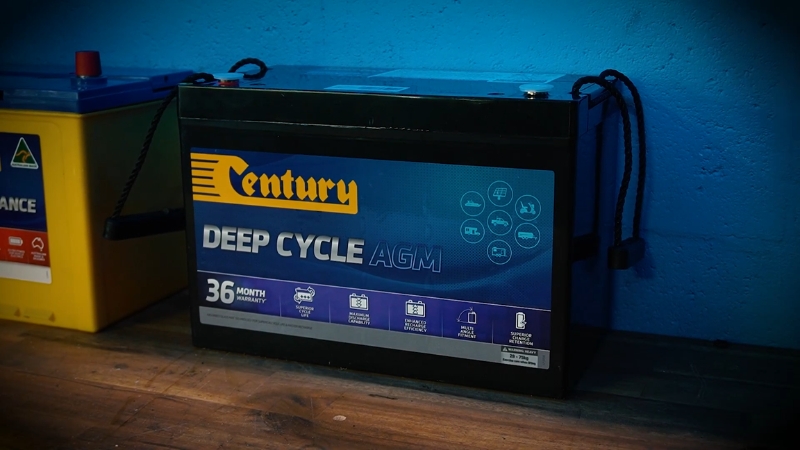
Both batteries are sealed and maintenance-free compared with flooded lead-acid batteries.
Key safety points:
AGM batteries generally recombine gases slightly more efficiently. However, both are considered safe for indoor or enclosed installation when properly charged.
Cost Reality And Total Ownership Cost
Initial cost favors AGM, butlong-termm cost depends on usage pattern.
Cost Aspect
AGM
Gel
Purchase price
Lower
Higher
Replacement frequency in deep-cycle use
Higher
Lower
Charging equipment cost
Standard
Sometimes specialized
If the battery cycles shallowly and frequently charges quickly, AGM is usually cheaper overall. If deep discharge happens daily, gel often becomes cheaper over time despite a higher upfront cost.
Practical Decision Guide Based On Use Case
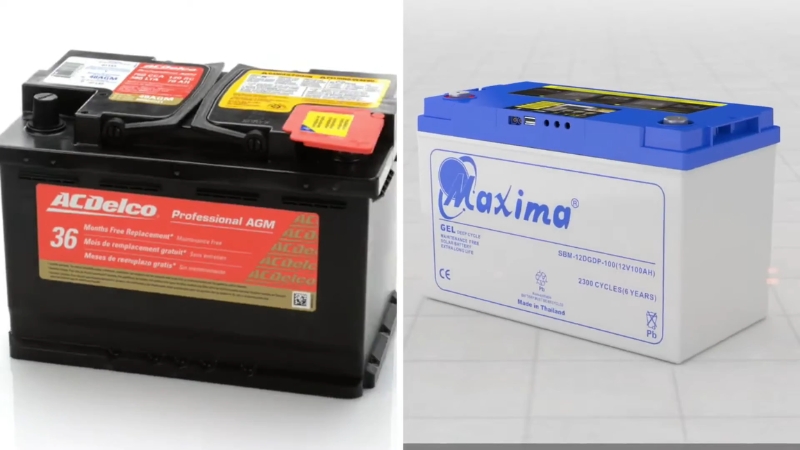
Choose AGM If
- You need strong current delivery
- Fast charging matters
- The battery faces vibration
- Cost sensitivity exists
- Starter battery function required
Choose Gel If
- Deep discharge is routine
- Solar or backup storage is primary us
- Heat exposure is high
- Long cycle life matters more than recharge speed
Bottom Line
@firstbatterycentrepmb AGM vs Lead Acid Battery AGM batteries (aka Absorbent Glass Mat) batteries are more superior than regular lead acid batteries and the technology is designed to support modern start-stop vehicles. #AGMbatteries #firstbatterycentrepmb #batterytips #agmvsleadacidbattery ♬ original sound – First Battery Centre PMB
AGM batteries deliver higher power, recharge faster, cost less initially, and handle vibration better. Gel batteries tolerate deeper discharge, resist heat more effectively, and usually last longer in continuous cycling roles.
Neither is universally better. The right choice depends entirely on discharge depth, charging speed requirements, environment, and load profile.