
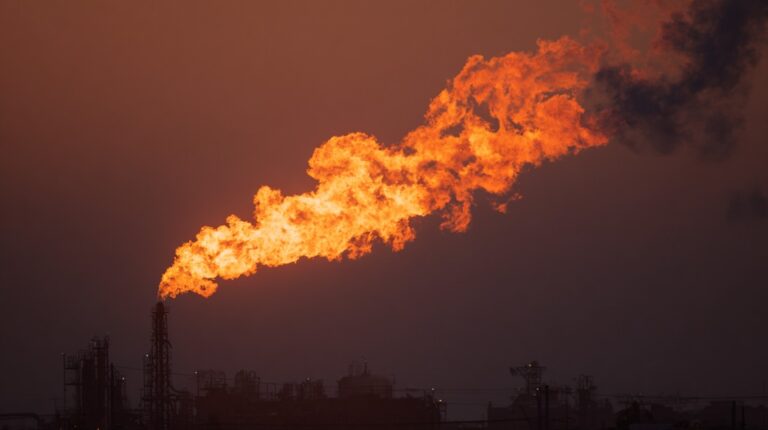
Energy debates often frame natural gas as a cleaner fossil option or even as a renewable substitute, raising the question are natural gases renewable in a climate-constrained world.
Scientific consensus rejects the idea that natural gases renewable classifications make sense under climate science. Natural gas remains a fossil fuel tied directly to climate instability.
Such framing persists in policy discussions, media coverage, and corporate messaging. Scientific consensus rejects that framing. Natural gas remains a fossil fuel tied directly to climate instability.
Many arguments used to defend gas rely on outdated assumptions or selective data.
Facts provided by leading climate analysts show renewable energy outperforms gas on cost, reliability, and environmental safety.
Myth #1: Natural Gas Is Cleaner and Better for the Climate
Natural gas combustion releases carbon dioxide every time power plants, furnaces, or stoves operate. Upstream activities create an even larger climate burden.
- Routine venting
- Equipment failures
- Unnoticed leaks
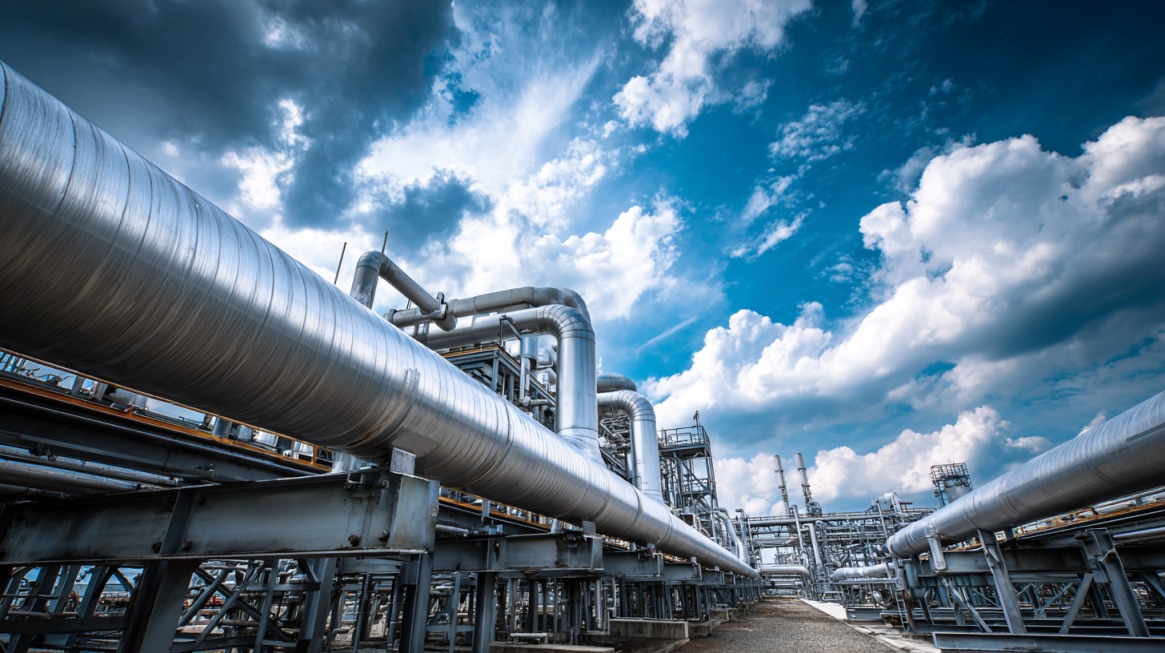
Methane traps heat far more aggressively than carbon dioxide during short timeframes that determine near-term climate stability.
Climate scientists classify methane as a super pollutant because its warming impact spikes quickly after release.
- Methane causes roughly 86 times more warming than carbon dioxide over twenty years
- Gas infrastructure leaks persist across wells, compressors, storage facilities, and long-distance pipelines
- Short term warming accelerates extreme heat, stronger storms, prolonged droughts, and wildfire conditions
Fossil fuels continue driving global climate damage, and gas accounts for a large share of emissions growth. Scale of consumption combined with persistent leakage eliminates any climate advantage claims.
Net-zero pathways depend on a rapid decline in gas use rather than expansion or long-term reliance.
Arguments suggesting natural gases renewable status often ignore methane leakage and short-term warming impacts.
Myth #2: Renewable Energy Is Too Expensive Compared to Natural Gas
View this post on Instagram
Cost comparisons frequently misrepresent natural gas pros and cons, especially when fuel volatility and long-term infrastructure risk are excluded.
Renewable electricity now undercuts fossil fuel power across most energy markets. Solar and wind avoid fuel purchases entirely, shielding households and businesses against price volatility tied to gas supply and geopolitical shocks.
Cost reductions across manufacturing, installation, and financing reshaped power economics worldwide during the past decade.
- Solar and wind prices dropped by as much as 90% during ten years
- Solar electricity costs more than 40% less than fossil alternatives on a global basis
- Onshore wind delivers savings approaching seventy percent compared with fossil generation
United States data reinforces these findings. Solar already outprices nearly every coal plant. Texas offers a clear illustration where wind and solar displaced methane use at scale.
Avoided fuel purchases saved tens of billions of dollars across twelve years, while daily savings during strong clean energy output often reached ten to thirty million dollars.
Myth #3: Renewable Energy Is Unreliable, Unlike Natural Gas

Extreme weather repeatedly exposes fragility across gas systems. Cold snaps freeze pipelines and power plants. Heat waves strain supply chains and trigger price spikes.
Renewable systems often perform better than forecasts during the same events due to geographic spread and predictive modeling.
- Wind and solar met or exceeded forecasts about ninety percent of the time
- Gas plants caused most outages due to frozen equipment and fuel supply failures
- Seventy three percent of grid failures are traced back to coal and methane gas
- Solar contributed roughly one percent of failures
Grid reliability now depends on advanced forecasting, distributed generation, and energy storage. Battery systems, regional coordination, and smart controls maintain continuous power without fossil dependence.
Myth #4: We Need Natural Gas to Back Up Renewables
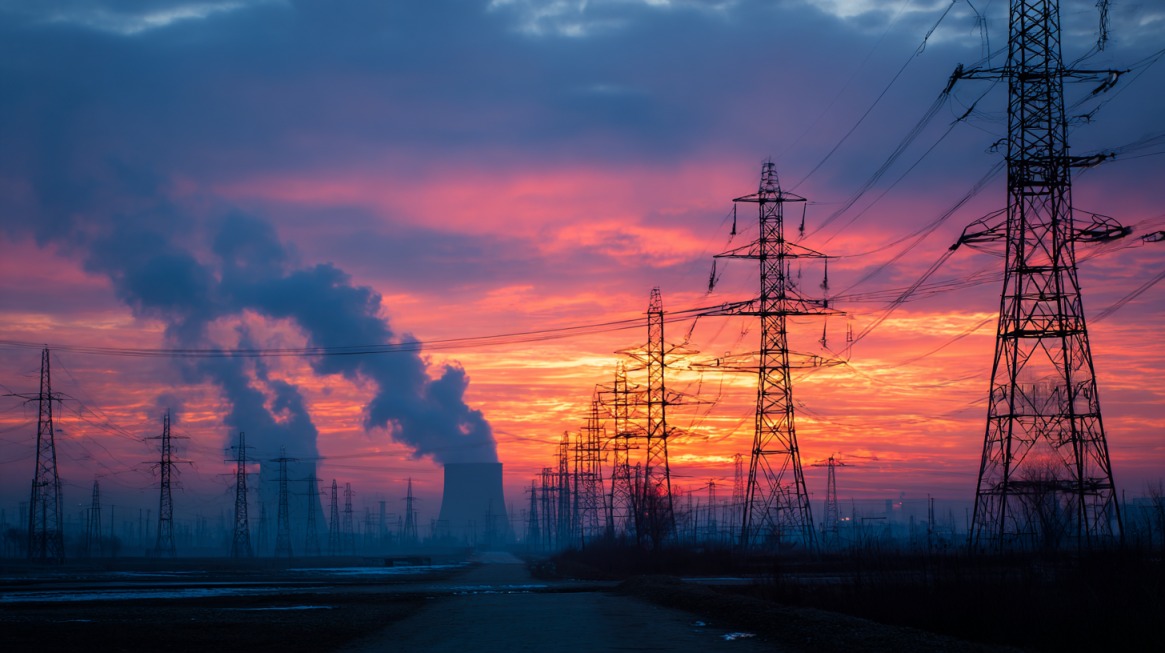
Modern grid management no longer relies on gas peaker plants for stability. Flexibility across the system balances electricity supply and demand across hours, days, and seasons.
Demand response programs shift usage during peak periods. Ice-based cooling stores energy ahead of demand surges.
Electric vehicle charging adapts automatically to grid conditions.
Long-duration energy storage now provides power for days or weeks rather than hours.
Modeling across European winter systems shows reliability achievable with only one to two weeks of stored renewable energy. Seasonal stability no longer requires months of gas reserves.
Grid coordination paired with storage replaces fossil backup while lowering costs and emissions.
Myth #5: Renewables Are Too Land-Intensive Compared to Gas
Wind turbines operate alongside farming and grazing without disrupting food production.
Livestock and crops function normally beneath turbines. Solar installations increasingly support multiple uses, including pollinator habitats and agricultural shading.
Rooftop systems add generating capacity without consuming additional land.
Large-scale deployment requires far less space than commonly assumed. One hundred thousand megawatts of solar capacity would occupy about half of one percent of Texas land. Full transition across the United States would require less than one percent of the national land area.
Future solar development would use just over one percent of farmland. Fossil fuel extraction disrupts much larger areas through drilling pads, pipelines, waste sites, and pollution zones.
Myth #6: Renewable Energy Harms Wildlife More Than Gas

Fossil fuel activity damages ecosystems at every operational stage.
Drilling, fracking, spills, air pollution, and climate warming disrupt habitats across continents. Wildlife mortality associated with fossil fuels far exceeds impacts tied to renewable power.
- Fossil fuel generation causes about five bird deaths per gigawatt hour
- Wind power causes roughly 0.3 to 0.4 bird deaths per gigawatt hour
- Domestic cats kill 2.4 billion birds annually in the United States
- Wind turbines account for fewer than one million bird deaths per year
Fracking operations alone reduced bird populations by about fifteen percent in the studied regions. Energy developers now deploy deterrent technologies, improved siting practices, and new turbine designs that further reduce wildlife risk.
Myth #7: Renewable Energy Creates More Waste Than Fossil Fuels
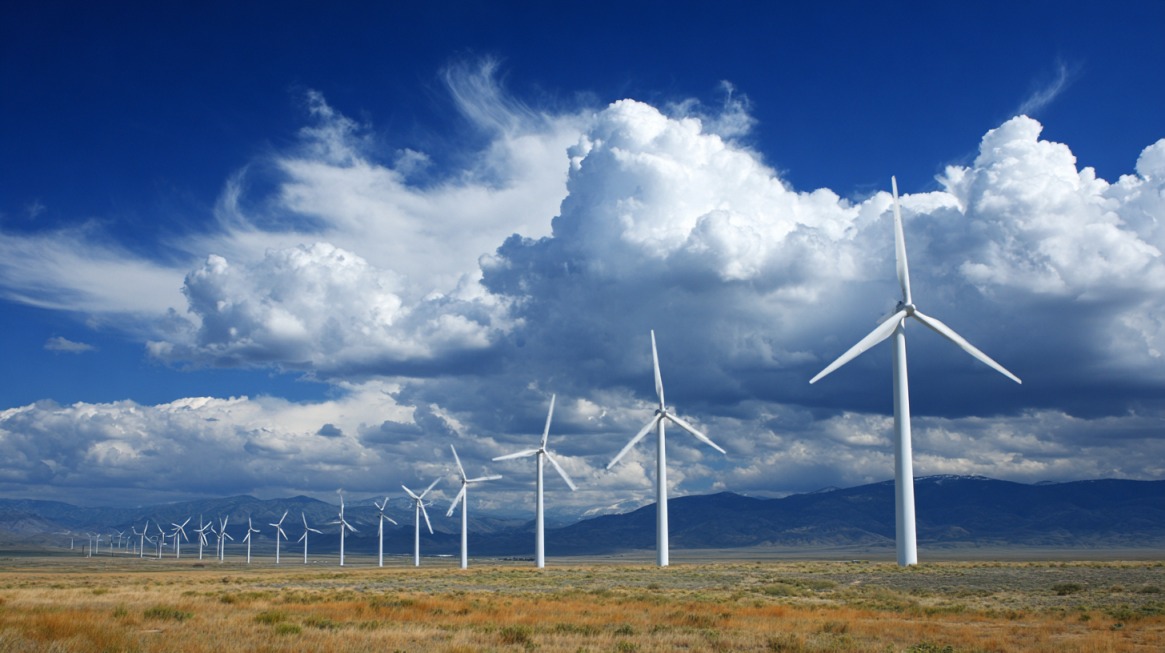
Waste volumes tied to fossil fuels dwarf renewable waste by orders of magnitude. Coal ash, oil sludge, and toxic byproducts accumulate continuously and persist for decades.
Disposal sites contaminate soil and water across large regions.
- Coal ash waste is expected to reach 45 billion tons by mid-century
- Solar photovoltaic waste is projected to reach 88 million tons by 2050
- Solar waste remains thousands of times smaller than coal waste
Solar panels remain highly recyclable, with recovery rates up to 95%. Recovered materials could supply 25% to 30% of domestic solar demand by 2040. Recycling facilities already scale to meet future needs.
Myth #8: Carbon Capture or Clean Gas Is the Better Solution
View this post on Instagram
Carbon capture technology remains costly and unreliable at the commercial scale. Decades of investment produced minimal emissions reductions relative to climate targets.
Many projects underperform, operate intermittently, or shut down entirely after launch.
Operational realities limit effectiveness. High energy requirements reduce overall efficiency. Captured carbon often supports additional fossil extraction rather than permanent storage.
Continued reliance on carbon capture delays structural change and locks energy systems into prolonged fossil dependence.
The Big Picture – Why Natural Gas Is Not a Climate Solution
Claims that attempt to answer are natural gases renewable collapse under real-world emissions data and lifecycle analysis.
Natural gas remains non-renewable and continues driving climate damage across every stage of its lifecycle. Extraction, transport, and combustion release greenhouse gases that accelerate warming during the most critical decades ahead.
Bridge fuel narratives collapse under real-world emissions data that shows gas expansion locking in pollution rather than reducing it.
Climate modeling and market outcomes consistently show that treating natural gases renewable alternatives as viable slows decarbonization.
Clean energy systems outperform gas on cost, reliability, and deployment speed while avoiding pollution burdens tied to fossil infrastructure. Economic performance already reflects that shift across power markets.
- Renewable power delivers consistently lower electricity prices without fuel volatility
- Installation timelines measure months rather than decades
- Modular systems scale rapidly without locking grids into long-term risk
Employment data further undermines arguments favoring gas. Clean energy industries generate more jobs per dollar invested due to domestic manufacturing, construction, operations, and maintenance.
Workforce growth spreads across regions rather than concentrating around extraction sites.
The Bottom Line
Natural gas fails every test required for a climate-safe future. Persistent myths slow progress and distort policy choices.
Renewable energy already outperforms gas across economic, environmental, and reliability metrics.
Climate action depends on rejecting misinformation and accelerating renewable deployment at scale.
A full assessment of natural gas pros and cons shows economic and climate liabilities outweigh short-term benefits.