
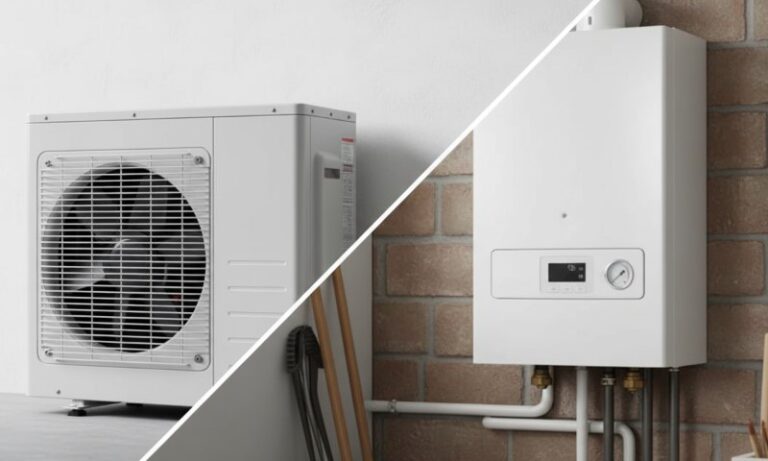
In 2026, heat pumps are cheaper to run than gas boilers in most developed markets, but gas boilers still have a lower upfront cost in many regions.
Over a full ownership cycle, heat pumps now win on total cost of ownership in countries with moderate electricity prices, carbon pricing, or active efficiency incentives.
Gas boilers retain a cost edge only where gas remains heavily subsidized, and electricity prices stay high.
How the Two Systems Actually Consume Energy
Gas boilers create heat by burning fuel. Even modern condensing units convert only a fixed portion of that fuel into usable heat. Heat pumps move heat rather than generate it.
Because of that physical difference, cost comparisons are not about fuel price alone but about how many units of heat each system delivers per unit of energy consumed.
A modern condensing gas boiler typically reaches 90–94 percent seasonal efficiency under real-world conditions. That means for every unit of gas energy purchased, slightly less than one unit of heat reaches the home.
Air-source heat pumps commonly achieve a seasonal coefficient of performance (SCOP) between 2.8 and 3.6 in temperate climates, meaning one unit of electricity delivers nearly three units of heat across a full heating season.
Ground-source systems often exceed a SCOP of 4.0 but carry higher installation costs.
This efficiency gap is the core reason heat pumps have overtaken gas boilers on operating cost in many regions, even when electricity prices are higher per kilowatt-hour than gas.
2026 Energy Prices and What They Mean for Heating Bills
View this post on Instagram
Energy prices stabilized in late 2024 after the volatility of the early 2020s, but they did not return to pre-2020 norms. Gas prices remain structurally higher due to LNG transport costs, geopolitical risk premiums, and methane leakage regulation.
The table below uses average residential prices projected for 2026 in major markets, adjusted for taxes and typical household tariffs.
| Region | Electricity (€/kWh) | Natural Gas (€/kWh) | Notes |
| EU average | 0.29 | 0.11 | Includes carbon pricing |
| Germany | 0.32 | 0.12 | High grid and climate levies |
| United Kingdom | 0.27 | 0.10 | Gas is still relatively cheap |
| United States | 0.17 | 0.06 | Large regional variation |
| Canada | 0.14 | 0.07 | Lower electricity in hydro provinces |
When efficiency is factored in, the raw price difference narrows sharply in favor of heat pumps.
Annual Heating Cost Comparison for a Typical Home
To compare systems fairly, assume a detached home requiring 15,000 kWh of delivered heat per year, a common figure for a mid-sized, moderately insulated home in a temperate climate.
| System | Energy Used | Effective Output | Annual Cost (EU avg) |
| Gas boiler (92%) | 16,300 kWh gas | 15,000 kWh of heat | ~€1,790 |
| Air-source heat pump (SCOP 3.2) | 4,700 kWh of electricity | 15,000 kWh of heat | ~€1,360 |
| Ground-source heat pump (SCOP 4.1) | 3,650 kWh of electricity | 15,000 kWh of heat | ~€1,060 |
In this scenario, an air-source heat pump saves roughly €430 per year compared with a modern gas boiler. Ground-source systems increase savings but require much higher capital investment.
In the United States, where gas remains cheaper, the gap narrows but does not disappear in many states, especially those with winter electricity rates below the national average.
Installation Costs: Where Gas Still Competes
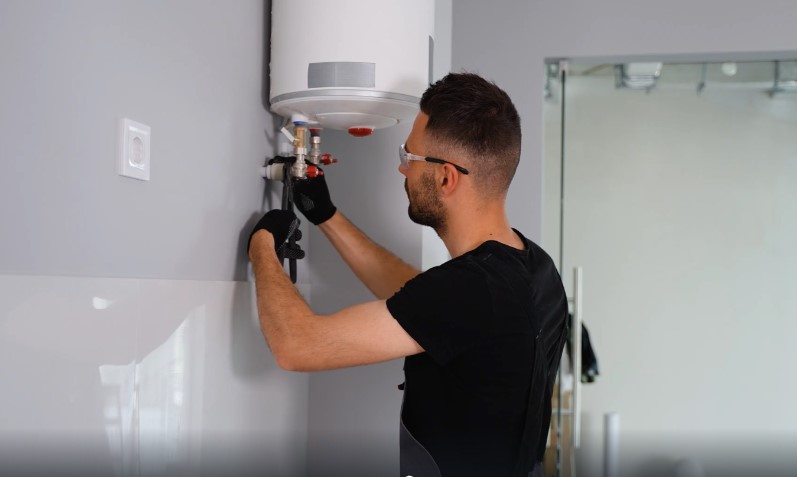
Upfront cost remains the strongest argument for gas boilers in 2026. Even as heat pump prices fell due to scale manufacturing in Asia and Europe, installation complexity keeps total costs higher.
| System | Installed Cost Range | Includes |
| Gas boiler replacement | €3,000–€5,500 | Unit, flue, labor |
| Air-source heat pump | €8,000–€13,000 | Unit, controls, minor electrical upgrades |
| Ground-source heat pump | €18,000–€30,000 | Drilling, loop, heat pump |
These numbers shift significantly when subsidies apply. The EU, UK, and several US states continue to offer direct grants or tax credits for heat pumps.
When incentives are included, the effective price gap often shrinks to less than €3,000 for air-source systems.
Maintenance, Reliability, and System Lifespan
Gas boilers are mechanically simpler and familiar to installers. Annual servicing is usually mandatory in Europe and costs €100–€200 per year. Major components such as heat exchangers typically last 12–15 years.
Annual servicing is less intensive and often optional. Real-world data from Scandinavian markets shows air-source heat pumps lasting 18–20 years, with compressors often exceeding 60,000 operating hours.
Over a 20-year ownership period, maintenance costs for heat pumps are generally lower, though repairs can be more expensive if they occur outside warranty.
Carbon Pricing and Regulatory Pressure
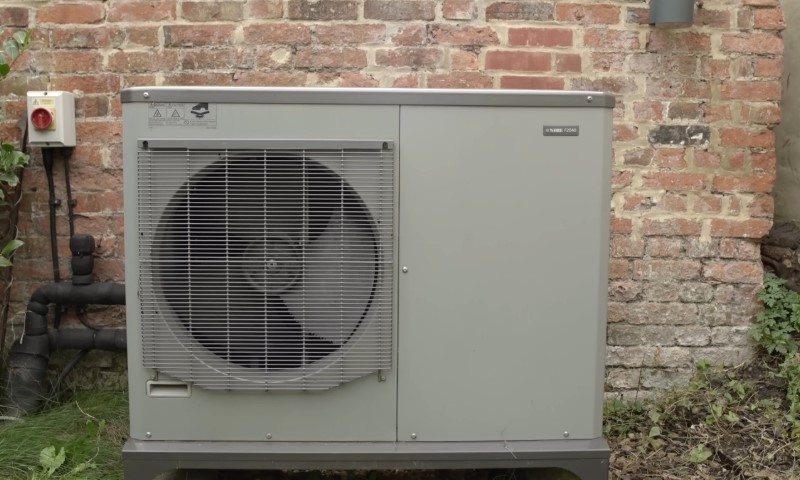
Cost comparisons in 2026 cannot ignore policy. Carbon pricing directly increases the cost of gas heating in many jurisdictions. The EU Emissions Trading System expansion and national carbon taxes add a measurable cost per kilowatt-hour of gas.
At the same time, several countries announced future restrictions on new gas boiler installations in residential buildings.
While existing systems remain legal, resale value and long-term fuel certainty increasingly favor electrified heating.
This policy pressure does not make heat pumps universally cheaper overnight, but it tilts the long-term financial equation decisively.
Grid Impact and Real-World Electricity Use
A common concern is whether widespread heat pump adoption overwhelms electrical grids. In practice, most grid stress comes from peak demand events rather than total energy use.
Modern heat pumps paired with weather-compensated controls reduce peak load by operating steadily instead of cycling at maximum output.
Time-of-use tariffs also shift costs. Homes that can run heat pumps during off-peak hours often see lower effective electricity prices, further improving operating economics.
When Gas Boilers Still Make Financial Sense
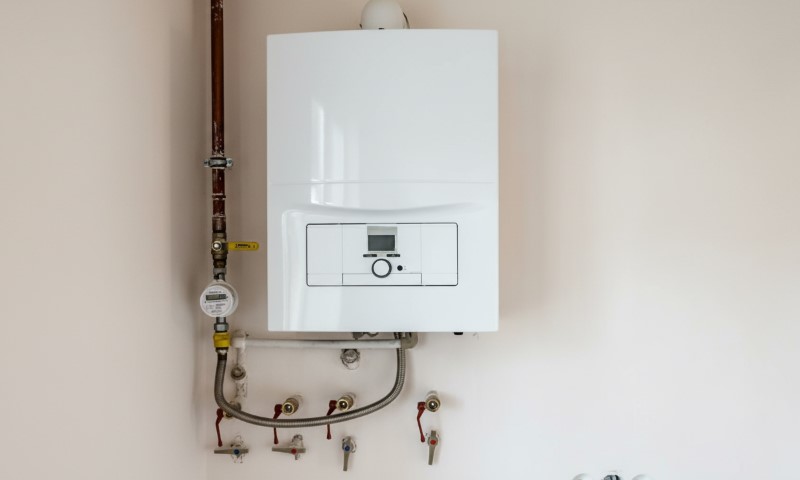
There are still cases in 2026 where gas boilers remain cheaper overall. Homes in regions with extremely low gas prices and high electricity tariffs may see longer payback periods.
Properties with poor insulation may require expensive upgrades before heat pumps operate efficiently. Apartments without space for outdoor units also face practical barriers.
These cases are shrinking but not eliminated.
Total Cost of Ownership Over 20 Years
When all costs are combined, the picture becomes clearer.
| System | Install | Energy | Maintenance | Total |
| Gas boiler | €4,500 | €35,800 | €3,000 | ~€43,300 |
| Air-source heat pump | €10,500 | €27,200 | €2,000 | ~€39,700 |
| Ground-source heat pump | €24,000 | €21,200 | €2,200 | ~€47,400 |
Air-source heat pumps now sit at the lowest long-term cost in many markets, even without incentives.
The Verdict
In 2026, heat pumps will be the cheaper heating option over time for most households, while gas boilers will retain an upfront cost advantage in limited scenarios.
The deciding factors are no longer theoretical efficiency claims but measurable differences in fuel cost, policy pressure, and system lifespan.
The cost showdown is effectively over in much of Europe and increasingly in North America. The remaining question is not whether heat pumps are cheaper in the long run, but how quickly households can absorb the higher initial investment.