
Heating systems play a critical role for homeowners in cold climates where winter temperatures frequently drop below freezing. Reliable indoor heating protects comfort, safety, and structural integrity of a house during long winter periods.
Gas furnaces have dominated residential heating for decades because they generate strong heat output regardless of outdoor conditions.
Technological improvements have changed the conversation in recent years.
Growing interest in energy efficiency and reduced carbon emissions has also increased attention toward electric heating technologies.
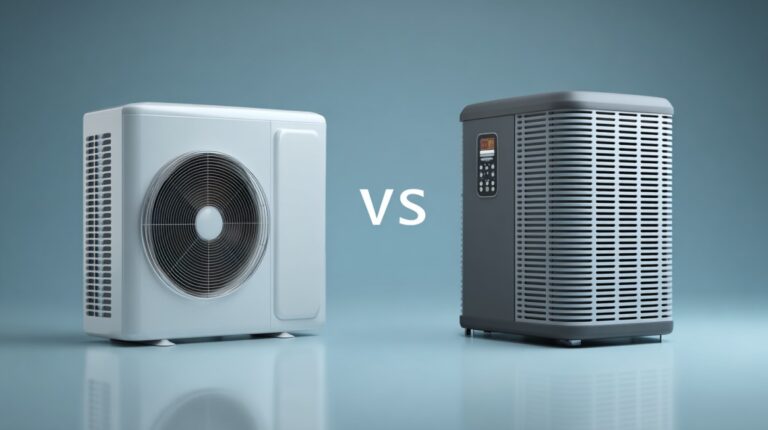
Let us talk about the differences between heat pumps and traditional furnaces and come up with a decision on what is a better choice down the road.
How Each System Works
Heating technology operates through two very different principles. One system moves heat that already exists in outdoor air, while another produces heat directly through combustion or electric resistance.
The distinction between these influences efficiency, performance in cold weather, and long-term operating costs.
Heat Pumps
Refrigerant circulates through an outdoor coil and an indoor coil while a compressor pushes refrigerant through the system.
Continuous circulation allows heat energy captured outdoors to travel inside the building.
Outdoor air still contains usable thermal energy even during freezing weather. Heat pump equipment extracts that energy and sends it inside through a pressurized refrigerant cycle.
Increased pressure raises refrigerant temperature so indoor air handlers can distribute warm air across interior spaces.
The operation resembles air conditioning equipment working in reverse. Cooling mode removes heat inside a house and releases it outdoors. Heating mode captures outdoor heat and moves it inside the building envelope.
- An outdoor coil that absorbs heat energy from the outside air
- A compressor that increases refrigerant pressure and temperature
- An expansion valve that regulates refrigerant pressure within the cycle
- Indoor coil that releases captured heat into circulating indoor air
An efficiency advantage appears because most delivered heat energy originates in outdoor air rather than electricity. Electrical energy only powers system components such as compressors, fans, and controls.
Cold-climate heat pumps include advanced technologies designed to maintain performance during freezing conditions.
Versatility represents another major benefit. Single system operation can provide both heating and cooling across the entire year. Dual capability allows homeowners to eliminate separate air conditioning equipment in many homes.
Maintenance requirements remain similar to conventional HVAC systems. Routine service typically involves air filter replacement, coil cleaning, refrigerant checks, and inspection of electrical components.
Furnaces
Combustion or electric resistance creates thermal energy that warms the air circulating through the house.
Gas furnaces operate by burning natural gas inside a sealed combustion chamber. Heat exchanger surfaces absorb combustion heat while keeping exhaust gases separated from indoor air. Blower fans then push warm air through ductwork that distributes heat into multiple rooms.
Oil furnaces use heating oil instead of natural gas but follow the same heating process. Electric furnaces rely on resistance heating elements that generate heat as electricity passes through metal coils.
Combustion heating produces very hot supply air quickly. Rapid heat output allows furnaces to raise indoor temperatures quickly during severe winter weather.
Efficiency levels in modern systems have improved significantly.
- 90% AFUE for standard high-efficiency units
- 95% AFUE for premium efficiency systems
- 98% AFUE in advanced condensing furnace models
AFUE measures how much fuel energy is converted into usable heat during an entire heating season. Higher values indicate reduced energy loss through exhaust gases or system inefficiencies.
Duct networks play a major role in furnace heating performance. Properly designed duct systems allow heated air to reach every room while maintaining consistent indoor temperatures.
Many homes already contain duct systems designed for furnace heating. Existing infrastructure often lowers installation complexity when replacing an older furnace with a new model.
If you’re interested in learning how these differ from gas boilers, be sure to read our two cents on that topic.
Performance in Cold Climates
Cold climate heating performance determines comfort and reliability during the winter months. Equipment must deliver sufficient heat output during extended freezing conditions.
Different technologies respond differently when outdoor temperatures decline. Combustion systems maintain steady heating capacity, while heat transfer systems depend on outdoor thermal energy availability.
Furnace Performance
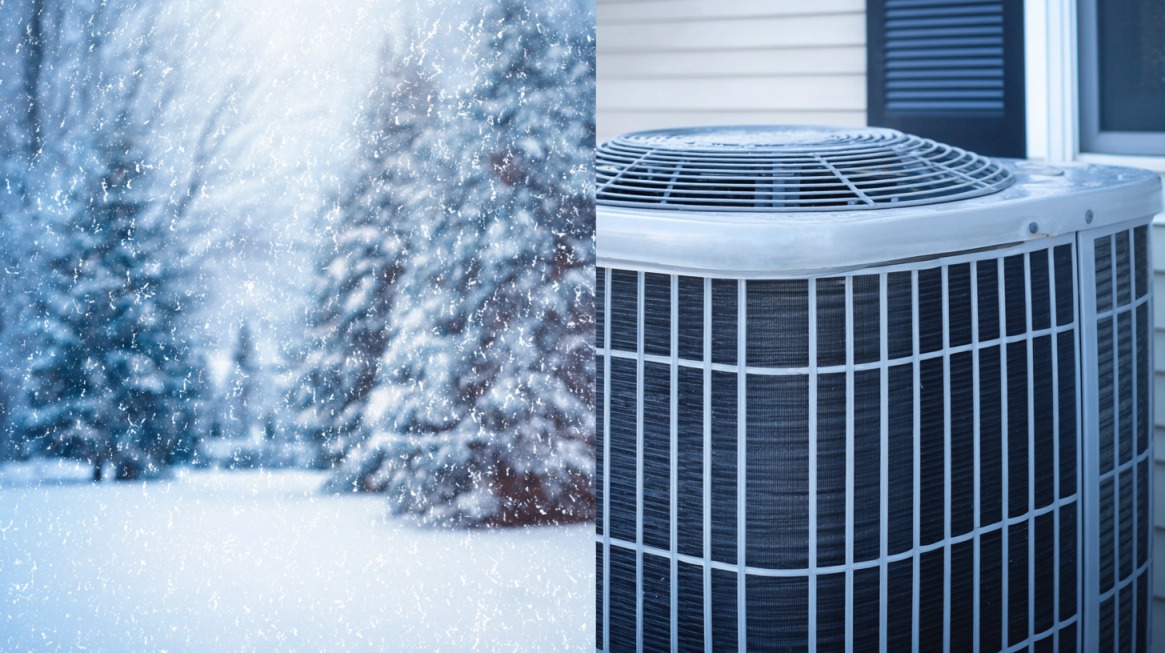
Combustion heating produces thermal energy directly inside equipment rather than depending on outdoor heat sources.
Gas furnaces continue delivering full heating capacity during severe winter conditions where temperatures fall far below freezing. Reliable operation during extreme cold explains continued use across northern regions with long winters.
Indoor air produced by furnaces often reaches temperatures between 120°F and 140°F, depending on equipment design. High supply temperatures create strong heating performance during very cold days.
Long service life represents another advantage of furnace heating systems. Gas furnaces typically operate between 15 and 25 years when maintained properly. Regular service can extend operational life and preserve efficiency.
Durability often results from a relatively simple mechanical operation. Fewer refrigeration components reduce mechanical complexity compared with heat pump systems.
Heat Pump Performance
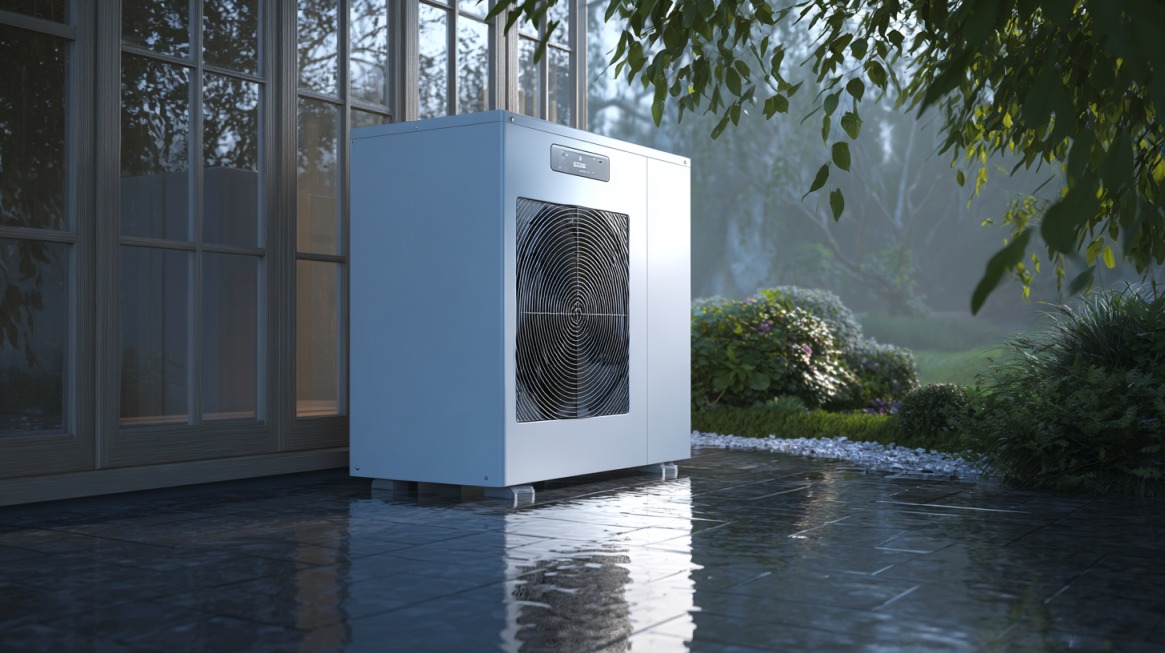
Early heat pump designs struggled in freezing weather. Heating capacity dropped significantly as outdoor temperatures declined, reducing effectiveness during harsh winters.
Cold-climate heat pump technology has improved dramatically in recent years. Modern equipment can maintain reliable heating performance in temperatures previously considered unsuitable for heat pump heating.
- Reliable heating performance near 5°F outdoor temperature
- Stable heating capacity close to 0°F in many modern systems
- Continued operation as low as minus 23°F in extreme environments
Several technological improvements allow these systems to operate effectively during freezing weather.
Efficiency still declines as temperatures continue dropping. Reduced heat availability in outdoor air forces the compressor to work harder to extract thermal energy.
Hybrid heating systems sometimes combine heat pumps with gas furnaces. Heat pump operation provides efficient heating during moderate temperatures, while furnace heating activates during severe cold.
Energy Efficiency
Heating systems operate for long periods during winter months, so small efficiency differences can create noticeable energy savings.
Two heating technologies achieve efficiency through very different processes. Heat pumps move heat energy that already exists, while furnaces generate heat directly through combustion.
Heat Pump Efficiency
Heat pump systems often deliver multiple units of heat energy for each unit of electricity consumed. The energy transfer process allows systems to move more thermal energy than the electrical energy required for operation.
Coefficient of performance values measure heat pump efficiency under different conditions.
- COP values near 3 during moderate winter temperatures
- COP values near 2 during colder outdoor conditions
- Lower values during extremely cold weather, when heat extraction becomes more difficult
High efficiency can lead to noticeable cost reductions across a heating season. Many households experience lower annual heating expenses after replacing combustion heating equipment with heat pump systems.
Lower environmental impact also contributes to efficiency advantages. Electric heating systems can become cleaner as electricity generation shifts toward renewable energy sources.
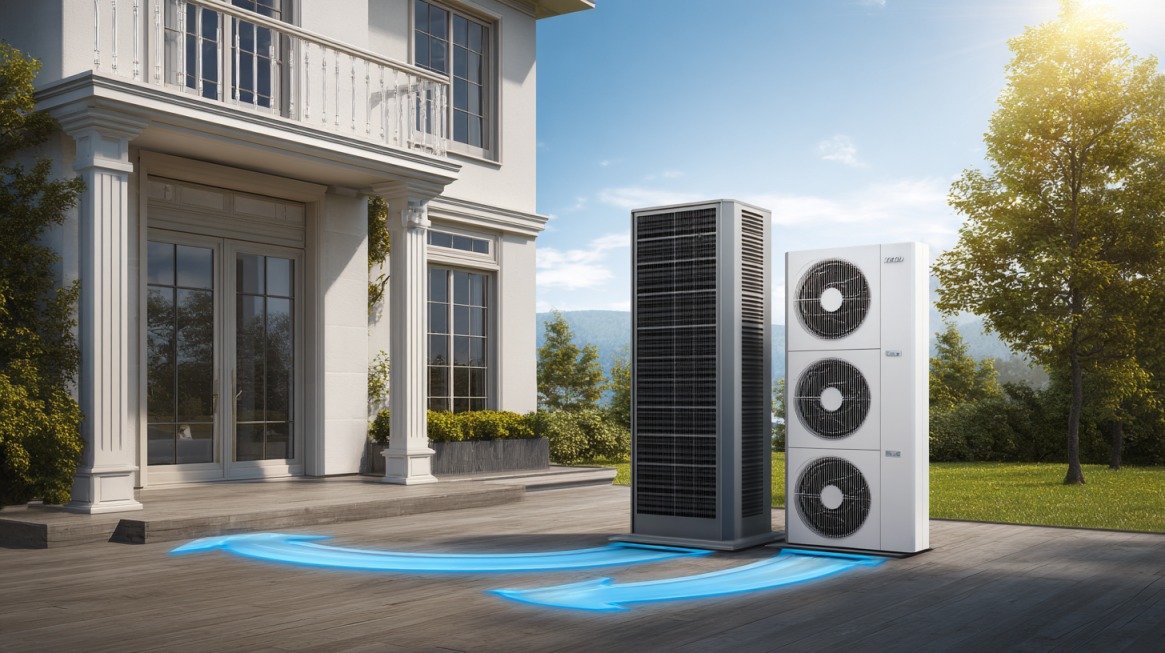
Furnace Efficiency
Modern gas furnaces achieve high efficiency ratings through improved combustion design and advanced heat exchanger technology.
Condensing furnace systems capture additional heat energy that older equipment would release through exhaust gases.
- Standard mid-efficiency units near 80% AFUE
- High-efficiency furnaces near 90% AFUE
- Premium condensing models reaching 95% to 98% AFUE
Combustion heating systems cannot exceed 100% efficiency because fuel energy must generate heat directly. Heat losses occur during exhaust venting and mechanical operation.
Performance advantage still exists during extremely cold weather. Furnace output remains stable even when outdoor temperatures fall dramatically.
Installation and Upfront Costs
Equipment complexity, electrical requirements, and system configuration often contribute to higher total project costs.
Consumer survey data indicates average homeowner spending near $8,348 for a complete heat pump system installation. Actual cost varies depending on system size, climate requirements, and installation complexity.
Several factors may increase installation expenses during heat pump upgrades.
- Electrical panel improvements required to support higher electrical demand
- Circuit upgrades designed to support compressor and auxiliary heating elements
- Ductwork adjustments required to maintain proper airflow
- Thermostat and control system upgrades compatible with inverter equipment
Home insulation quality also affects system performance. Efficient heat pump operation often benefits greatly when buildings reduce heat loss through improved insulation and air sealing.
Energy audits sometimes identify areas where insulation upgrades could improve system efficiency. Improvements may include attic insulation upgrades, wall insulation improvements, or air sealing around doors and windows.

Furnace Costs
Furnace installation typically costs less at the initial stage. Simpler equipment design and existing duct systems often reduce installation complexity.
- Approximately $2,500 for basic furnace replacement in homes with existing infrastructure
- Up to $6,000 for larger high-efficiency furnace systems or complex installations
Lower equipment prices continue to make furnaces attractive in many regions, especially in homes that already rely on natural gas heating.
Existing infrastructure can reduce installation costs significantly. Homes with natural gas lines and duct systems already in place may require only furnace replacement rather than full HVAC system redesign.
Cooling equipment requirements often increase total HVAC investment in furnace-based systems. Homes heated with furnaces typically install a separate air conditioning system to maintain summer comfort.
Combined installation of furnace heating and central air conditioning can significantly increase overall system cost. In many cases, total HVAC investment approaches or exceeds heat pump installation costs when both heating and cooling equipment are considered.
Long-term maintenance also influences overall cost. Furnace systems require regular inspection of burners, heat exchangers, and venting components to maintain safe operation.
Operating Costs
Several conditions influence heating costs during a typical winter season. Major variables include energy prices, climate severity, insulation quality, and system installation quality.
Electricity and natural gas prices often vary significantly across different regions. Energy price differences can strongly influence which heating system becomes more affordable over time.
Heat pump systems frequently produce lower heating costs in regions with moderate winter temperatures. High efficiency allows equipment to deliver more heat energy per unit of electricity consumed.
Gas furnaces may offer lower heating costs in areas with inexpensive natural gas. Fuel cost advantage becomes more noticeable during long periods of extremely cold weather.
Outdoor temperature has a direct influence on heat pump electricity consumption. Lower temperatures reduce available outdoor heat energy, forcing compressors to operate longer and consume more electricity.
Hybrid heating systems sometimes combine both technologies to control operating costs. Heat pumps provide efficient heating during moderate temperatures, while furnaces activate during severe cold.
Which One Wins?
We must say that heat pumps generally offer a better overall solution. High energy efficiency, lower emissions, and the ability to provide both heating and cooling give them a clear advantage for many homes.
Modern cold-climate models can operate near 0°F and even down to about minus 23°F, which has greatly reduced earlier cold-weather limitations.
Furnaces remain stronger during extreme cold and can still be the better choice in regions with long periods of very low temperatures or very cheap natural gas.
Most households, however, benefit more from a modern heat pump due to efficiency, lower operating costs in many climates, and cleaner operation.