
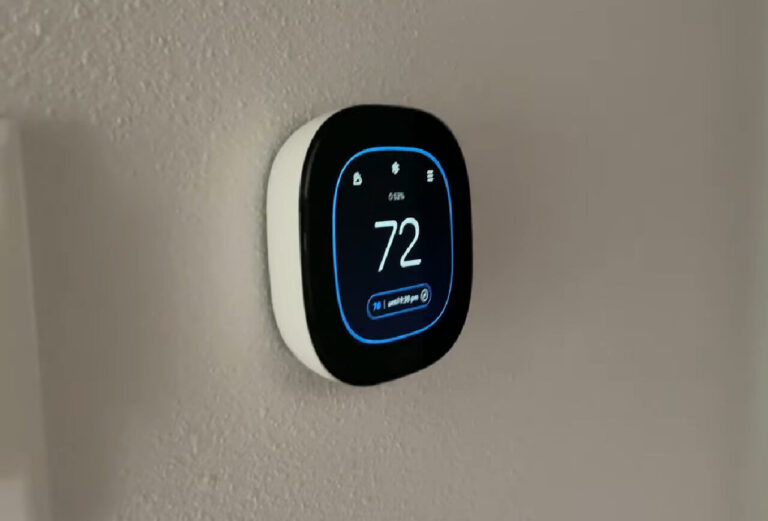
Smart Thermostat systems are widely promoted as modern solutions for lowering heating and cooling bills.
Marketing often presents a smart thermostat as an effortless upgrade that manages comfort automatically while cutting energy waste. Many companies claim annual savings between 8-26% when tools like learning schedules and geofencing are fully activated.
Real-life results, however, vary greatly. Some households see noticeable reductions after installing the device, while others experience almost no change in utility costs. Financial outcomes depend on correct setup, consistent usage, and realistic expectations.
Smart thermostat technology can reduce expenses, but poor configuration or inflated promises often limit the benefit.
Let us check it out.
The Assumption That “Smart” Automatically Means Efficient
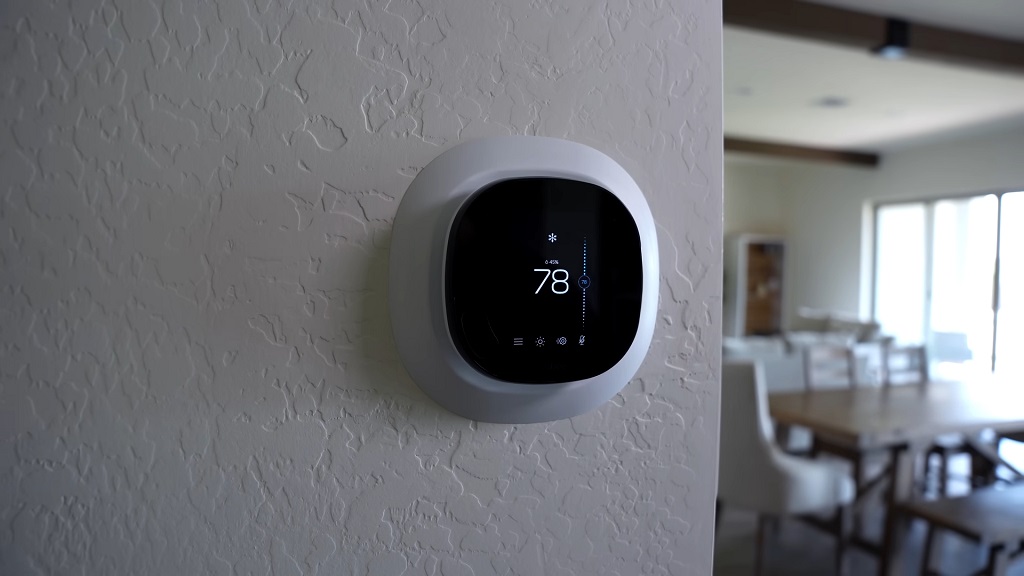
Many homeowners expect instant savings after installing a smart thermostat. Advertising often suggests that automation alone will lower monthly bills, creating the impression that energy use drops immediately without any effort or habit changes.
Smart thermostat technology often gets treated as a plug-and-play solution, even though real efficiency depends on user involvement and correct configuration.
Convenience can actually lead people to stop thinking about temperature management entirely. Instead of reviewing settings, adjusting schedules, or tracking energy use, some homeowners assume the device will handle everything automatically.
Savings rarely happen without participation, because automation still needs guidance to match real household patterns.
Default settings often keep a smart thermostat operating much like a traditional thermostat. Energy-saving tools may remain inactive because many people never open the advanced settings menu or complete the setup process fully.
Energy consumption remains nearly the same when these options stay off. In many homes, installation alone changes very little because the system continues running at comfort levels throughout the day.
Savings require active involvement. Proper scheduling, feature activation, and regular monitoring make the difference between real efficiency and simple convenience.
Smart thermostat devices can support cost reduction, but only when homeowners treat them as tools that require ongoing input rather than automatic solutions.
Misleading Savings Claims and Ideal-Condition Testing
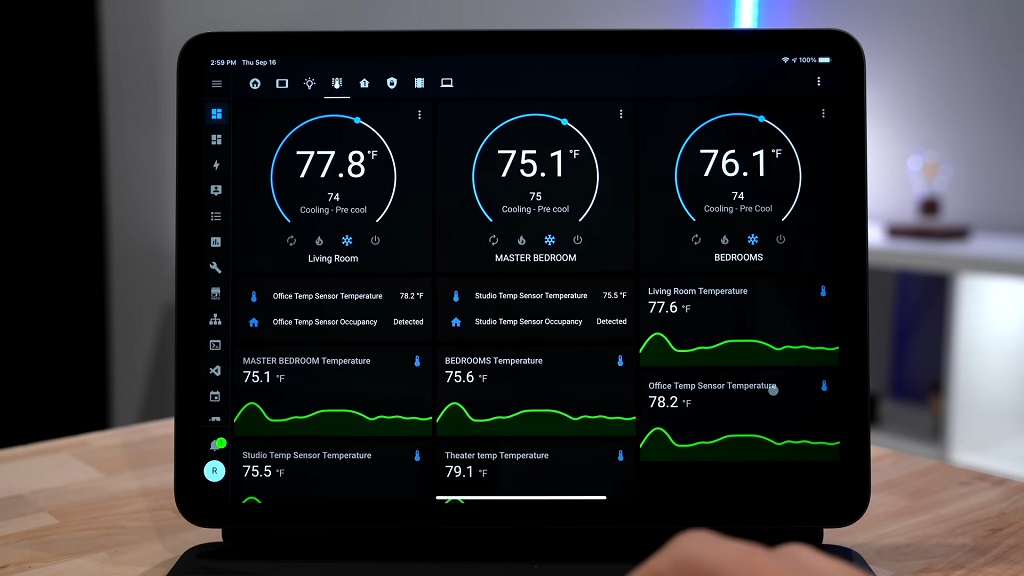
The manufacturers frequently advertise savings numbers that sound highly convincing. Marketing often promotes reductions such as:
- 10-12% savings on heating costs
- 15% savings on cooling expenses
- up to 26% yearly savings with advanced models
Numbers like these usually come from controlled testing conditions, not everyday household routines. Real homes include changing schedules, unpredictable occupancy, and varying comfort preferences.
Reports have shown that savings do not always appear once devices are used in normal situations.
Performance depends heavily on consistent behavior and long-term engagement. Without stable habits, projected percentages often remain theoretical rather than practical.
Behavioral Rebound Effect
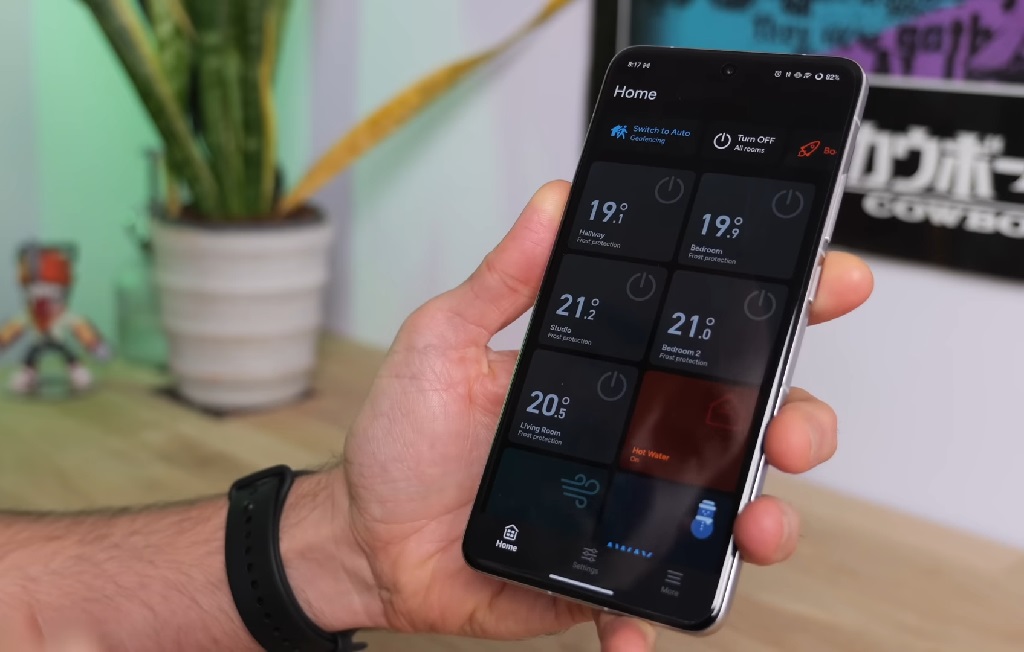
Smart Thermostat convenience sometimes increases energy use instead of lowering it. Remote access creates constant control, letting homeowners adjust temperatures instantly through a phone app.
Extra flexibility often encourages comfort-based decisions rather than cost-based ones.
Many users begin interacting with their heating and cooling system more frequently once adjustments feel effortless. Instead of allowing temperature setbacks to work naturally, people may override them repeatedly.
- raising the heat early before arriving home, even if the house was already warming up
- lowering cooling temperatures further during summer afternoons for extra comfort
- keeping systems running longer instead of allowing scheduled setbacks
Actions like these often erase efficiency gains. Learning functions may also adapt toward comfort preferences instead of cost-saving limits. Increased convenience can lead to higher baseline temperatures in winter or lower ones in summer, both of which drive energy use upward.
Greater control can easily translate into greater consumption when comfort becomes the priority instead of restraint.
Learning Algorithms That Learn the Wrong Things
Smart Thermostat learning systems depend on predictable routines. Devices track household patterns, noting when people wake up, leave, return, and go to sleep.
Algorithms then build automated schedules based on repeated behavior. Efficiency improves only when routines stay steady over time.
Irregular work hours, frequent travel, guests, or shifting daily schedules can confuse smart thermostat automation. Devices may assume comfort settings are needed more often than they actually are.
- heating an empty home because the system expects someone to return early
- maintaining comfort settings all day during unpredictable remote work schedules
- reacting to temporary guest activity as if it were a permanent routine
Heating or cooling empty spaces increases waste, especially when systems operate during long unoccupied stretches.
Stable schedules produce better results, while unpredictable lifestyles can make learning features less efficient than manual programming.
Poor Installation and HVAC Compatibility Issues
The performance also depends on installation quality. Many models require a C-wire or professional configuration to operate fully.
Without correct wiring, power delivery may become unstable, limiting features like continuous learning, sensors, or advanced connectivity.
Older HVAC systems may not match newer designs. Compatibility problems can cause short cycling, where equipment runs in rapid on-and-off bursts instead of smooth, longer cycles.
- uneven indoor temperatures caused by poor system coordination
- wasted runtime from frequent cycling instead of efficient operation
- incorrect readings that trigger unnecessary heating or cooling
An incorrect setup can turn a smart thermostat efficiency upgrade into an added expense, especially when HVAC strain increases maintenance costs over time.
Overheating, Overcooling, and Micro-Adjustments
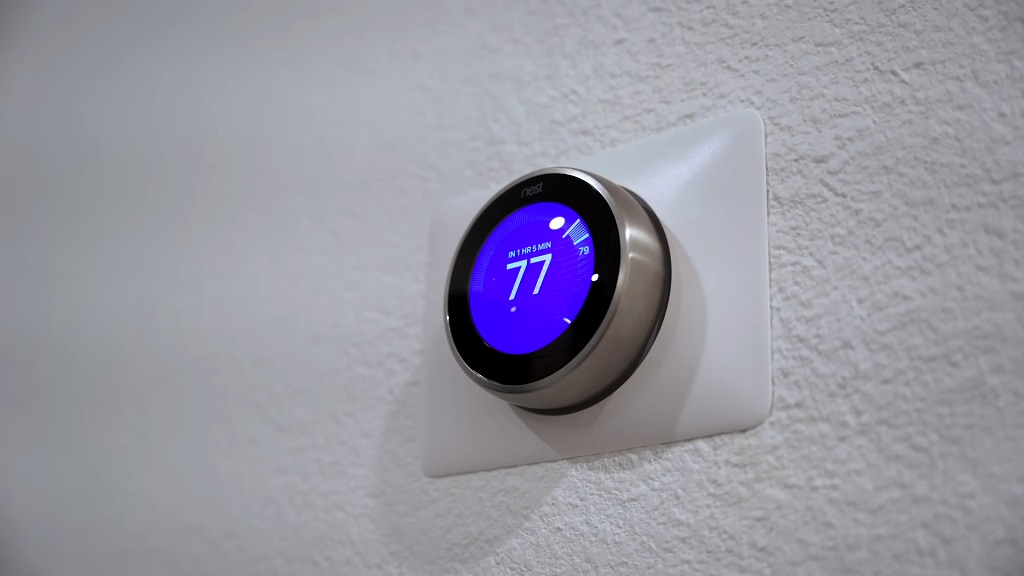
Smart thermostat sensors and predictive tools are designed to fine-tune comfort, but excessive adjustments can increase energy usage. Small temperature changes can trigger heating or cooling cycles even when no one is home, creating unnecessary runtime across the day.
Weather integration and anticipatory controls in a smart thermostat can extend system operation if settings are misconfigured. Predictive features may start warming or cooling too early, running longer than needed.
Minor fluctuations add up over time, pushing systems to run more frequently than a simple programmed thermostat would. Over-adjustment may create higher demand compared with basic schedules that operate in fewer, more efficient cycles.
In Conclusion
In the end, smart thermostats can reduce costs, but results depend on thoughtful setup and consistent habits. Eco features must be enabled, schedules need to match real routines, and homeowners should monitor smart thermostat performance instead of relying blindly on automation.
Passive installation rarely guarantees savings. Cost reduction comes through proper configuration, steady usage, and realistic expectations that align the technology with everyday life.