
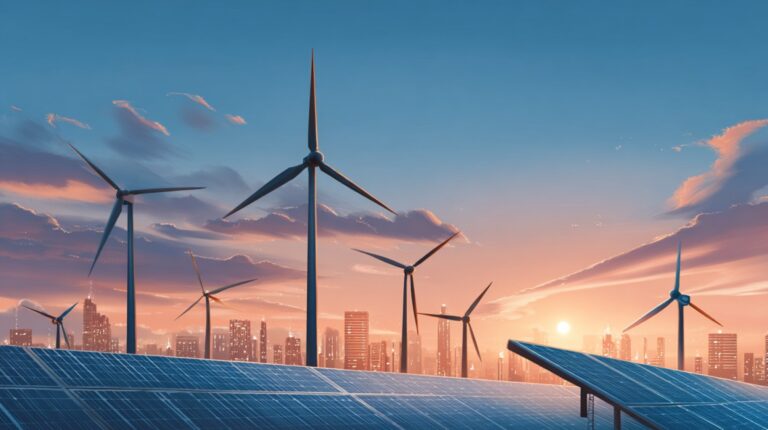
Rising electricity costs and growing concern about climate change push many homeowners to look for renewable energy options.
Two technologies commonly considered are solar panels and rooftop wind turbines. Both systems generate electricity without burning fossil fuels.
Practical differences between these systems affect how suitable they are for residential properties. Installation complexity, cost, maintenance, reliability, and local environmental conditions all influence performance.
Research indicates solar energy works better for most homes, while rooftop wind turbines are more common in large wind farms or rural properties with strong wind resources.
With that in mind, let us go through the differences between solar panels and rooftop wind turbines.
How Each Technology Works
Residential renewable energy systems rely on different natural resources to generate electricity. Solar power relies on sunlight, while rooftop wind turbines rely on moving air.
Basic operating principles determine how each system produces electricity, how consistently energy is generated, and what conditions are required for reliable performance.
Solar technology uses semiconductor materials that react to sunlight. Wind systems rely on mechanical rotation caused by air movement. Mechanical complexity, required equipment, and installation design differ significantly between these two technologies.
Solar Panels
Solar panels generate electricity using photovoltaic cells. Sunlight contains particles of energy called photons. When these photons strike semiconductor materials inside a photovoltaic cell, electrons begin moving and create an electrical current.
Electricity produced through photovoltaic conversion is direct current. Residential homes operate on alternating current. Power electronics are therefore required to convert electricity into a usable form.
Conversion process occurs through an inverter, which changes direct current into alternating current before electricity flows into the household electrical panel. Inverters also regulate voltage and ensure compatibility with utility grid standards.
Modern residential solar installations contain several important system components.
Rooftop placement allows panels to receive direct sunlight for most of the day. Roof orientation and tilt angle influence total energy production. South-facing roofs in the United States typically produce the highest electricity output.
Average residential systems are designed to offset annual household electricity demand. Typical U.S. household electricity consumption reaches approximately 11,000 kilowatt-hours per year.
Grid-connected solar installations can also deliver electricity back into the utility network during periods of surplus production.
Net metering programs allow homeowners to receive energy credits. Credits offset electricity consumption during nighttime hours or cloudy weather when solar output decreases.
Rooftop Wind Turbines
Rooftop wind turbines generate electricity using kinetic energy present in moving air. Wind flows across turbine blades and creates aerodynamic lift similar to airplane wings. Lift forces cause the blades to rotate around a central hub.
Rotational movement transfers mechanical energy through a shaft connected to a generator. A generator converts mechanical rotation into electrical energy that can power residential electrical systems.
Residential wind systems are often larger and heavier than many homeowners expect. Size requirements exist because stronger and more stable wind speeds occur at higher elevations above ground.
Large blade diameters allow turbines to capture more moving air and increase energy production. A greater swept area improves electricity output when wind speeds are sufficient.
Wind turbines operate efficiently only within a certain wind speed range. Very low wind speeds produce little electricity. Extremely high wind speeds may require turbines to shut down for safety.
Local wind resources strongly influence system performance. Average annual wind speed, terrain conditions, and surrounding structures determine energy production potential.
Airflow patterns near buildings create turbulence. Turbulence disrupts steady airflow and reduces turbine efficiency.
Cost Comparison
Financial considerations play a major role in residential renewable energy decisions. Installation cost, maintenance expenses, and expected savings determine how quickly a system can recover its initial investment.
Solar technology has experienced substantial price reductions during the past decade. Wind systems remain more expensive due to structural requirements and mechanical complexity.
Upfront Costs
Installation costs for solar systems have fallen due to improvements in manufacturing and increased global production. Greater competition among installers has also reduced system prices.
Average residential solar installations currently cost about $2.86 per watt of generating capacity.
- Typical system size: 10 kilowatts
- Average installation price: approximately $27,300 before incentives
- Expected electricity production: designed to offset household consumption near 11,000 kWh annually

Federal and state incentive programs can reduce initial expenses. Tax credits, rebates, and performance incentives improve affordability in many regions.
Small wind systems typically involve much higher installation costs. Structural towers, heavy equipment, and specialized installation procedures increase expenses significantly.
- Cost per kilowatt of capacity ranges between $3,000 and $5,000
- Small systems may cost between $15,000 and $75,000
- Some installations exceed $100,000 once towers, permits, and grid connections are included
Tower construction alone can represent a significant portion of the total system cost. Foundations, crane equipment, and structural engineering requirements increase installation complexity.
Maintenance Costs
Maintenance requirements differ significantly between solar systems and rooftop wind turbines due to mechanical complexity.
Solar panels operate without moving parts. Lack of mechanical motion reduces wear and extends system lifespan. Maintenance tasks are relatively simple.
- Occasional cleaning to remove dust, pollen, or debris
- Periodic inspections of electrical wiring and mounting hardware
- Inverter replacement after roughly 10 to 15 years of operation
Long service life and minimal maintenance contribute to predictable operating costs for solar installations.

Rooftop wind turbines contain multiple moving parts. Continuous rotation places stress on mechanical components such as bearings, shafts, and blade connections.
- Lubrication of moving mechanical components
- Inspection of blade condition and structural integrity
- Replacement of worn bearings or electrical components
Mechanical repairs and part replacements increase long-term operating expenses. Maintenance costs must be considered when evaluating financial performance of wind installations.
Payback and Long-Term Savings
Energy savings determine how quickly renewable energy systems recover installation costs. Electricity generated by residential systems reduces reliance on utility power.
Solar installations often provide predictable long-term financial benefits. Stable sunlight patterns allow accurate estimation of annual energy production.
- Electricity bill reductions lasting 25 years or longer
- Gradual payback of installation costs through energy savings
- Potential lifetime savings reaching tens of thousands of dollars
Rooftop wind turbines can also generate financial savings in locations with strong wind resources. Energy production varies significantly due to fluctuating wind patterns.
Variable wind conditions create uncertainty in long-term electricity generation. Payback periods for residential wind systems can therefore vary widely.
Energy Production and Efficiency
@fifthwallvc Solar vs. wind, who’s more efficient? #solarpanels #windturbines #fifthwall ♬ Palms And Memories – BLVKSHP
Electricity output depends on how effectively renewable systems convert natural resources into usable power. Sunlight intensity and wind speed determine the amount of energy produced by solar panels and rooftop wind turbines.
Consistency of energy production is another major factor in residential renewable energy performance.
Solar Panel Output
Solar panels generate electricity whenever sunlight reaches photovoltaic cells. Maximum output typically occurs during midday when sunlight intensity reaches its peak.
Performance levels gradually decline over long operating periods, but modern systems remain effective for decades.
- Operational lifespan typically ranges between 25 and 30 years
- Annual production often aligns closely with household electricity consumption
- Efficiency declines slowly over time, usually less than one percent per year
Sunlight patterns follow predictable daily and seasonal cycles. Predictable solar exposure allows installers to estimate expected electricity generation with reasonable accuracy.
Weather conditions such as cloud cover temporarily reduce output. Long-term solar potential remains stable due to regular seasonal sunlight patterns.
Wind Turbine Output
Wind turbines produce electricity whenever wind speeds exceed the turbine’s minimum operating threshold. Stronger wind speeds produce greater mechanical rotation and higher electrical output.
Energy production can vary significantly depending on wind conditions at the installation site.
Ideal conditions allow a residential wind turbine rated at 15 kilowatts to produce substantial electricity annually.
- Maximum potential output approaching 45,000 kilowatt-hours per year
- Average capacity factor near 17 percent for small wind turbines
- Actual production often lower due to changing wind speeds
Capacity factor represents the percentage of maximum theoretical output achieved during real operation. Lower capacity factors occur when wind speeds remain inconsistent.
Reliability of Energy Output
Energy reliability refers to how consistently a renewable system produces electricity during normal operation.
Solar energy production is relatively predictable because sunlight follows regular patterns. Seasonal changes alter production levels but remain consistent over time.
Rooftop wind turbines experience larger fluctuations in electricity generation. Wind speed varies depending on weather systems, terrain features, and nearby structures that disrupt airflow.
Both solar panels and rooftop wind turbines depend on natural environmental conditions. Intermittent generation means electricity production does not occur continuously throughout the day.
Grid connections, battery storage systems, or backup power sources often complement renewable energy installations to ensure consistent electricity availability.
Installation Requirements
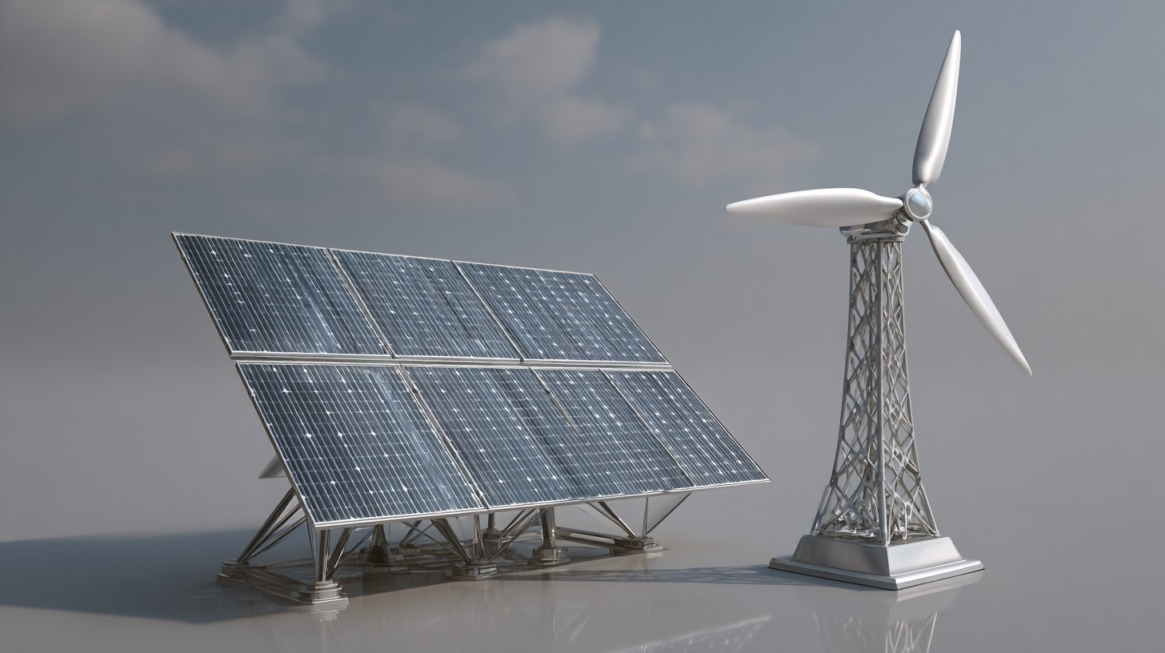
Physical installation requirements influence how practical renewable systems are for residential properties. Structural support, local environmental conditions, and permitting requirements affect both solar panels and rooftop wind turbines.
Solar installations generally require less space and fewer structural modifications. Wind systems often require larger structures and more complex permitting processes.
Solar Panels
Rooftop solar installations work effectively on homes with adequate sunlight exposure. Roof angle, orientation, and shading influence total electricity production.
Most residential installations include a combination of structural and electrical components.
Installation process is usually quick once permits are approved. Physical installation typically requires one to three days.
Local permitting, inspections, and utility approvals may extend the timeline before system activation.
Solar panels can also influence real estate value. Research indicates homes equipped with solar systems often sell at higher prices compared with similar homes without renewable energy systems.
Rooftop Wind Turbines
Rooftop wind turbines require specific environmental conditions to generate electricity efficiently. Wind speed, terrain features, and building density influence installation feasibility.
Open rural properties generally provide stronger and more consistent wind currents than suburban neighborhoods.
Airflow disturbances near buildings reduce turbine performance. Turbulence decreases energy production and increases mechanical stress.
Many residential wind systems therefore rely on tall towers rather than direct rooftop mounting. Elevated towers allow turbines to reach smoother wind currents higher above ground.
Installation challenges often involve local regulatory restrictions.
Limited suitable locations and permitting challenges make rooftop wind turbines more difficult to install compared with solar systems.
Environmental and Practical Considerations
View this post on Instagram
Renewable energy technologies provide environmental advantages compared with fossil fuel electricity generation.
Practical considerations such as noise, visual impact, and equipment durability also influence the adoption of rooftop wind turbines and solar systems.
Environmental Impact
Solar panels and rooftop wind turbines produce electricity without generating greenhouse gas emissions during operation. Renewable energy helps reduce reliance on coal, natural gas, and other fossil fuel power sources.
Households that adopt renewable electricity systems can significantly reduce their carbon footprint. Reduced fossil fuel consumption contributes to lower atmospheric carbon emissions.
Noise and Aesthetic Impact
Solar panels operate silently. Low-profile installations integrate relatively smoothly with residential rooftops.
The visual appearance of solar panels is generally unobtrusive. Modern designs often align closely with roof surfaces and maintain a streamlined look.
Rooftop wind turbines introduce more noticeable visual and acoustic effects. Rotating blades produce mechanical noise as they pass through the air.
Sound levels vary depending on turbine design, wind speed, and distance between the turbine and nearby homes.
Visual presence of large rotating blades may also affect neighborhood acceptance. Local residents sometimes express concerns about noise levels and visual changes in the surrounding environment.
Durability and Weather Resistance
Solar panels are designed to withstand harsh environmental conditions. Durable materials protect panels against heavy rain, hail, snow accumulation, and strong winds.
Protective glass layers and reinforced frames allow solar modules to remain operational for decades.
Rooftop wind turbines operate under continuous mechanical stress due to constant blade rotation. Mechanical components experience repeated loading as wind speed changes.
Durable construction helps turbines withstand strong winds and harsh weather. Rotating components eventually require maintenance due to normal mechanical wear.
Higher mechanical stress levels increase maintenance requirements compared with solar installations. Proper maintenance ensures safe and efficient operation during long-term use of rooftop wind turbines.
Summary
Solar panels and rooftop wind turbines both offer renewable energy solutions for homeowners seeking energy independence.
Clean electricity generation reduces environmental impact and lowers reliance on traditional utility power.
Cost, installation complexity, and reliability strongly influence technology choice. Solar energy systems provide predictable performance, relatively low maintenance, and decreasing installation costs.
Rooftop wind turbines can produce significant electricity in locations with strong and consistent wind resources.