
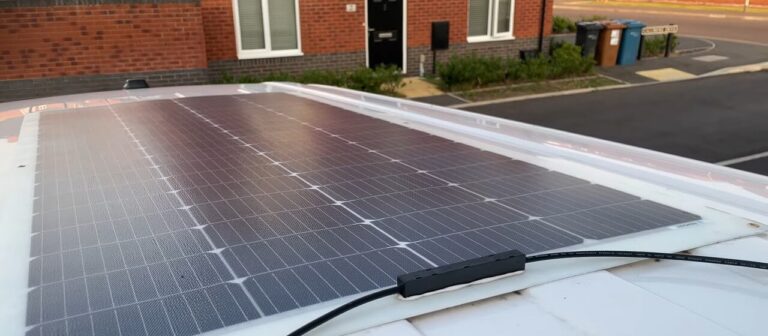
Off-grid travel and van living have grown quickly, with more people aiming for independence on the road. Solar energy plays a major role in that shift, and portable systems have gained attention in recent years.
Foldable solar panels attract van owners because they are easy to move, simple to store, and require no permanent mounting.
Panels can be placed on the ground, adjusted toward sunlight, and packed away when driving. Many travelers like the flexibility of setting panels away from the vehicle, especially when parking in shaded areas.
Main question remains straightforward: can foldable solar panels realistically support off-grid van living on their own?
How Much Power Does Van Life Require?
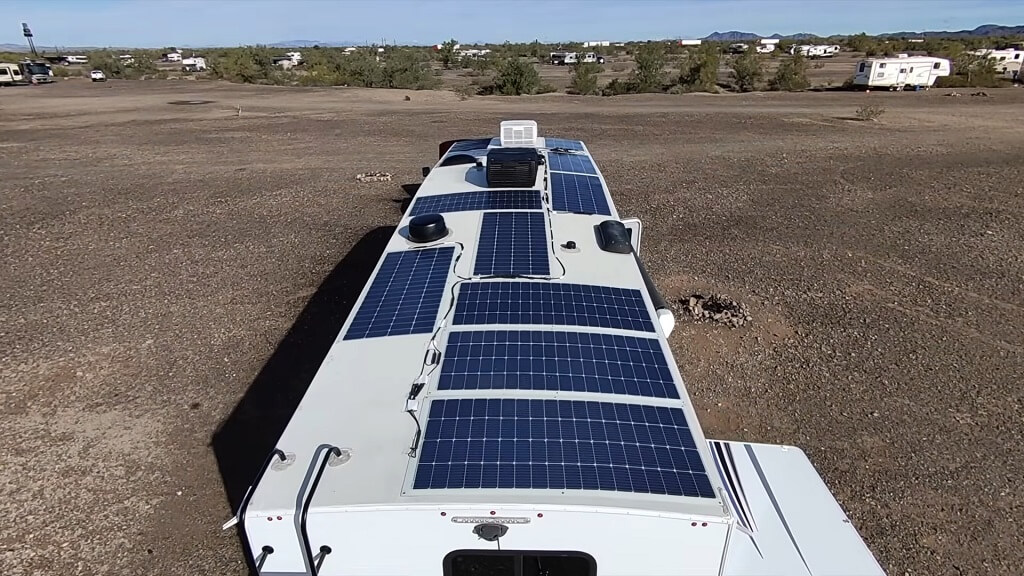
Energy planning matters before installing foldable solar panels in any van setup. Daily electrical demand depends heavily on how a van is equipped, how often devices run, and how many comfort features are included.
Power needs can range widely between a weekend camper and a full-time off-grid home on wheels.
Watt-hours (Wh) serve as the most reliable measurement for estimating consumption. Every appliance draws electricity over time, so adding up daily watt-hour totals creates a clearer picture of how much energy solar panels must produce.
Daily usage often includes several common categories, and typical van systems usually fall into three broad levels. Each level changes the amount of solar capacity required.
Energy needs in minimalist setups often stay limited to smaller essentials such as:
- LED lighting during evenings
- Phone charging and basic electronics
- Small fans or ventilation devices
Moderate full-time living introduces more consistent daily loads. Foldable solar panels in these systems often support appliances such as:
- 12V refrigerators running all day
- Laptops for remote work
- Water pumps for sinks or showers
- Regular charging of cameras, tablets, and power banks
High-demand electrical builds require much more energy. Larger off-grid vans may depend on equipment that draws heavy wattage, including:
- Electric cooking devices
- Air conditioning systems
- Large entertainment setups
- Power tools for work or construction use
Solar production also depends on multiple environmental conditions. Average daily sun hours often sit around 5 to 6 in ideal settings, but real output shifts based on location, season, and weather. Cloud cover, shading, and poor sun angle can cut production significantly.
Sizing foldable solar panels often follows a simple calculation method. Daily watt-hours are divided by available sun hours, then extra capacity is added to account for inefficiency and unavoidable energy losses.
How Do Foldable Solar Panels Work?
Foldable solar panels refer to portable solar systems designed for temporary use rather than permanent roof installation. Many are built in briefcase-style formats that fold into compact shapes, making storage easier inside a van.
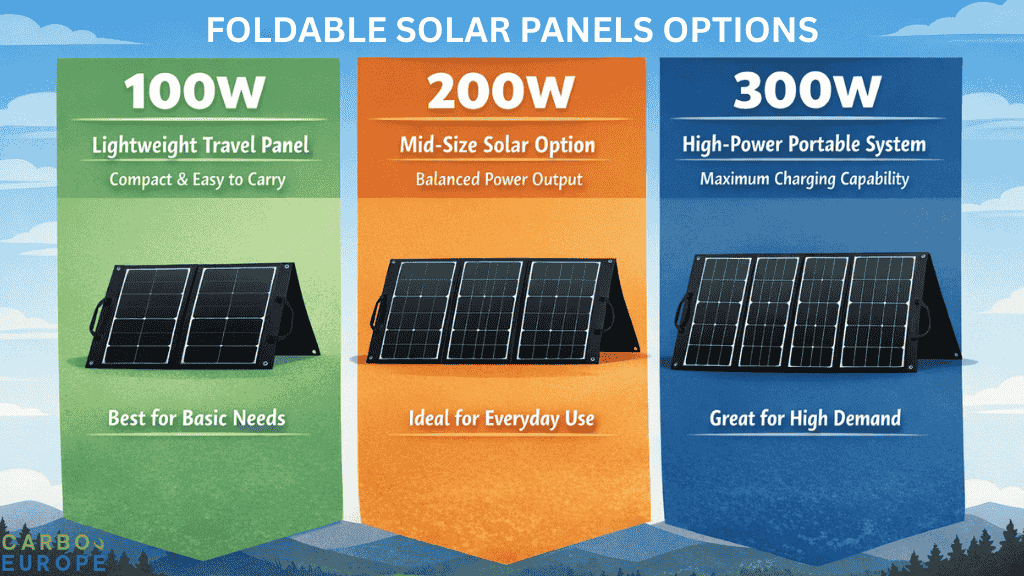
Portable panels usually fall within a practical wattage range, and most commonly available models include:
- 100W lightweight travel panels
- 200W mid-size options for moderate energy needs
- 300W larger portable systems for stronger charging potential
Foldable solar panels are often paired with charge controllers or portable power stations. Setup usually involves placing panels on the ground during stops, then repositioning them as the sun shifts.
Manual deployment defines the key difference compared with fixed roof panels. Roof-mounted systems generate power automatically once installed, while foldable solar panels require daily setup, frequent movement, and attention throughout the day.
Portability creates valuable flexibility, especially when parking conditions limit roof exposure. Panels can be placed away from the van to reach direct sunlight even if the vehicle remains in partial shade.
Battery Storage and Its Importance
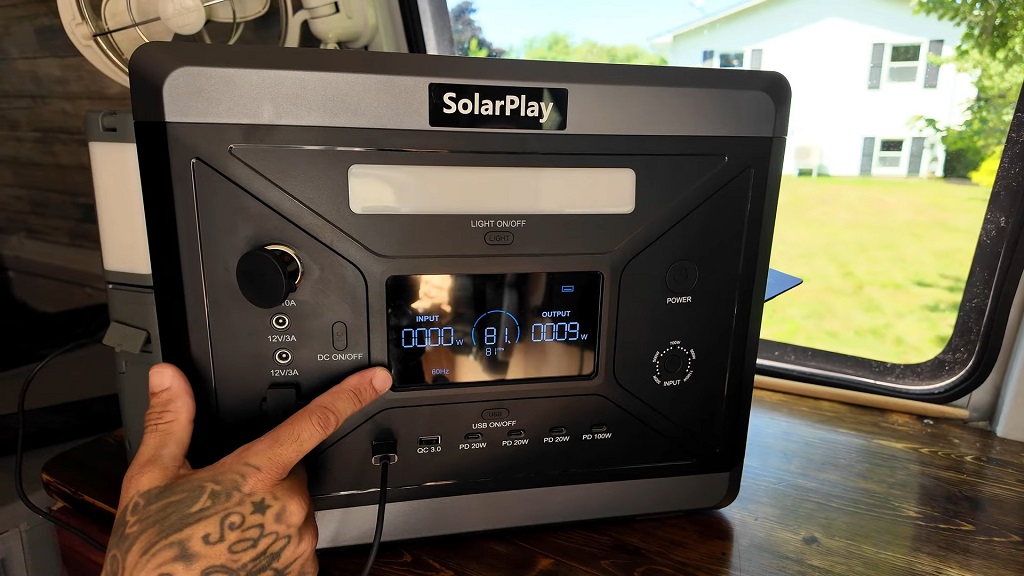
Foldable solar panels work as charging tools rather than direct power sources for van appliances. Electricity produced during the day must be collected and stored, since power demand continues after sunset and during low-sun conditions.
Without storage, solar energy becomes available only in short bursts instead of providing steady support.
Battery banks form the base of every off-grid electrical system. Energy gathered through foldable solar panels flows into the battery first, then appliances draw power from that stored supply.
Strong panel output alone is not enough if storage capacity cannot hold sufficient energy for nighttime use or extended cloudy periods.
Reliable van living depends on having batteries sized correctly for daily routines. Even small devices such as lights and chargers add up over time, and larger systems like refrigerators require constant stored power.
Two main battery categories dominate portable solar setups.
Most van systems rely on options such as:
- AGM batteries, often chosen for their lower upfront cost, are known for added weight and reduced usable capacity
- Lithium batteries like LiFePO₄, valued for longer lifespan, lighter construction, and deeper discharge potential
Battery choice affects not only performance but also how efficiently foldable solar panels can recharge the system. Lithium batteries accept faster charging and handle repeated cycles better, making them common in full-time builds.
Battery performance depends on keeping three factors in balance: total panel wattage, battery bank capacity, and daily electrical demand.
Foldable solar panels may generate solid daytime energy, but limited storage can restrict how much of that energy remains available later.
Situations that often expose storage weaknesses include:
- Overnight power needs for refrigerators and ventilation
- Multiple cloudy days with reduced charging input
- High-draw devices that drain batteries quickly
A large solar array cannot help much if battery capacity is too small to store the collected power. At the same time, a large battery bank cannot stay charged if foldable solar panels cannot provide enough daily input to refill it.
Storage limitations frequently become the main bottleneck in portable solar setups. Consistent off-grid living depends not only on panel wattage but also on having enough battery reserve to carry energy through low-sun conditions and heavy usage periods.
Can You Live Off Foldable Solar Panels Alone?
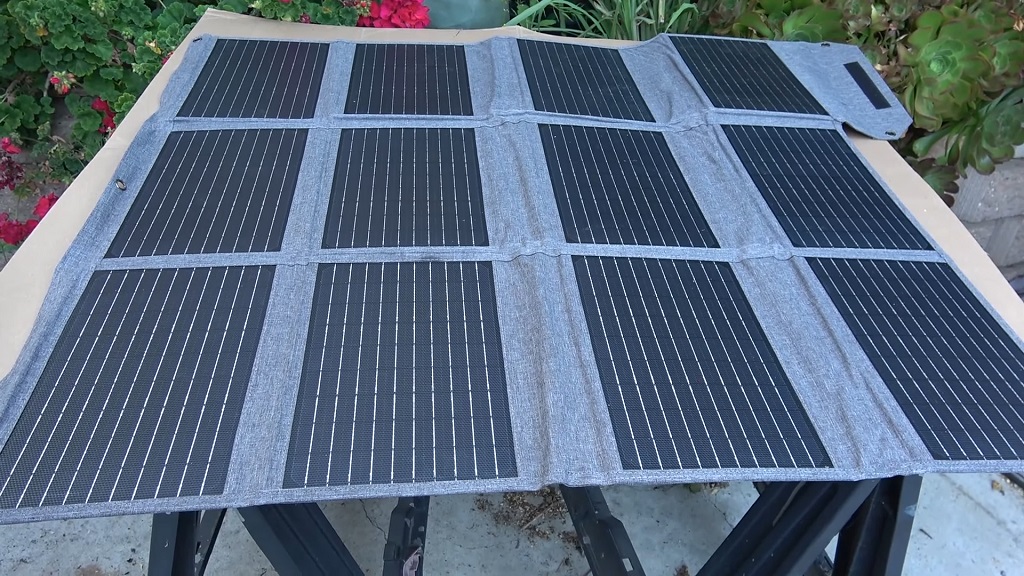
Foldable solar panels can support van life successfully in certain conditions, especially when energy use remains low and travel patterns allow consistent sun exposure.
Minimalist setups often succeed because consumption stays limited to small devices. Many travelers living simply can rely on foldable solar panels for daily needs such as lighting, phone charging, and basic electronics.
Part-time van living and short trips also match portable solar well. Backup options are often available, including alternator charging or campground hookups.
Supplemental charging remains one of the most common approaches. Many van owners combine these solar panels with:
- Alternator charging while driving
- Shore power connections when available
- Roof-mounted solar for passive daily input
Challenges appear once electrical demand increases. Full-time living with refrigerators, laptops, and consistent daily appliance use stretches portable solar capacity quickly.
High-draw appliances create even bigger limits. Electric cooking devices or air conditioning systems can exceed what most foldable solar panels can realistically provide.
Extended cloudy weather or winter travel reduces sun hours and weakens charging consistency. Portable systems work best in strong sunlight, and reduced seasonal output can make standalone reliance difficult.
Closing Thoughts
As you can see, solar panels can support van living, but limits exist. Portable systems work best for light electrical needs, flexible travel schedules, and short off-grid periods.
Strength comes through mobility, easy positioning, and simple storage. Limitations include lower total surface area, inconsistent output, and reliance on good weather.
Best results come when expectations match realistic energy production.
Foldable solar can succeed for certain lifestyles, but often functions best as part of a broader charging solution rather than the only power source.