

Oil extraction covers plant-based oils used in food and cosmetics as well as petroleum-derived oils used in energy and industry.
Demand for sustainable methods continues to grow due to environmental degradation and climate change concerns. Conventional extraction processes require significant resources and often generate pollution, creating pressure for cleaner alternatives.
Green chemistry and cleaner technologies are gaining attention as industries seek safer and more efficient approaches.
Development of improved extraction processes plays an important role in aligning industrial activity with environmental responsibility.
Environmental Impacts of Conventional Oil Extraction
Conventional oil extraction methods continue to support large-scale industrial demand, yet these processes carry significant environmental and health consequences.
Widespread reliance on chemical solvents, energy-intensive operations, and disruptive extraction practices has created long-term ecological and societal concerns.
Use of Harmful Solvents

Hexane remains the dominant solvent in seed oil extraction due to its efficiency and cost-effectiveness. Despite these advantages, serious environmental and health issues are associated with its use.
Classification as a volatile organic compound leads to emissions that contribute to air pollution and smog formation.
Occupational exposure raises concerns due to its neurotoxic effects, particularly in poorly ventilated industrial settings.
Multiple risks linked to hexane use can be outlined as follows:
- Release of volatile organic compounds during processing contributes to atmospheric pollution
- Prolonged exposure may result in neurological damage among workers
- Residual traces can remain in extracted oils, raising product safety concerns
- Environmental persistence increases risk of contamination in surrounding ecosystems
Regulatory pressure continues to intensify, particularly in United States food and cosmetic industries.
Restrictions and safety standards are pushing manufacturers toward alternative solvents and cleaner extraction techniques.
High Energy Consumption
Energy demand remains a major drawback in traditional oil extraction systems.
High temperatures and extended processing durations are required to maximize oil recovery.
Such conditions lead to increased greenhouse gas emissions due to reliance on fossil fuel-based energy sources.
Negative outcomes associated with high energy use include:
- Elevated carbon dioxide emissions contributing to climate change
- Increased operational costs tied to prolonged heating and processing
- Thermal degradation of sensitive nutrients such as vitamins and antioxidants
- Reduced quality of final oil products due to heat exposure
Processing inefficiencies further compound environmental stress, as longer extraction cycles consume additional energy without proportional gains in yield.
Ecological Damage in Petroleum Extraction
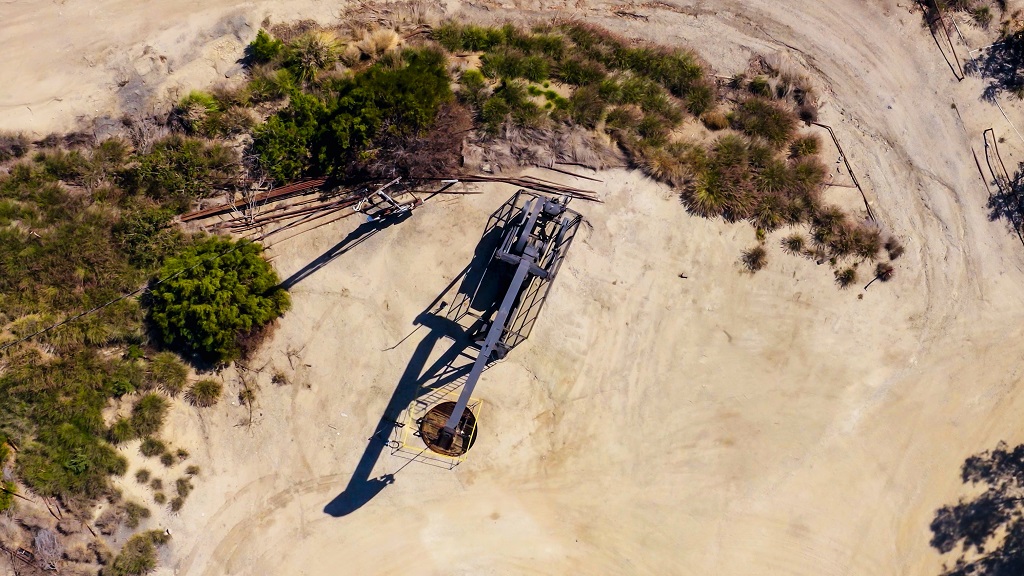
Petroleum extraction introduces extensive environmental disruption across multiple ecosystems.
Drilling operations alter land structure and often require removal of vegetation, leading to habitat loss.
Accidental releases of crude oil present long-term contamination risks for soil and aquatic systems.
Major environmental impacts can be detailed through key examples:
- Oil spills lead to widespread contamination of marine and terrestrial ecosystems
- Methane emissions and gas flaring release potent greenhouse gases into the atmosphere
- Wastewater generated during drilling contains toxic substances that require complex treatment
- Land degradation reduces biodiversity and disrupts natural ecological balance
Long-term consequences often persist even after extraction activities end, requiring extensive remediation efforts.
Sustainability in Oil and Gas Extraction
Oil and gas industries, including companies such as G2 Petroleum Texas, are adopting improved technologies to reduce environmental impact
Carbon Management
Carbon management strategies aim to limit greenhouse gas emissions associated with fossil fuel extraction.
Technologies are being implemented to capture and store carbon dioxide before it enters the atmosphere.
Key approaches include:
- Carbon capture and storage systems that reduce atmospheric CO₂ release
- Methane leak detection technologies that identify and prevent emissions
- Reduction of gas flaring through improved utilization of extracted gases
Water and Waste Management
Water management remains a critical issue in oil and gas extraction.
Large volumes of water are used and generated during drilling and processing operations.
Improvements focus on:
- Recycling produced water to reduce freshwater consumption
- Use of closed-loop systems to prevent environmental contamination
- Advanced treatment methods to handle wastewater safely
Reduced Land Impact
Advancements in drilling techniques help limit environmental disruption.
Directional and horizontal drilling reduce the need for multiple surface installations.
Benefits include:
- Smaller operational footprints that preserve surrounding ecosystems
- Reduced land clearing and habitat destruction
- Lower visual and environmental impact of extraction sites
Green Chemistry Applications

Green chemistry principles are being applied to reduce reliance on hazardous chemicals in extraction processes.
Development of safer materials improves environmental and occupational safety.
Areas of progress include:
- Use of non-toxic drilling fluids and additives
- Reduction in hazardous chemical usage during operations
- Improved handling and disposal of chemical substances
Advanced Sustainable Oil Extraction Techniques
Technological advancements continue to reshape oil extraction processes. New methods focus on improving efficiency while reducing environmental harm.
Mechanical Extraction Methods
Mechanical extraction methods such as cold pressing and expeller pressing eliminate the need for chemical solvents.
Simplicity and safety make these techniques attractive in organic and clean-label industries. Preservation of natural antioxidants and nutrients enhances oil quality.
Operational characteristics of mechanical extraction include:
- Use of physical pressure to release oil without chemical involvement
- Retention of bioactive compounds due to low processing temperatures
- Reduced environmental impact compared to solvent-based methods
Limitations remain significant, particularly in terms of extraction efficiency. Residual oil often remains in the seed cake, reducing total yield. Secondary extraction methods are frequently applied to recover remaining oil.
Supercritical CO₂ Extraction
Supercritical carbon dioxide extraction uses CO₂ at high pressure and moderate temperature to achieve efficient oil separation.
Carbon dioxide acts as a solvent under these conditions while maintaining non-toxic and non-flammable properties.
High capital investment and operational complexity limit adoption primarily to high-value products such as cosmetics and nutraceutical oils.
Aqueous and Enzymatic Extraction
Aqueous and enzymatic extraction methods rely on water and biological catalysts to release oil from plant structures.
Enzymes break down cell walls, improving accessibility of oil within plant matrices.
Important process benefits include:
- Significant reduction in petrochemical solvent use
- Generation of protein-rich by-products suitable for food and feed applications
- Safer wastewater profile compared to conventional chemical extraction
Efficiency depends on enzyme selection and process optimization, requiring careful control of operating conditions.
Green Solvent Extraction
Green solvent extraction replaces traditional solvents with safer and renewable alternatives.
Ethanol remains a widely used option due to its compatibility with food and cosmetic applications.
Bio-based solvents such as terpenes and ethers provide additional options.
Challenges remain in solvent recovery and energy efficiency, as additional processing steps may be required to separate and reuse solvents.
Emerging Technologies Enhancing Sustainability
Emerging technologies focus on improving extraction efficiency while reducing environmental impact.
Integration of physical and non-thermal methods allows faster processing and lower resource consumption.
Combined use of these methods leads to improved yield, reduced solvent use, and lower overall energy demand.
Solvent-Free Innovative Techniques
Recent developments in Canada demonstrate the potential for nearly complete oil recovery without chemical solvents.
Mechanical and physical processes replace traditional solvent-based systems, achieving recovery rates up to 99.9%.
Notable outcomes of these techniques include:
- Elimination of solvent-related emissions
- Reduction in energy consumption compared to conventional extraction
- Production of valuable co-products such as plant proteins
Potential replacement of palm oil production with these methods could reduce pressure on deforestation and support more sustainable agricultural systems.
Benefits of Sustainable Oil Extraction

Adoption of sustainable extraction methods provides advantages across environmental, economic, and social dimensions.
Cleaner processes contribute to reduced ecological impact while improving product quality and operational efficiency.
Environmental improvements can be summarized through several outcomes:
- Lower emissions of greenhouse gases and pollutants
- Reduced dependence on fossil-based chemicals
- Decreased environmental contamination across air, water, and soil
Economic benefits arise through improved efficiency and additional revenue streams generated by co-products such as proteins and biomass.
Long-term cost savings are achieved through reduced energy consumption and waste management requirements.
Product quality improves as sensitive nutrients and bioactive compounds are preserved during processing.
Cleaner extraction methods produce safer oils suitable for food, cosmetic, and pharmaceutical applications.
Social and regulatory advantages include improved worker safety and compliance with stricter environmental standards.
Growing consumer demand for sustainable products further supports widespread adoption of these technologies.
Summary
Sustainable oil extraction plays a critical role in reducing environmental damage associated with traditional methods.
Technologies such as supercritical CO₂ extraction, enzymatic processes, and solvent-free systems provide effective alternatives.
Integration of innovation, policy development, and industry adoption remains essential for large-scale implementation.
Transition toward sustainable practices offers both environmental protection and economic opportunity.