
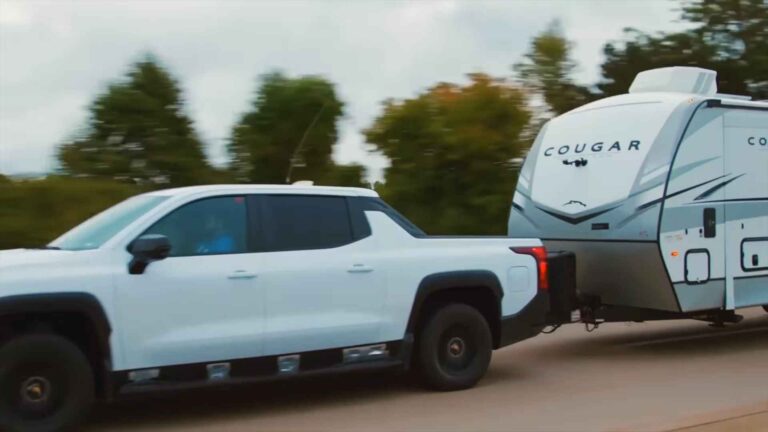
Electric SUVs continue gaining popularity as automakers move toward electrification.
Increasing numbers of drivers now consider battery-powered vehicles for everyday transportation as well as practical tasks that once belonged mainly to gasoline vehicles.
One common question involves towing ability. Many buyers want to know if an electric SUV can pull a:
- trailer
- boat
- camper
Assumptions still exist that electric vehicles lack the strength required for towing.
Modern electric SUVs, however, often produce strong performance thanks to electric motors that generate high torque instantly. Many models offer towing ratings comparable to conventional vehicles in certain situations.
Many electric SUVs already provide practical towing performance for light and moderate loads, especially for shorter trips.
Can You Use an Electric SUV to Tow a Trailer?
Many electric SUVs can tow trailers, caravans, boats, and even other vehicles when manufacturers approve towing capability.
Drivers must remain within that limit to avoid damaging the drivetrain and to maintain safe handling.
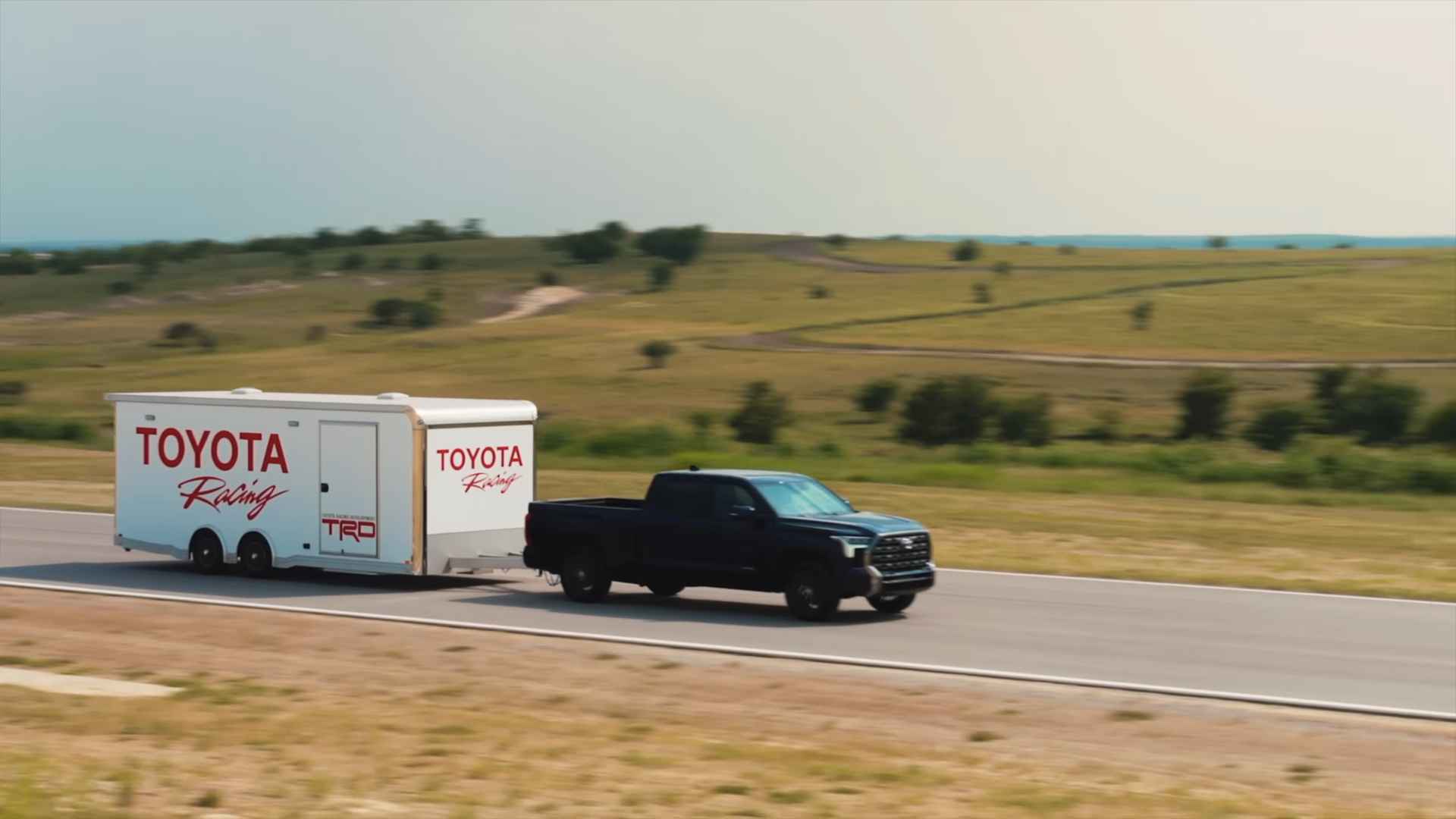
Typical Towing Capacities
Towing capacity varies widely among electric vehicles due to differences in size, battery capacity, and structural design.
Large electric SUVs and pickup-style EVs often include stronger frames, reinforced suspension systems, and larger motors capable of handling heavier loads.
The average braked towing capacity across electric vehicles sits around 1,400 kg. Actual limits vary considerably depending on vehicle design and manufacturer engineering choices.
- Around 300 kg for small electric cars or compact EVs with limited towing support
- Roughly 1,400 kg as an average towing capacity across many EV models
- Up to about 2,500 kg for larger electric SUVs and electric pickup trucks
Higher towing ratings usually appear in vehicles equipped with larger battery packs and stronger drivetrain components. Smaller electric cars often lack official towing ratings entirely due to structural limitations and cooling capacity.
Electric SUVs, therefore, represent one of the most practical electric vehicle categories for drivers who plan to tow regularly.
Types of Loads EV SUVs Can Tow
Electric SUVs can tow many common recreational and utility loads when the total weight remains within manufacturer limits.
Proper hitch equipment, trailer braking systems, and balanced load distribution are important for safe towing performance.
Capability depends on several factors, including vehicle size, drivetrain strength, cooling systems, and structural design.
Larger electric SUVs often manage heavier trailers more comfortably due to stronger suspension systems and higher towing ratings.
Trailer design also influences performance. Large flat surfaces create additional air resistance at highway speeds, which increases energy consumption and reduces driving range.
Why Electric SUVs Can Be Good Tow Vehicles
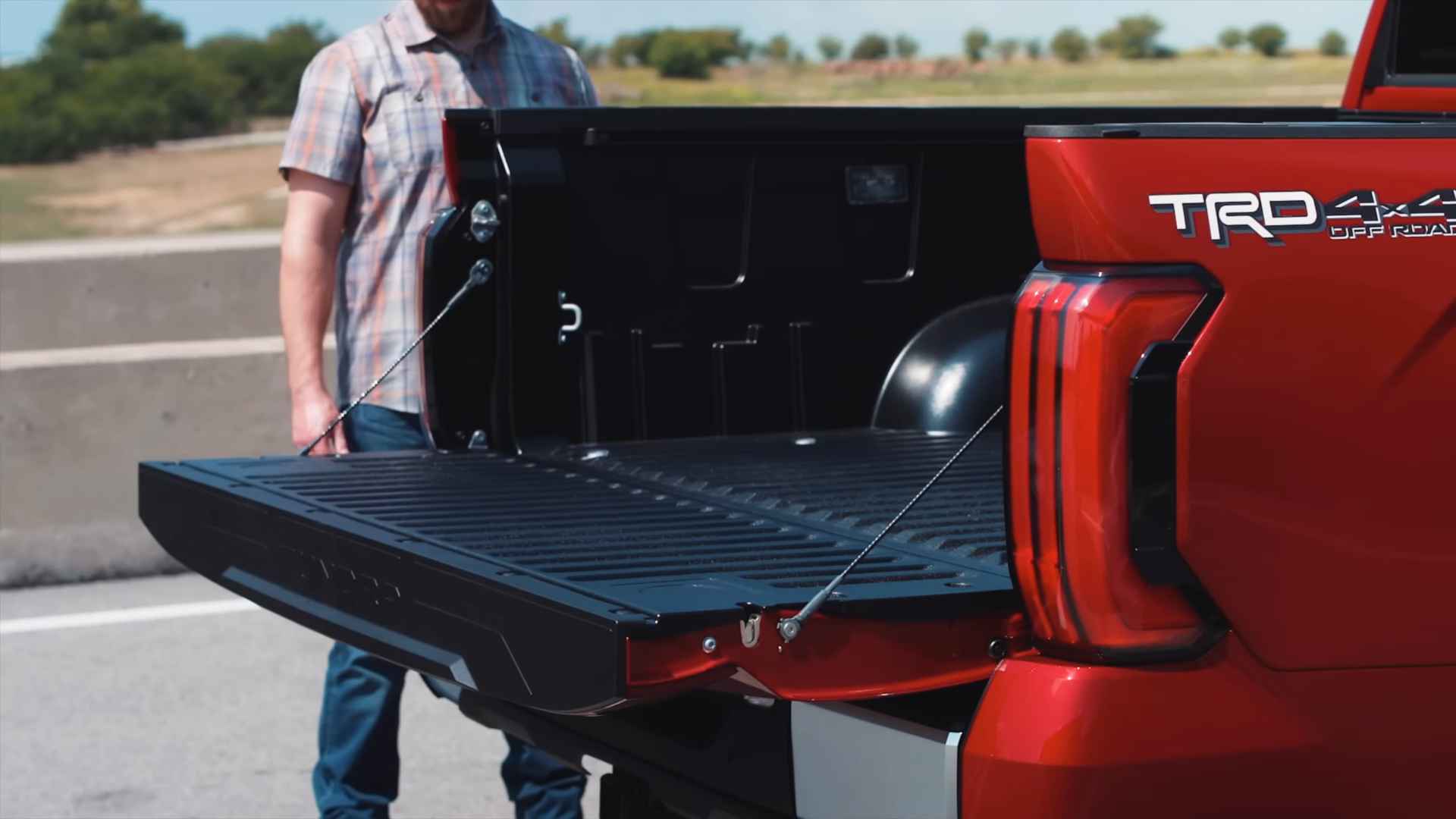
Electric powertrains introduce characteristics that can support towing performance. Instant torque delivery, low center of gravity, and regenerative braking systems all contribute to stable towing behavior in many situations.
Modern electric SUVs often produce high torque output at very low speeds. That feature allows smooth acceleration while pulling heavy loads and can improve control when starting on steep inclines.
Instant Torque from Electric Motors
Electric motors deliver maximum torque immediately when the accelerator is pressed. Immediate power delivery helps vehicles pull heavy loads smoothly during initial movement.
Traditional internal combustion engines often require higher engine speed before reaching peak torque output. Electric motors generate a strong pulling force instantly, which helps during hill starts or when pulling a trailer away from a stoplight.
Smooth torque delivery also reduces sudden power surges that can sometimes cause trailer movement or instability.
Stability from Battery Weight
Large battery packs installed low in the vehicle floor add significant weight near the center of the chassis. Low center of gravity improves stability during towing and can reduce unwanted vehicle movement.
- Lower center of gravity improves balance while pulling a trailer
- Reduced body roll during cornering
- Better traction because additional weight presses tires into the road surface
Improved stability helps drivers maintain control during highway driving and in crosswind conditions.
Regenerative Braking
Regenerative braking systems convert kinetic energy into stored battery energy during deceleration. The system also assists with speed control while towing.
Energy recovery occurs as electric motors operate in reverse during braking, converting vehicle motion into electricity stored in the battery pack.
- Long downhill sections where controlled speed reduction is necessary
- Stop-and-go traffic situations while towing
- Gradual deceleration while approaching intersections or exits
Regenerative braking cannot replace traditional friction brakes entirely. Combined braking systems still play a critical role in stopping power during heavy towing.
Biggest Limitation Is Range Loss
Range reduction represents one of the most important factors drivers must consider before towing with an electric vehicle. Pulling a trailer requires significantly more energy compared with normal driving conditions.
Additional load increases power demand during acceleration and while climbing hills. Large trailers also create additional aerodynamic drag that forces electric motors to work harder at highway speeds.
Towing Significantly Reduces EV Range
Studies indicate towing can reduce EV driving range by as much as 50%, depending on trailer weight, shape, driving speed, and road conditions.
Real-world testing demonstrates noticeable changes in energy consumption during towing scenarios. EV trucks have shown roughly a 27% increase in energy use while pulling trailers.
Range reduction can affect trip planning significantly. A vehicle rated for approximately 320 miles of driving range may drop to around 234 miles during towing conditions.
Drivers planning long trips must therefore consider charging availability and route planning carefully.
Key Factors That Determine EV Towing Capability
Towing ability in electric vehicles depends on several mechanical and engineering factors. Vehicle design, battery capacity, cooling systems, and structural strength all influence towing performance.
Manufacturers evaluate these variables carefully before assigning an official towing rating.
Manufacturer Towing Capacity
Manufacturer towing ratings remain the most important limit drivers must respect. Ratings result from extensive engineering evaluation and safety testing.
- Structural strength of the chassis and frame
- Braking capability during emergency stops
- Cooling system performance during heavy load conditions
- Drivetrain durability during prolonged towing
Exceeding recommended limits can create safety risks and mechanical damage.
Battery Size
Battery capacity plays a major role in how effectively an electric SUV handles towing tasks. Larger battery packs store greater amounts of energy that support longer travel distances between charging stops.
Vehicles equipped with larger battery packs often maintain better range while towing compared with smaller battery models.
Greater energy storage allows electric motors to maintain power output during longer towing trips.
Vehicle Weight and Structural Strength
Electric vehicles often weigh more than comparable gasoline vehicles due to large battery packs. Additional weight can improve traction and towing stability in certain situations.
Structural strength still determines towing limits. Reinforced frames, heavy-duty suspension components, and strong mounting points are required for safe trailer operation.
Engineering decisions regarding chassis strength ultimately determine maximum towing ratings.
Cooling Systems
Towing places additional stress on electric motors and battery systems. Heavy loads generate extra heat during acceleration, climbing hills, and highway driving.
Effective cooling systems help regulate temperature and maintain consistent performance during heavy workloads.
Vehicles designed for towing often include enhanced cooling features such as upgraded battery cooling circuits and improved motor thermal management systems.
Summary
Electric SUVs can tow trailers successfully, and many models already support common towing tasks. Instant torque, low center of gravity, and advanced braking systems provide solid towing performance for lighter loads.
Range reduction remains the primary limitation. Towing significantly increases energy consumption, which shortens the driving distance between charging stops.