
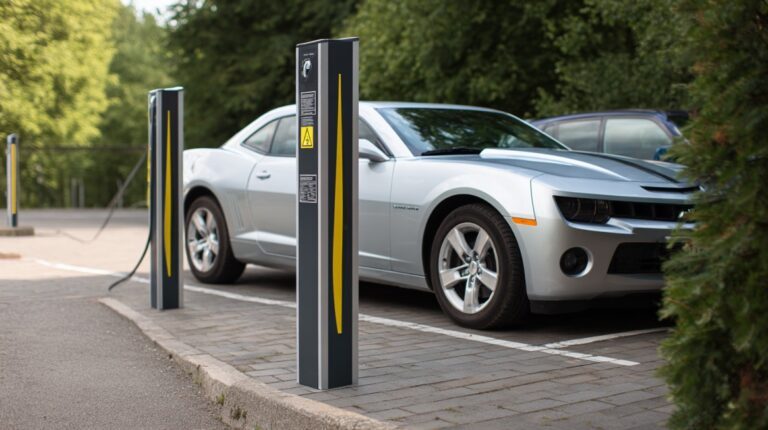
Many people assume electric vehicle drivers can pull up to a public charger, plug in, and power their cars at no cost. Early public chargers sometimes supported that idea because electricity was offered free in several locations during the early days of electric vehicle adoption.
Expansion of EV ownership and charging infrastructure changed that situation significantly. Growing demand for charging equipment, higher electricity prices, and large installation expenses pushed operators to introduce pricing models.
Free charging still appears in certain locations, but it has become less common as charging networks expand across cities and highways. Most public charging stations now operate as paid services designed to recover infrastructure and energy expenses.
Clear knowledge of how public charging works helps EV owners plan trips and estimate energy costs more effectively.
What is the Actual Truth?
Public EV charging often carries a simple assumption: drivers pull up, plug in, and power their vehicles without paying. Reality looks different today.
Expansion of electric vehicle adoption increased electricity demand, equipment costs, and maintenance needs. Charging providers, therefore, built pricing systems that support ongoing operation.
Public EV charging now functions much like other utilities. Electricity delivery, infrastructure upkeep, and network software require steady revenue. For that reason, most stations charge drivers for energy or charging time.
Charging networks generally rely on several common pricing structures. Most drivers encounter the following billing methods at public EV charging stations:
Per kilowatt-hour pricing charges drivers based on the exact electricity delivered to the battery. Home electricity bills use a similar system.
Time-based pricing charges drivers per minute while a vehicle remains connected to the charger. Faster chargers deliver more energy during that time period.
Session pricing applies a flat fee for a complete charging session, regardless of the final energy delivered.
Membership plans also appear across many networks. Drivers who charge frequently sometimes subscribe to a monthly plan that reduces per-session pricing or energy costs.
Public EV charging prices vary widely based on location, charger speed, and electricity costs.
- Many public chargers charge $0.30 to $0.60 per kilowatt-hour
- The average public charging price reached about $0.34 per kWh in 2025
The operation of a charging station involves several expensive components.
Why the “Free Charging” Myth Exists
Public perception around EV charging formed during early adoption years. Many drivers still associate electric vehicles with complimentary energy because several early charging initiatives offered electricity without cost.
Growth in EV ownership changed that situation over time. Infrastructure expansion introduced significant operating expenses. Charging providers gradually replaced free programs with pricing models designed to support long-term operation.
Several factors helped create the belief that public EV charging is widely free.
1. Early EV infrastructure
Early electric vehicle programs focused heavily on encouraging adoption. Charging stations often appeared in limited numbers and electricity demand remained low.
Operators sometimes offered free charging during those early years to attract drivers and promote electric transportation. Low usage allowed providers to absorb electricity costs temporarily.
Rising EV ownership increased demand for chargers and electricity. Higher demand introduced new financial pressures for station operators. Many early free charging stations eventually switched to paid systems.
2. Promotional incentives
Retail businesses occasionally offer free public EV charging as a marketing incentive. Charging encourages drivers to remain on site while their vehicles gain energy.
Longer parking times can increase customer spending.
- Grocery stores
- Shopping malls
- Restaurants and cafes
- Big-box retail locations
Drivers often spend 30 minutes to several hours at these locations while charging. Complimentary electricity functions as a customer attraction tool rather than a permanent service.
3. Automaker perks
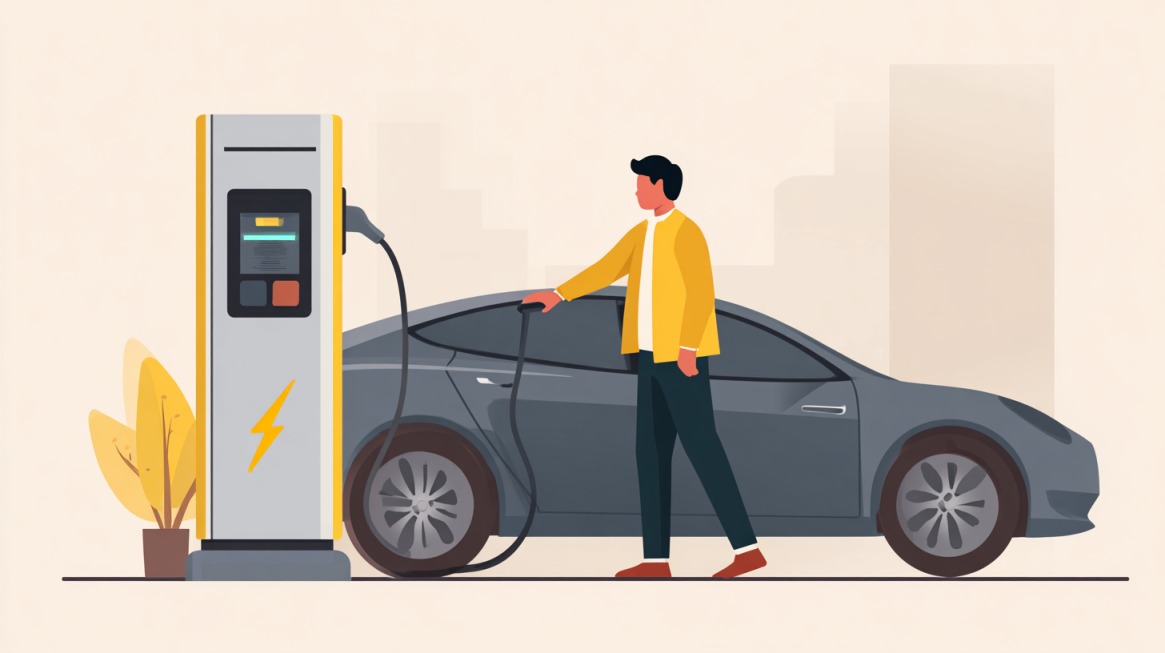
Vehicle manufacturers sometimes include charging incentives when selling new electric vehicles. Promotions help reduce early ownership costs and increase buyer interest.
Early Tesla programs represent one of the most well-known examples. Buyers of Model S and Model X vehicles purchased before 2017 received unlimited free Supercharging access.
- Charging credits valid for a certain number of kilowatt-hours
- Free charging during the first year of ownership
- Access to specific charging networks for a limited time
Promotional packages reduce early charging expenses but rarely continue permanently.
4. Misunderstanding of home charging
Many EV owners perform most charging at home. Electricity costs therefore appear inside monthly utility bills instead of appearing as separate payments.
Lower residential electricity prices can create the impression that charging costs nothing. In reality, energy still carries a price.
Residential electricity rates usually remain lower than public EV charging prices. Lower costs make home charging feel inexpensive compared with commercial charging stations.
Where You Might Actually Find Free EV Charging
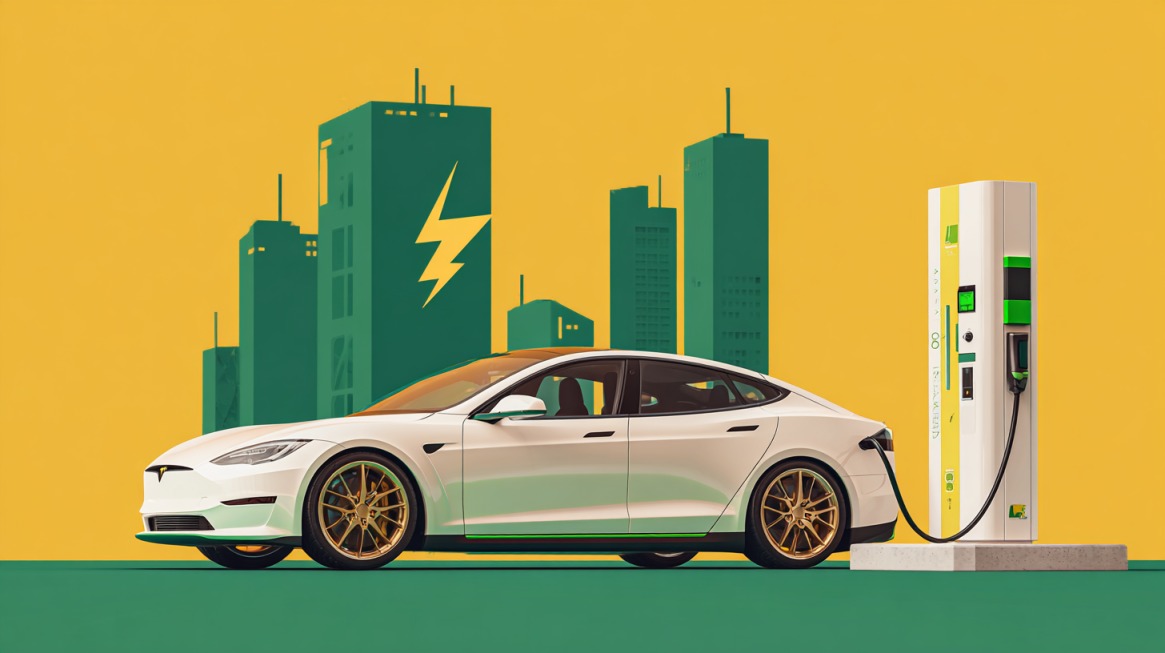
Free public EV charging has become less common, yet several locations still offer complimentary electricity. Availability often depends on local incentives or business promotions.
Drivers searching for free public EV charging sometimes encounter it in the following environments.
1. Workplaces
Workplace charging programs appear in many corporate campuses and office parks. Companies install chargers as employee benefits that support sustainable commuting.
Employees often park vehicles for several hours during the workday. Level 2 chargers provide enough time to recharge batteries while employees work.
- Free Level 2 charging during work hours
- Shared charging stations for employee vehicles
- Sustainability programs that encourage electric vehicle commuting
Corporate environmental initiatives frequently support these installations.
2. Retail locations and shopping centers
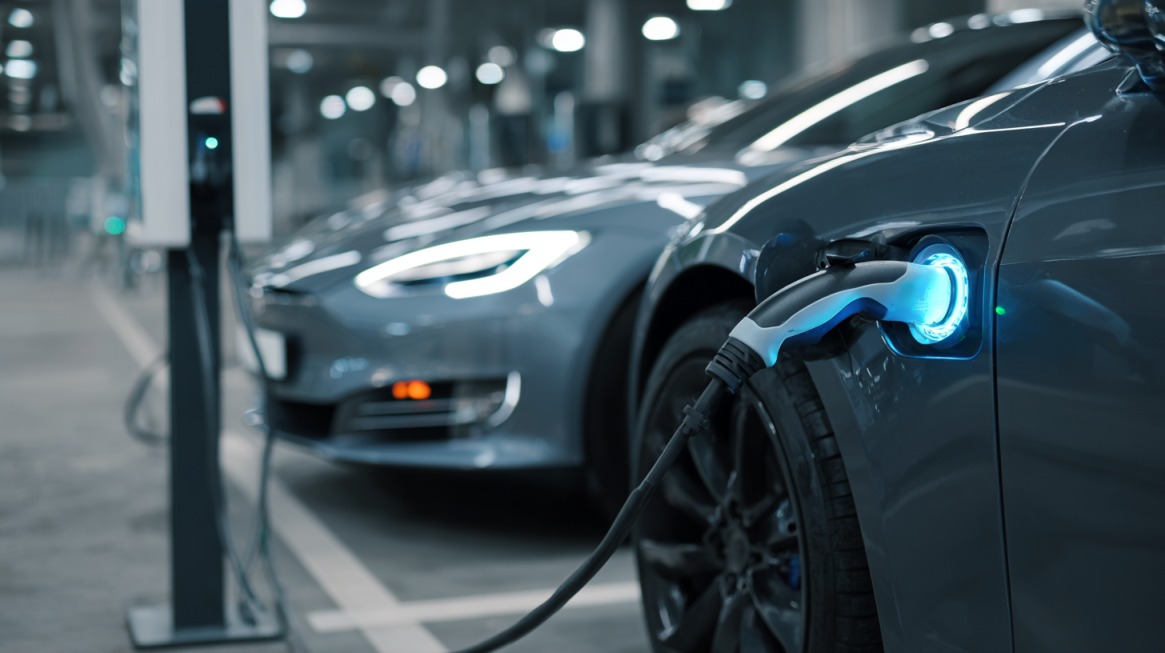
Retail properties occasionally provide complimentary charging to attract EV drivers. Parking areas may include a small number of chargers reserved for customers.
Longer shopping visits increase store traffic and sales. Drivers often remain inside stores while vehicles recharge.
- Grocery stores
- Shopping centers
- Big-box retail chains
- Entertainment complexes
Charging sessions often match typical shopping durations.
3. Hotels and hospitality venues
Hospitality businesses increasingly install EV chargers to accommodate guests traveling with electric vehicles. Overnight stays provide ideal conditions for slower charging speeds.
Level 2 chargers dominate hotel installations because vehicles remain parked for many hours. Guests can recharge batteries while sleeping.
- Complimentary charging for hotel guests
- Chargers located in guest parking areas
- Charging included as part of the stay
Convenience for travelers often motivates these installations.
4. Municipal or government programs
Our growing network of EV Charging Points across UK city centres makes charging part of your journey, not an extra chore.
And here’s more good news: Government grants of up to £3,750 are now available on selected electric vehicles!
Learn more 🔗 https://t.co/FECdvOfY8u #EV pic.twitter.com/UwMqwJb9vu
— Q-Park UK (@QPark_UK) October 17, 2025
Local governments and electric utilities sometimes launch pilot charging programs that temporarily provide free electricity. Programs like these aim to increase EV adoption or evaluate charging infrastructure performance.
- Municipal parking garages
- Public libraries
- Government buildings
- Community centers
Pilot programs often last for a limited time before introducing pricing.
5. Dealerships and promotional stations
Automobile dealerships sometimes install charging stations for customers visiting showrooms or service departments. Complimentary charging can support brand promotion and customer loyalty.
Manufacturers occasionally partner with charging networks to provide temporary incentives tied to vehicle purchases.
- Free charging during service visits
- Promotional charging credits tied to new vehicles
- Access to manufacturer partner networks
Availability varies widely depending on manufacturer programs.
When You Should Expect to Pay
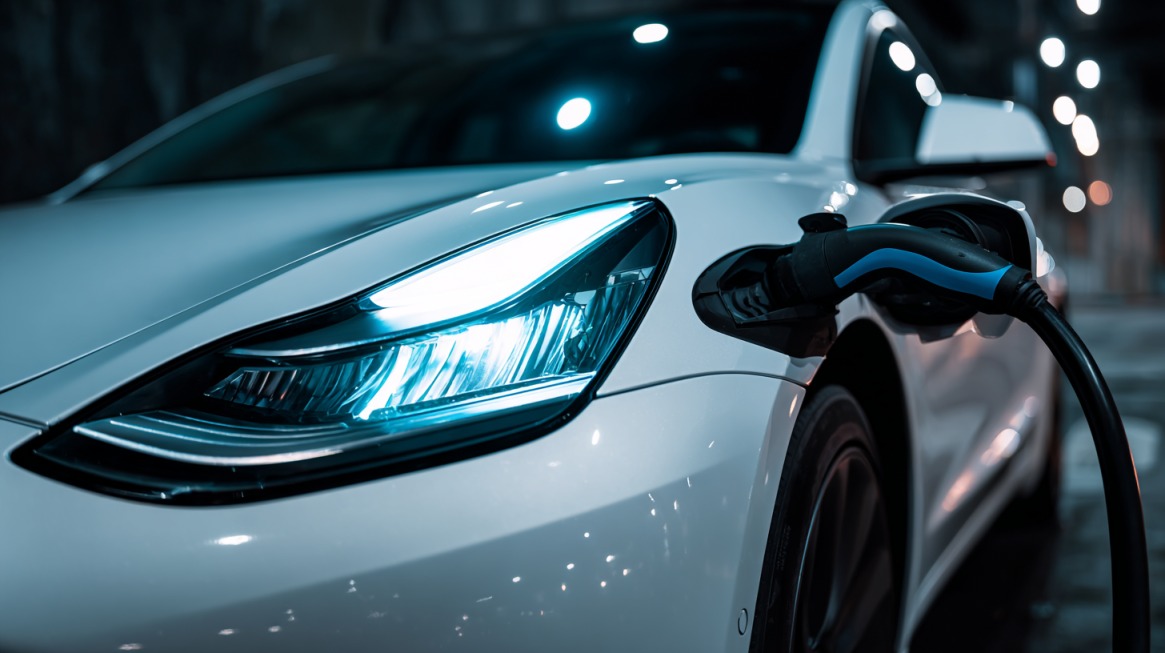
Paid public EV charging represents the normal situation in most regions. Expansion of the charging infrastructure requires significant investment and ongoing maintenance.
Drivers should generally expect payment requirements in several common charging environments.
1. Public fast charging networks
Fast charging networks play a major role in highway travel and long-distance driving. Stations deliver large amounts of electricity quickly using high-power equipment.
High-power infrastructure and electricity demand increase operating costs. Major fast charging providers typically charge drivers based on energy or time.
- Electrify America
- EVgo
- Tesla Superchargers
Fast chargers often deliver power between 50 kW and 350 kW, making them the most expensive public EV charging option.
2. Public Level 2 charging networks
Level 2 chargers appear in many urban parking locations. Drivers often use these chargers during work, shopping, or extended parking periods.
- City parking garages
- Universities and college campuses
- Office complexes
- Commercial parking lots
View this post on Instagram
Mobile apps usually manage payment and access.
3. Subscription charging networks
Some charging providers offer membership programs that reduce charging costs for frequent users. Drivers pay a monthly fee to access discounted electricity pricing.
- Reduced per-kWh rates
- Lower session fees
- Priority access at busy stations
Frequent travelers or rideshare drivers may benefit most from these plans.
4. Locations with high infrastructure costs
Urban areas with expensive electricity and dense populations often charge drivers for public EV charging. Infrastructure installations in these areas can involve complex grid connections and high construction costs.
Charging fees helps operators recover investment expenses tied to equipment and electricity delivery.
Charging Levels and Costs
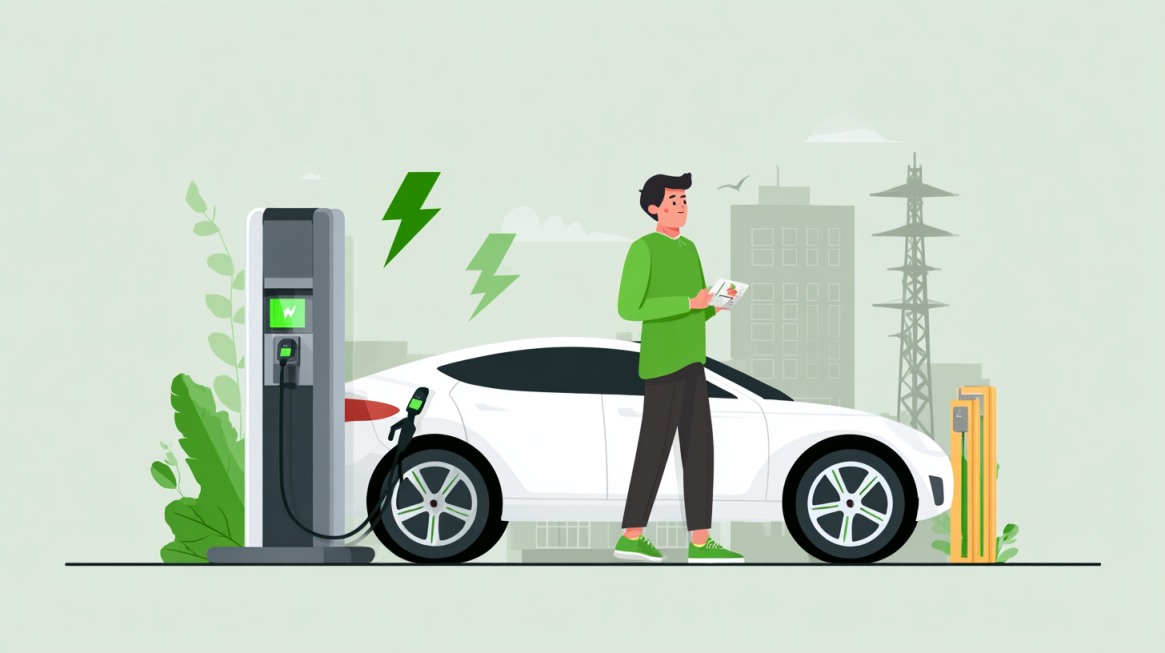
Three main charging levels appear across residential and public charging stations:
Level 1 charging relies on a standard household electrical outlet. Charging speed remains slow, but installation costs stay minimal. Drivers typically use Level 1 charging at home.
Level 2 charging appears in homes, workplaces, and public parking areas. Power delivery generally ranges between 7 and 22 kilowatts.
Public Level 2 charging commonly falls within a moderate price range: around $0.20 to $0.40 per kWh at many public stations
DC fast charging delivers electricity directly to vehicle batteries at much higher speeds. Charging power may reach 50 kW, 150 kW, or even 350 kW at advanced stations.
Fast charging pricing often reflects higher equipment and electricity demand. Many stations charge within the following range: roughly $0.40 to $0.65 per kWh
Additional costs can also appear during public EV charging sessions.
Idle fees discourage drivers from leaving vehicles connected after charging finishes. Some stations charge up to $1 per minute if a vehicle remains plugged in after reaching a full battery.
- Local electricity prices
- Charger power capacity
- Station location and demand levels
Busy urban areas often charge higher prices than rural stations.
In Reality Most Charging Happens at Home
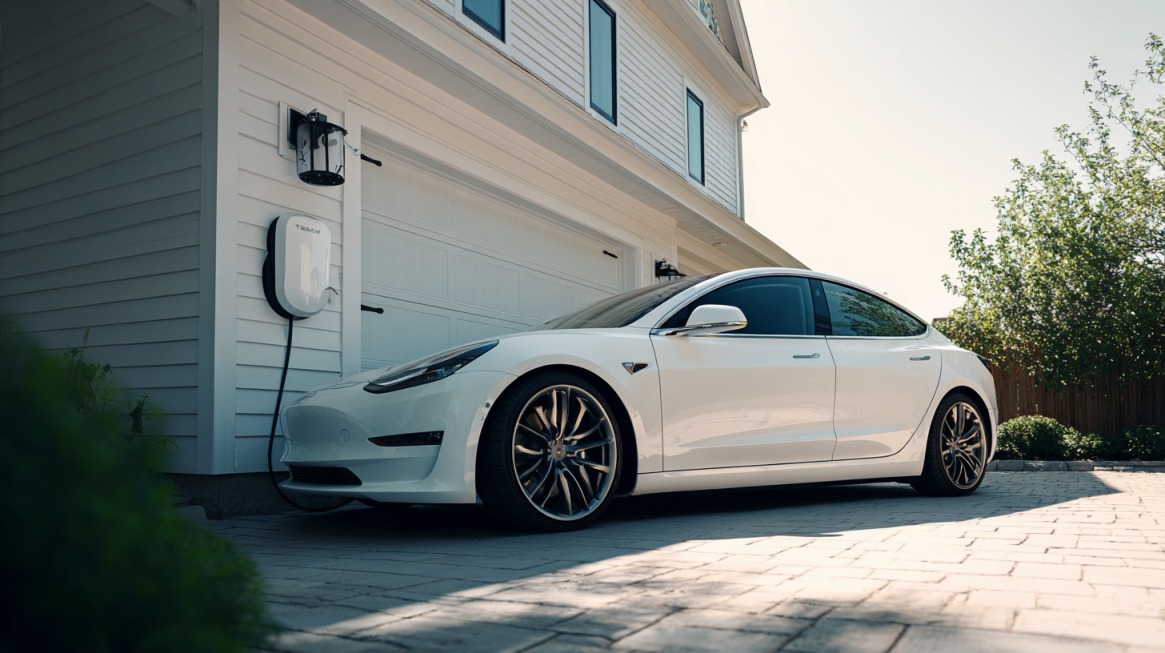
Public EV charging receives significant attention, yet most charging activity actually occurs at home. Residential charging provides convenience and lower electricity prices.
Studies indicate that about 80% of EV charging occurs at home. Overnight charging allows vehicles to regain battery capacity while drivers sleep.
- Lower electricity rates compared with most public stations
- Ability to recharge overnight without visiting a charging location
- Reduced waiting time compared with busy public chargers
Public EV charging still plays an important role for certain situations. Long-distance travel often requires fast charging stops along highways. Drivers living in apartments or homes without private parking may depend heavily on public chargers.
Quick charging sessions during errands can also help drivers maintain battery levels during busy days.
Most EV owners rely on a combination of home charging and occasional public EV charging to keep vehicles powered throughout daily travel.
Summary
Free EV charging still exists in limited situations, but most public chargers now require payment. Charging networks rely on per-kWh pricing, time-based fees, and session rates to cover electricity and infrastructure expenses.
Complimentary charging sometimes appears at workplaces, retail centers, hotels, or promotional programs connected to vehicle purchases. Opportunities like these usually function as temporary perks instead of permanent free services.