
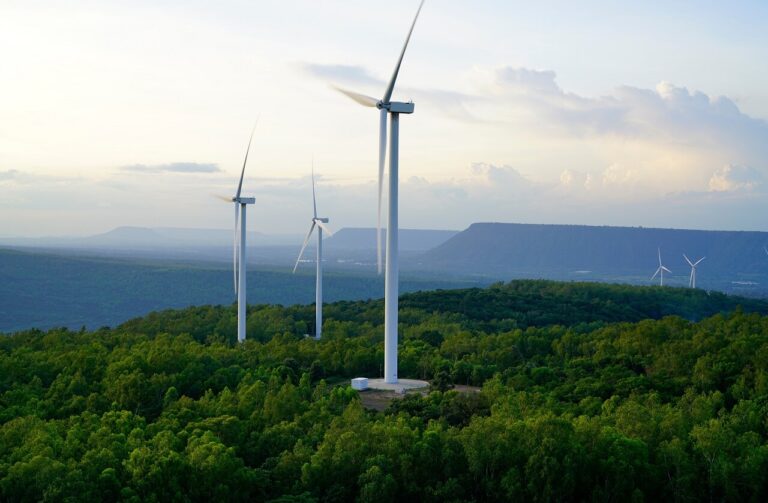
Global economies need cleaner energy systems as energy demand rises, climate risks grow, and fossil fuel reserves decline.
Coal, oil, and natural gas still supply much of the world’s electricity, but their emissions harm air quality and increase greenhouse gases.
Wind energy offers a cleaner option because turbines generate electricity using moving air instead of burned fuel.
By 2019, more than 591 GW of wind power capacity had been installed across 91 countries.
Wind power can reduce carbon emissions, create jobs, strengthen energy security, attract local investment, and support long-term sustainable development when projects are planned responsibly.
Can wind energy help build a cleaner, safer, and more sustainable economy?
Wind Energy as a Clean and Renewable Power Source
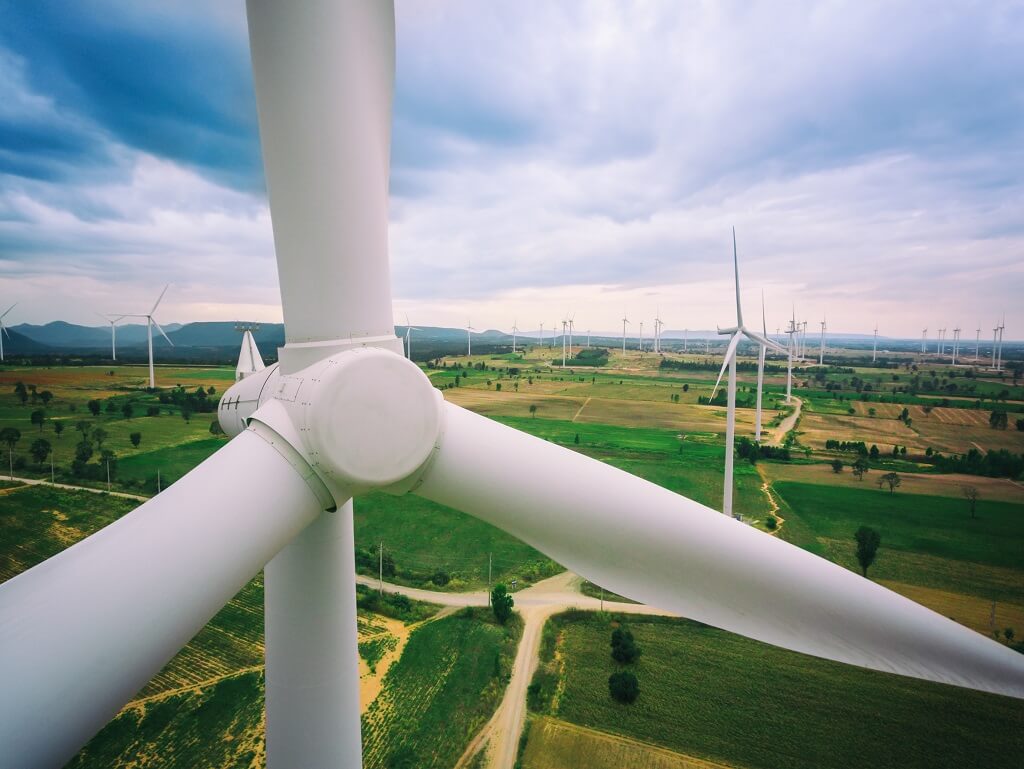
Wind turbines convert moving air into electricity.
As wind moves across turbine blades, rotation powers a generator.
Wind power produces electricity without direct greenhouse gas emissions during operation.
Unlike coal, oil, and natural gas, wind does not require burned fuel.
Strong wind conditions often occur in several types of areas:
- Coastal zones can provide steady wind due to open water exposure.
- Plains can allow turbines to capture airflow with fewer physical barriers.
- Mountainous regions can produce strong wind patterns linked to elevation and terrain.
Greater power use reduces reliance on fossil fuels and supports long-term energy security.
Wind Energy and Carbon Emission Reduction
Electricity generation is a major source of carbon dioxide emissions. Replacing fossil fuel power with wind energy lowers emissions and reduces air pollution.
Wind power supports carbon neutrality because it can be built at large scale.
More wind energy on the grid means less need for coal, oil, and natural gas power.
Reported avoided-emission data shows energy’s measurable climate impact:
- European Union wind power avoided more than 819 million tons of CO2 between 2011 and 2016.
- United States wind power avoided about 198 million metric tons of CO2 emissions in 2020.
- That 2020 U.S. reduction equaled taking 42 million cars off the road.
Lower emissions reduce climate risks, improve public health, and help governments meet climate targets. Clean electricity also helps industries grow with less environmental damage.
Economic Benefits of Wind Energy
Wind energy creates jobs in manufacturing, installation, maintenance, engineering, project development, and operations.
Workforce growth also increases the need for certified safety preparation.
GWO courses help technicians gain practical skills for turbine work, including working at heights, first aid, fire awareness, manual handling, and sea survival.
Reported labor and investment figures show how power contributes to economic activity:
- Around 300,000 people worked in Europe’s wind energy sector at the time of the reported data.
- Renewable energy investment more than doubled fossil fuel investment in the power sector in the year before the reported data.
Wind farms can bring tax revenue, lease payments, local investment, and infrastructure improvements.
Rural communities can benefit when projects are planned fairly and revenue reaches local services.
The power has become more competitive with conventional electricity generation.
Sustainable growth requires jobs and investment with lower environmental harm, and energy supports both goals.
Wind Energy and Energy Security
Energy security means reliable, affordable, and accessible energy.
Stable power supplies support households, businesses, hospitals, schools, and industries.
Wind energy improves energy security by using domestic resources.
Local electricity generation reduces reliance on imported coal, oil, and gas.
Less fuel import dependence can protect economies in several ways:
- Lower exposure to fossil fuel price spikes
- Reduced risk linked to supply disruptions
- Fewer ongoing fuel costs after turbine construction
Reliable renewable energy supports sustainable development and access to affordable clean power under SDG7.
Technological Maturity and Competitiveness of Wind Power
Wind power is a mature energy technology with strong growth potential.
Modern turbines are larger, more efficient, and more reliable than earlier designs.
Advances in turbine technology and economies of scale have reduced energy production costs.
Lower costs make wind more practical for large-scale use.
Cost gains differ across major wind project types:
- Onshore has reached historically low costs and is already the cheapest form of new power generation in many parts of Europe.
- Offshore is becoming more competitive because larger turbines can capture stronger and steadier ocean winds.
Affordable wind electricity can support electric vehicles, cleaner heating, and green hydrogen production through electrolysis.
Wind Energy and the Circular Economy
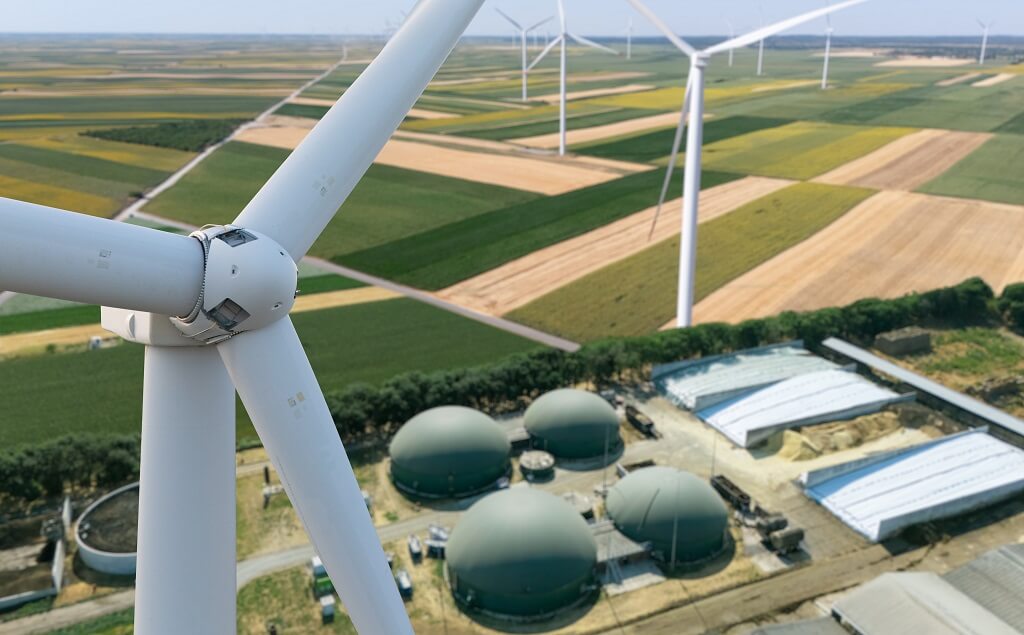
A circular economy reduces waste through reuse, repair, recycling, and longer material life.
Wind energy can support that model when turbines are designed, maintained, and retired responsibly.
Turbines require limited maintenance during operation. That can reduce resource demands over time.
Several turbine components need careful end-of-life handling:
- Blades require better recycling solutions.
- Metals can often be recovered and reused.
- Electronics need responsible disposal or material recovery.
Resource-efficient wind power strengthens sustainability across the full turbine life cycle.
Responsible Wind Turbine Siting and Sustainable Planning
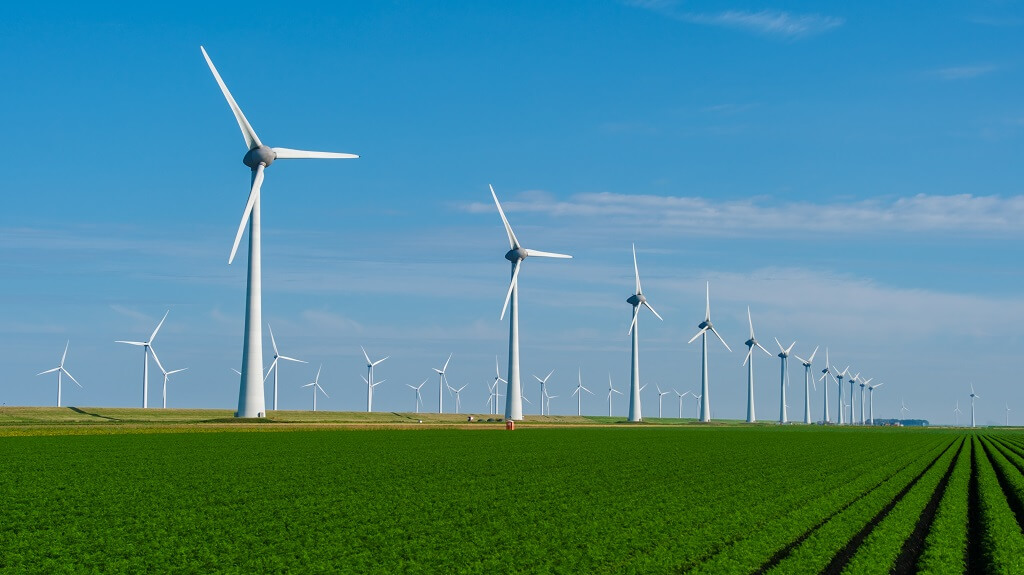
Siting matters because wind farms need strong energy output with limited environmental and social harm.
Poor site selection can lower efficiency, increase costs, and create community conflict.
Key siting factors include potential, topography, environmental sensitivity, legal requirements, infrastructure access, and community impacts.
Proper analysis improves production and reduces damage.
Micro-siting determines exact turbine placement inside a farm. It considers technical and physical conditions such as:
- Speed and direction
- Density variations
- Slope and elevation
- Obstacles such as buildings and trees
Turbine spacing is also important.
Distances of 6 to 10 times the blade diameter are generally recommended to reduce turbulence and efficiency losses.
Noise, visual effects, wildlife impacts, land use, and community acceptance must be addressed before construction.
Challenges Facing Wind Energy Development
Wind energy is intermittent because it does not blow constantly.
Storage, forecasting, grid upgrades, and backup systems help manage power fluctuations.
Environmental and land-use concerns require careful planning. Wind farms must protect ecosystems, wildlife, and nearby communities.
Infrastructure can limit growth. Transmission lines, grid capacity, ports, and maintenance networks are often needed for expansion.
Grid reliability can improve through several technical solutions:
- Smart grids can balance changing electricity supply and demand.
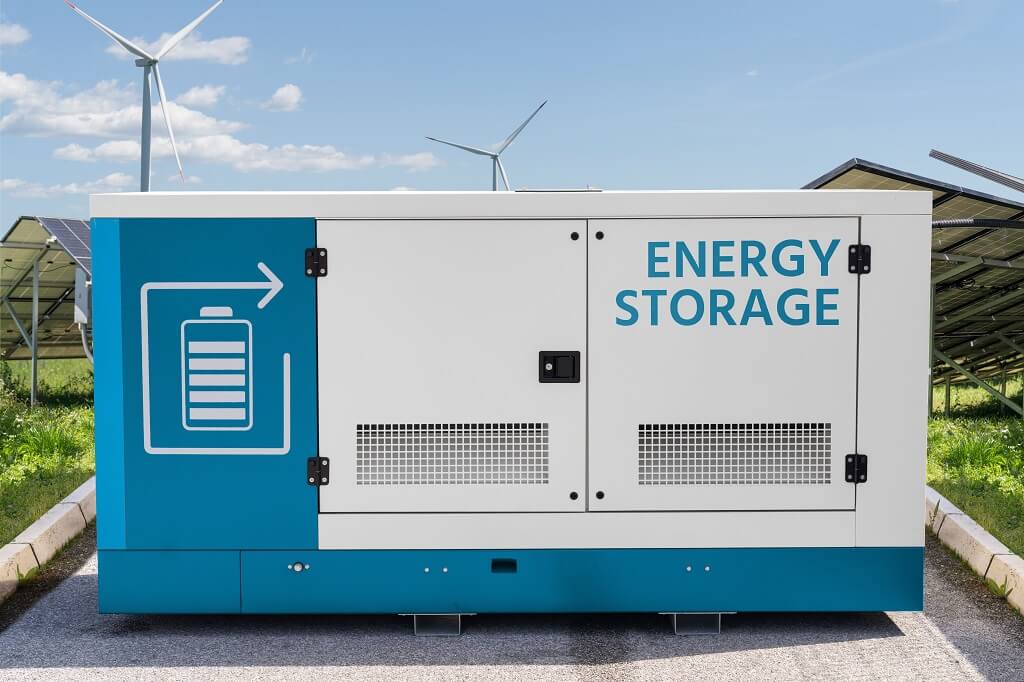
- Batteries can store excess power during high-production periods.
- Pumped hydro storage can release stored energy when production is lower.
Public acceptance also matters. Communities are more likely to support projects when they receive jobs, tax revenue, lease payments, and infrastructure improvements.
Policy support can speed up deployment. Feed-in tariffs, tax incentives, renewable energy targets, and efficient permitting encourage investment.
Workforce Safety and GWO Certification
Wind energy growth requires skilled workers who can operate safely in high-risk environments.
Turbine technicians may face heights, fire risks, manual handling hazards, first aid situations, and offshore safety conditions. Hands-on training is essential because energy jobs require practical skills in real industrial conditions.
GWO courses help workers meet safety expectations in onshore and offshore operations.
FMTC Safety supports this need by providing world-class, hands-on safety training for industrial professionals worldwide, with a specific focus on GWO certification in the energy sector.
Wind energy reduces emissions, supports carbon neutrality, creates jobs, improves energy security, and encourages local investment.
Global capacity data shows wind power’s major role in the clean energy transition:
- Installed power capacity reached 591 GW globally by 2019.
- Wind power was installed across 91 countries by 2019.
A sustainable economy needs clean, affordable, secure, and responsible energy. Wind energy can help achieve that goal when clean power development is matched with modern infrastructure, careful planning, and trained professionals.
Summary
Wind power is not a complete solution alone.
Success depends on technology, investment, grid readiness, responsible siting, community support, and strong safety training.
A sustainable economy needs clean, affordable, secure, and responsible energy.
Wind energy can help achieve that goal when clean power development is matched with modern infrastructure, careful planning, and trained professionals.