
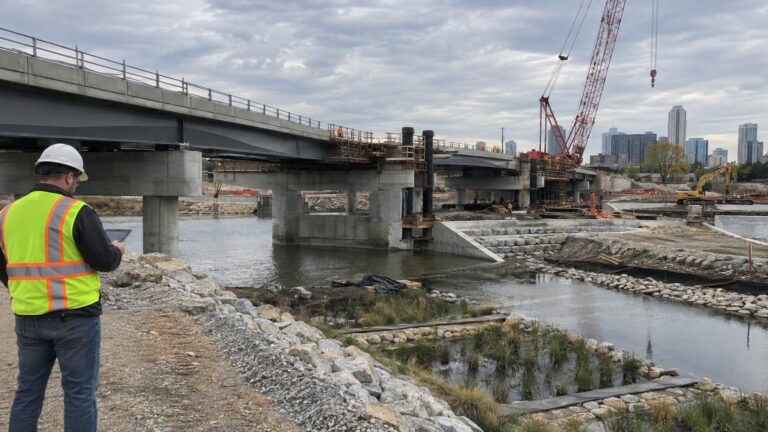
Civil engineering is changing in ways that are already visible on roads, bridges, construction sites and flood-control projects.
Lower-carbon materials are moving into procurement requirements, digital twins are becoming useful operational tools, and infrastructure owners are paying much more attention to what happens after a project is built.
The biggest changes in 2026 are not based on one new material or one piece of software. Engineers are combining better material choices, more accurate monitoring, reuse of existing resources and designs that respond to climate risks from the start.
Here are eight practices worth watching, along with the reasons they are moving from specialist projects into more routine civil engineering work.
| Practice | Main Change | Where It Is Most Relevant |
| Lower-carbon steel | More scrap-EAF steel and emerging hydrogen-based production | Bridges, structural frames, rail and major infrastructure |
| Recycled and lower-carbon concrete | Less virgin aggregate and lower cement-related emissions | Roads, pavements, foundations and structural concrete |
| Digital twins and AI | Live project and asset data instead of static models | Bridges, rail, tunnels, dams and city infrastructure |
| Hybrid flood control | Drainage combined with green infrastructure and monitoring | Cities, river corridors and flood-prone developments |
| Recycled and warm-mix asphalt | More reclaimed pavement and lower production temperatures | Road construction and rehabilitation |
| Prefabricated infrastructure | More components manufactured away from the work zone | Bridges and repetitive structural works |
| Electric construction equipment | Battery and grid-powered heavy machinery | Urban sites, quarries and infrastructure projects |
| Design for reuse | Components planned for repair, removal and future reuse | Structures, temporary works and modular infrastructure |
1. Lower-Carbon Steel Is Becoming a Procurement Decision
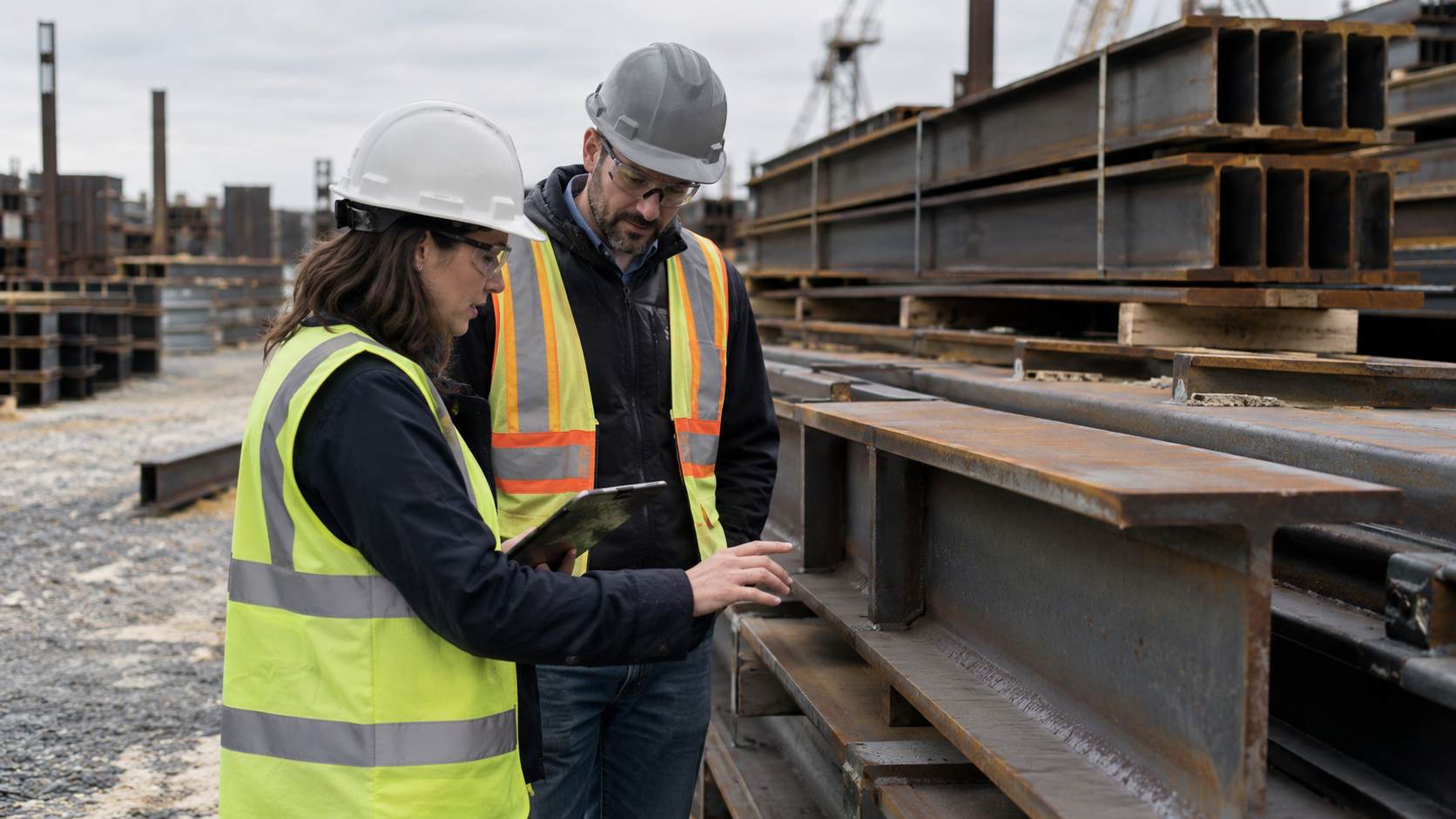
Steel will remain essential for bridges, rail systems, retaining structures and large buildings. The change is in how the steel is produced and how project teams compare suppliers.
Traditional blast furnace steel relies heavily on coal. Electric arc furnaces can instead use large quantities of recycled scrap, and newer direct-reduced iron plants are beginning to introduce hydrogen as a way to reduce dependence on fossil fuels.
The difference between production routes is already significant. World Steel Association data puts 2024 carbon dioxide intensity at 2.34 tonnes per tonne of crude steel for the blast furnace and basic oxygen furnace route, compared with 0.69 tonnes for scrap-based electric arc furnace production.
Hydrogen-based direct reduction is also moving closer to commercial scale. The International Energy Agency describes hydrogen DRI combined with electric arc furnaces as an emerging lower-emission route, although costs remain considerably higher than conventional production in many regions.
For engineers, the important change is that specifying steel is no longer only about grade, strength and price. Production route, recycled content and verified environmental data are becoming part of material selection as well.
2. Recycled Concrete Needs More Than Crushed Old Concrete
Recycled concrete aggregate is already used in road bases, pavements and new concrete mixtures.
Crushed concrete can replace part of the virgin stone normally quarried for a project. That reduces demand for new aggregate and gives demolition material another use instead of sending it directly to landfill.
Replacing aggregate alone does not remove the main source of concrete emissions. Cement production remains the larger carbon challenge, so engineers are also reducing clinker content, using supplementary cementitious materials and optimizing mixes so they contain no more cement than the required performance demands.
The IEA identifies material efficiency and greater use of supplementary cementitious materials among the important routes for reducing emissions from cement and concrete. The Federal Highway Administration also maintains guidance on the use of recycled concrete aggregate in pavement mixtures.
3. Digital Twins Are Moving From Design Models to Live Infrastructure
A 3D model used during design is useful. A model that continues receiving information after construction is much more valuable.
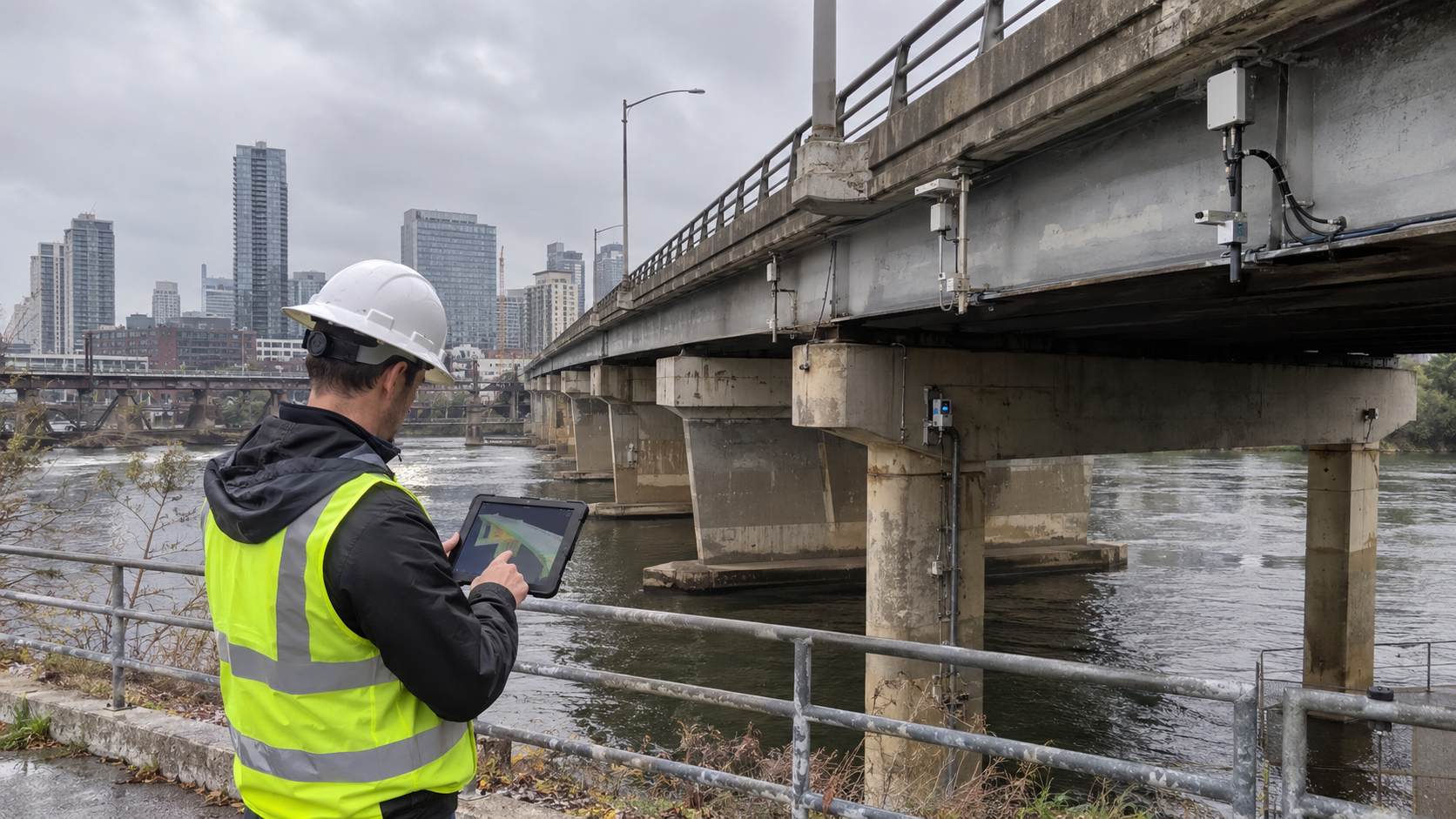
Digital twins connect models with inspection records, sensors, surveys, photographs and operational data. An engineer looking at a bridge, railway cutting or dam can then compare current readings with earlier conditions without searching through separate spreadsheets and reports.
A perfect example comes from rail monitoring in Toronto. A Bentley-documented project connected monitoring instruments with a digital twin beside a busy rail corridor, allowing engineers to follow displacement data in the context of the surrounding site rather than reading sensor values in isolation.
AI is also becoming part of the workflow. Image recognition can help identify cracks and defects, while machine learning can sort large amounts of monitoring data and highlight changes that deserve an engineer’s attention. Human review remains necessary, especially when a result affects safety or structural decisions.
Digital tools are useful earlier in a project too, especially AI. When a team is presenting a new bridge, public space, drainage scheme or other concept to a client or local community, clear visuals can make an early idea easier to discuss.
An AI image generator can help create early presentation visuals from a rough concept before detailed architectural or engineering renders are ready. Such images should always be identified as concept visuals and kept separate from verified drawings, dimensions and engineering models.
4. Flood Control Is Moving Beyond Bigger Pipes and Higher Walls
Urban flood protection used to focus heavily on moving water away as quickly as possible. Larger drains, channels, culverts and flood walls still have an important role, but many cities are now combining them with systems that temporarily hold, absorb and redirect water.
Rain gardens, wetlands, retention basins, permeable surfaces and restored river corridors give stormwater somewhere to go before it overwhelms a drainage network. Conventional infrastructure then handles the water that cannot be absorbed or stored locally.
The World Bank’s 2026 work on urban flood resilience describes an approach that combines engineered infrastructure, nature-based solutions, urban planning and early-warning systems rather than depending on one form of protection.
Sensors add another layer. Water-level monitors, rainfall data and weather forecasts can show how quickly conditions are changing. Engineers and city operators can then identify blocked drainage routes, rising rivers or overloaded storage systems earlier.
The result is a flood strategy with several lines of defence rather than a single structure expected to handle every storm.
5. Road Projects Are Using More Reclaimed Asphalt
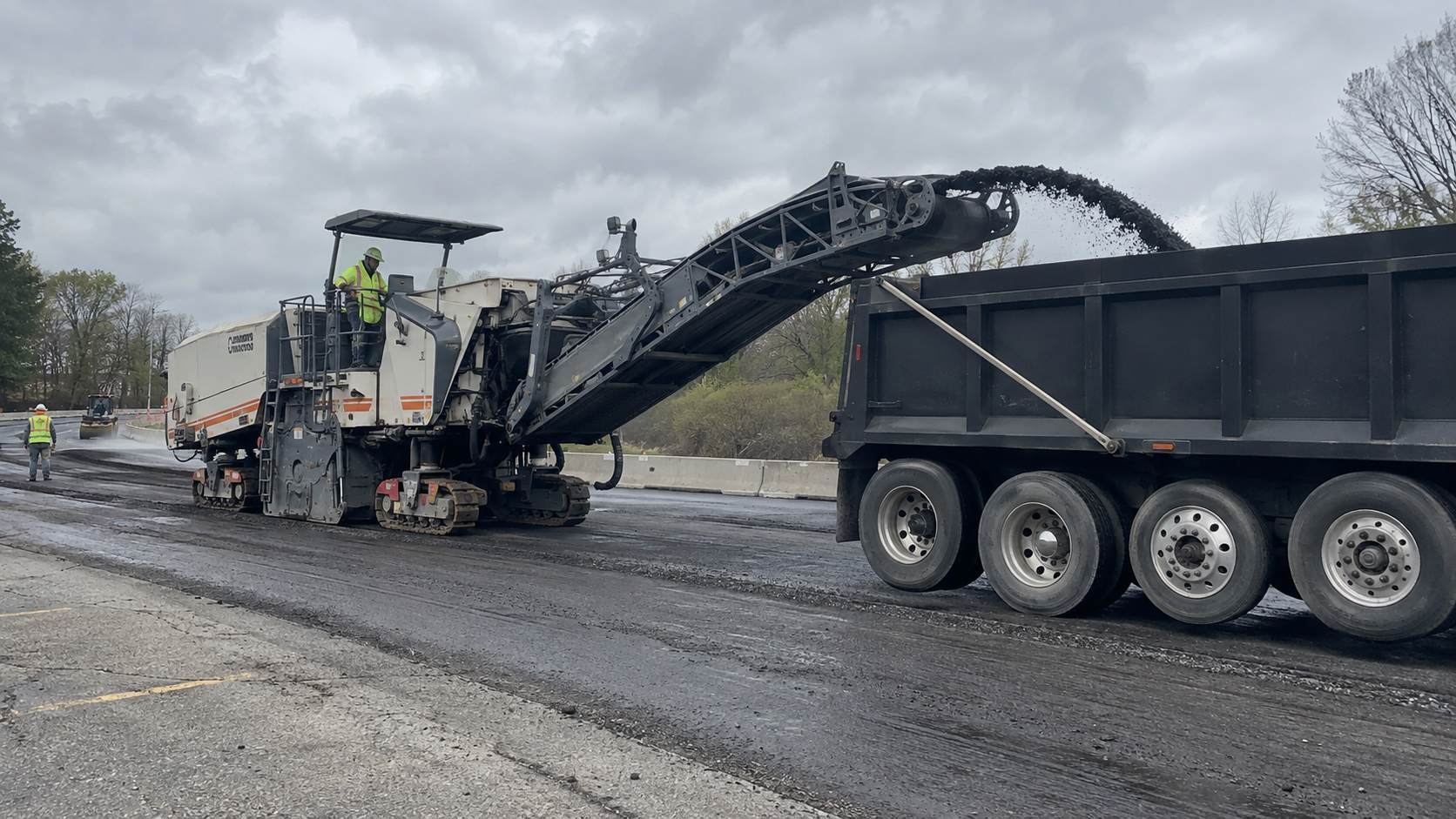
Old asphalt is increasingly treated as a construction material rather than waste. Reclaimed asphalt pavement, usually called RAP, contains both aggregate and aged binder that can return to a new pavement mixture.
The Federal Highway Administration reports that mixtures containing 30 to 50 percent reclaimed binder can perform well when properly designed and controlled. Higher recycled content reduces demand for virgin aggregate and new asphalt binder.
Warm-mix asphalt adds another change. Instead of producing and placing asphalt at traditional hot-mix temperatures, warm-mix technologies allow lower temperatures during manufacturing and paving.
FHWA guidance states that warm-mix asphalt can be produced 30°F to 120°F below conventional hot-mix temperatures. Lower heat means less fuel at the plant, reduced fumes around workers and a longer window for transport and compaction in cooler conditions.
Combining RAP with warm-mix production makes road rehabilitation particularly interesting. Existing pavement becomes part of the next pavement, while the new mix requires less energy during production.
6. More Bridge Work Is Moving Away From the Work Zone
Building every part of a bridge in place creates traffic disruption, exposes workers to live roads and makes construction more dependent on weather.
Prefabricated bridge elements change the sequence. Deck panels, girders, pier caps, columns and other components are manufactured away from traffic and delivered when the site is ready for installation.
The Federal Highway Administration identifies shorter on-site construction time as one of the main advantages of prefabricated bridge elements. Controlled fabrication conditions also reduce weather delays and give contractors more control over curing and quality.
The approach is especially useful on busy roads where closing a lane for several months has a cost far outside the construction contract. Reducing the duration of the work zone can lower disruption for drivers, businesses and nearby residents.
Prefabrication does require careful attention to transport, lifting and connections between components. Moving work away from the site changes the engineering problems rather than eliminating them.
7. Electric Heavy Equipment Is Reaching Larger Civil Engineering Sites
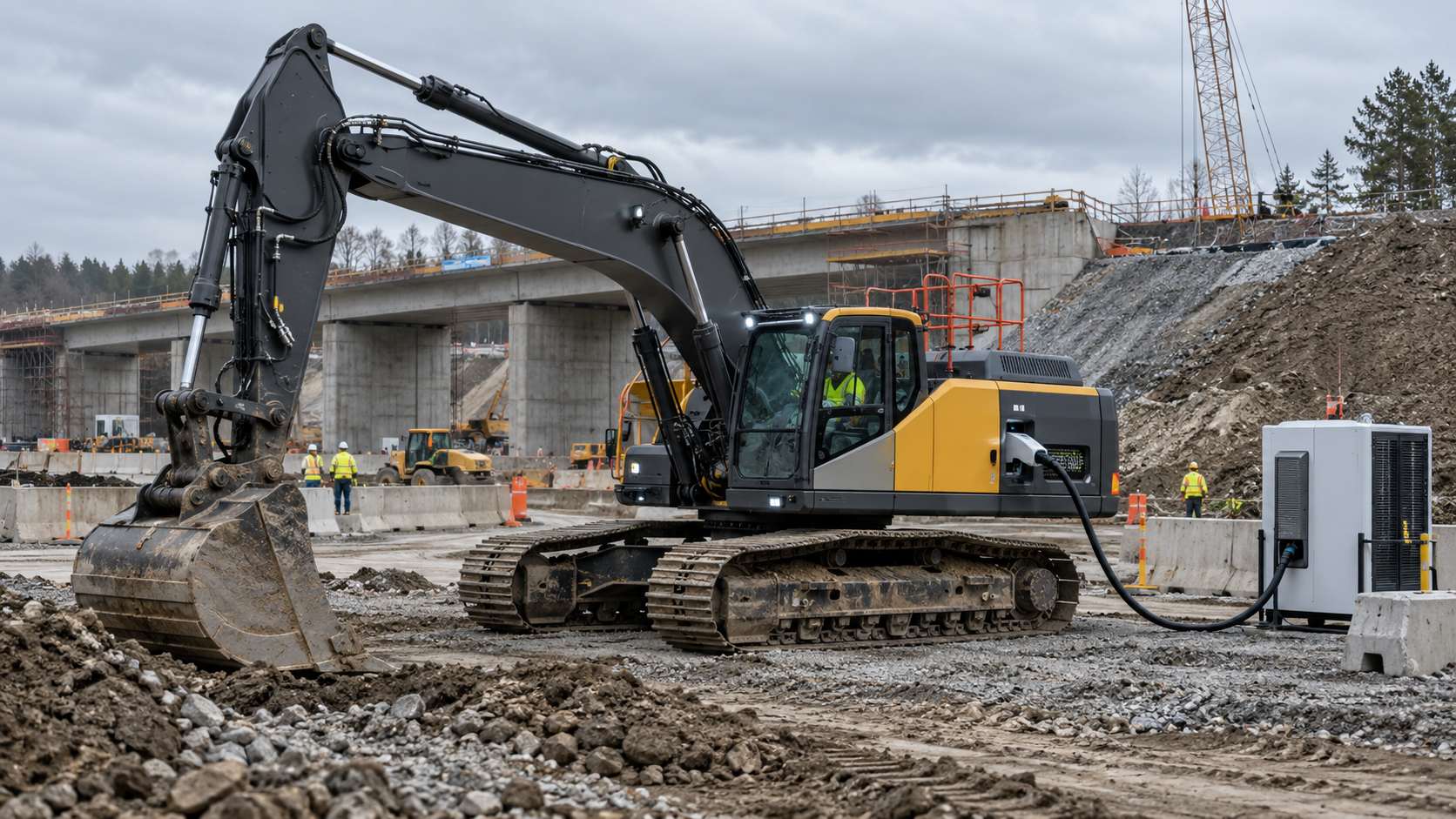
Battery-powered construction machinery started with compact excavators and smaller loaders, but the size of available equipment is increasing.
Electric excavators, wheeled loaders and articulated haulers are now appearing on infrastructure and quarrying projects.
In June 2026, battery-electric A30 articulated haulers entered operation on a Norwegian hydropower project, showing that electrification is moving into equipment classes previously dominated by diesel.
The largest benefit on an urban project is easy to identify. Electric machines produce no exhaust emissions at the point of operation and create less engine noise. That is valuable around homes, schools, hospitals, tunnels and enclosed work areas.
Charging remains part of the construction plan. A large electric fleet requires enough grid capacity, chargers, working space and a schedule that matches machine duty cycles.
Work announced in 2026 by Volvo CE and Hitachi Energy focuses on treating machines, charging, power supply and site energy management as one system rather than separate purchases.
For contractors, that planning requirement is likely to become as important as choosing the machine itself.
8. Civil Engineers Are Designing With Future Reuse in Mind
Design for disassembly means thinking about connections, access and component sizes so useful materials can be removed without destroying them.
Bolted steel members, modular barriers, reusable temporary structures and replaceable panels are straightforward examples.
The same principle supports repair. If one damaged part can be removed without dismantling a much larger section, the owner replaces less material and closes the asset for a shorter period.
Reuse also changes what happens at the end of a project. A steel beam that can be inspected, documented and installed elsewhere has more value than one that can only be cut up and melted for scrap.
Not every bridge, tunnel or retaining structure can be designed as a kit of removable components.
Engineers can still ask a useful question during design: which parts are likely to wear out first, and can they be replaced without throwing away the parts around them?
Last Words
Civil engineering is moving toward lower-carbon materials, better use of existing resources and smarter ways to monitor infrastructure.
None of these practices replaces basic engineering judgment. Their value comes from helping projects use materials more efficiently, reduce waste and respond better to long-term maintenance and climate risks.
The most useful changes will be the ones that improve both project performance and the way infrastructure is built, used and maintained over time.