
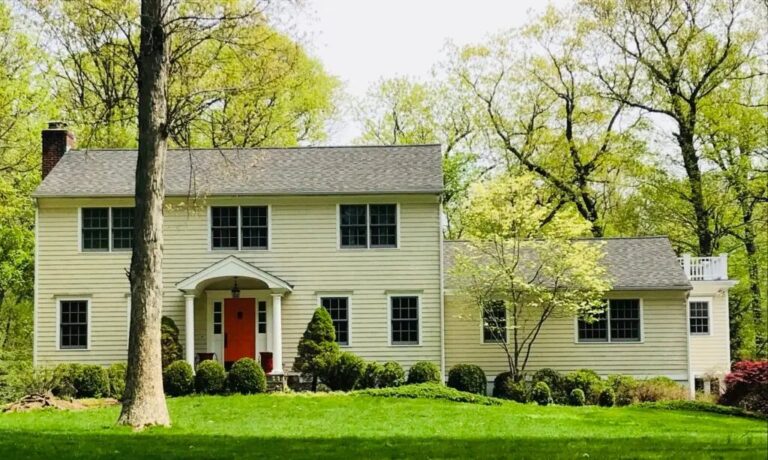
Yes, exterior paint can reduce how much solar heat a house absorbs, although the result depends on more than choosing a pale color.
Paint with high solar reflectance sends a larger share of sunlight away from the building, while high thermal emittance helps the surface release absorbed heat.
The benefit is usually greatest on sun-exposed walls in hot climates, particularly in older houses with limited wall insulation.
Reflective exterior paint can lower wall temperatures and reduce demand for air conditioning, but it cannot replace insulation, air sealing or exterior shade.
How exterior paint changes solar heat gain
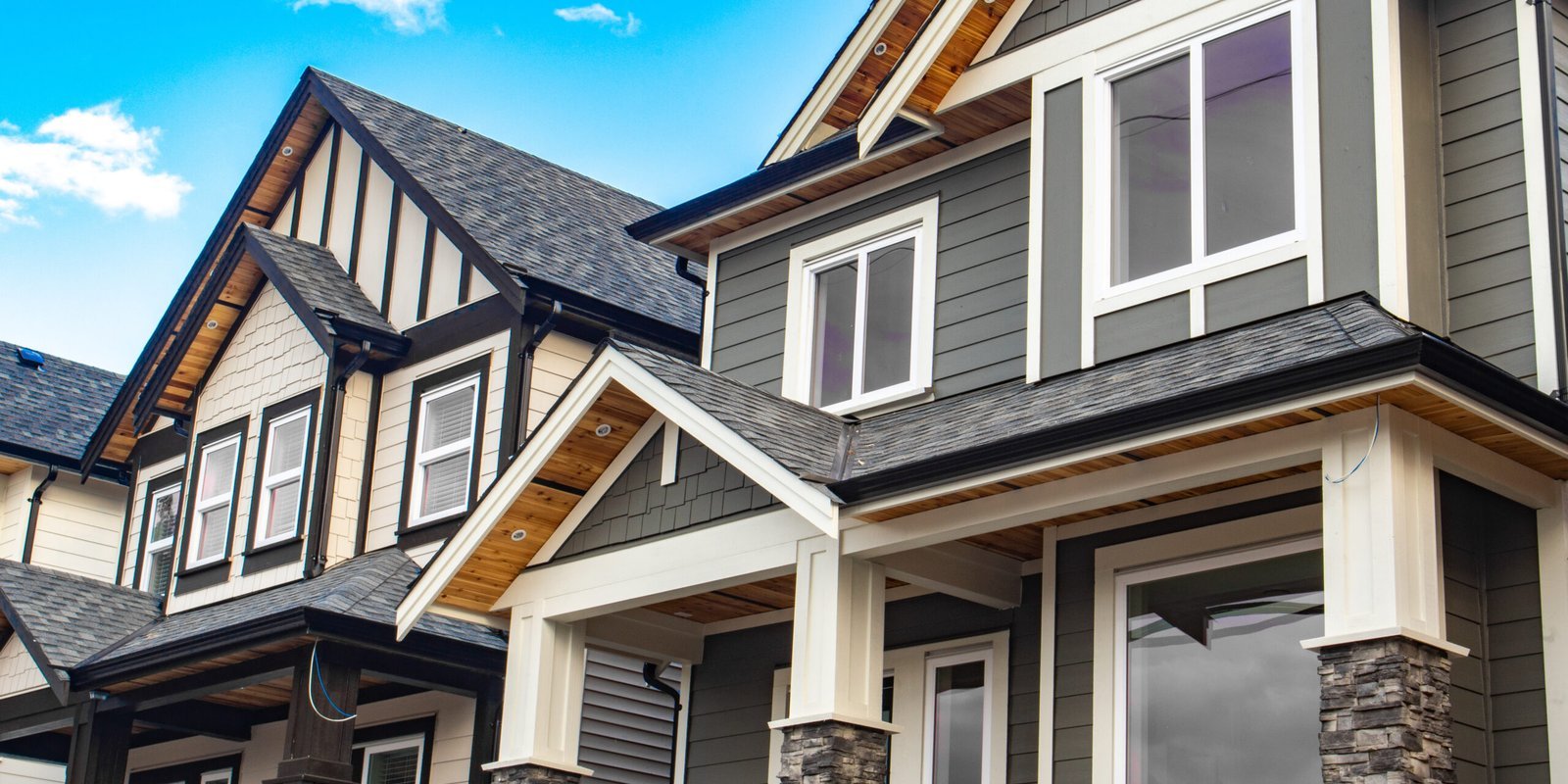
Sunlight striking an exterior wall is reflected or absorbed. Dark surfaces generally absorb more solar energy, causing the wall temperature to rise and allowing some heat to move indoors. A reflective coating limits that first step. According to the Lawrence Berkeley National Laboratory explanation of cool walls, an effective cool wall combines high solar reflectance with high thermal emittance.
Solar reflectance describes the share of sunlight a surface reflects. Thermal emittance describes how effectively that surface releases absorbed heat as infrared radiation.
These are separate properties. A shiny surface may reflect visible light but perform poorly in other parts of the solar spectrum. For that reason, color alone does not provide enough information about heat performance.
Product performance is only part of the result. Proper cleaning, repairs, priming and even coverage help the coating bond correctly and maintain its reflective properties. Homeowners in North Texas who want professional help selecting and applying a suitable exterior coating can request an assessment from Painters in Plano TX.
Research shows meaningful savings in warmer regions
A large modeling study funded through Lawrence Berkeley National Laboratory examined more than 100,000 building simulations across different climates, building ages and property types. The published cool-wall study found annual heating and cooling cost savings of 4% to 27% for single-family homes in California. In warm US climate zones, modeled savings ranged from 1.8% to 8.3%.
Those figures should not be treated as a guaranteed reduction in a household’s total utility bill. They refer to heating, ventilation and air-conditioning costs under modeled conditions. Actual results change with local weather, electricity prices, wall construction, window area, shading, thermostat settings and the efficiency of the cooling system. A shaded, well-insulated house may experience a smaller difference.
Light paint and cool-color paint are not quite the same
White and other light shades often reflect more sunlight than conventional dark paint.
However, specially formulated cool-color coatings can use pigments that reflect near-infrared energy, which people cannot see, while retaining colors such as brown, red or gray.
This gives homeowners more options where bright white would be impractical.
| Paint choice | Likely heat performance | Main consideration |
| Conventional dark paint | Usually absorbs more solar energy | May increase surface temperatures on sunny walls |
| Conventional light paint | Often reflects more sunlight | Performance varies by pigment and weathering |
| Rated cool-color coating | Designed to reflect visible or near-infrared energy | Check measured ratings rather than marketing language |
The California Energy Commission’s cool-wall research program found that reflective walls can provide energy, peak-demand and urban cooling benefits comparable with cool roofs under suitable conditions.
Climate and wall direction determine the payoff
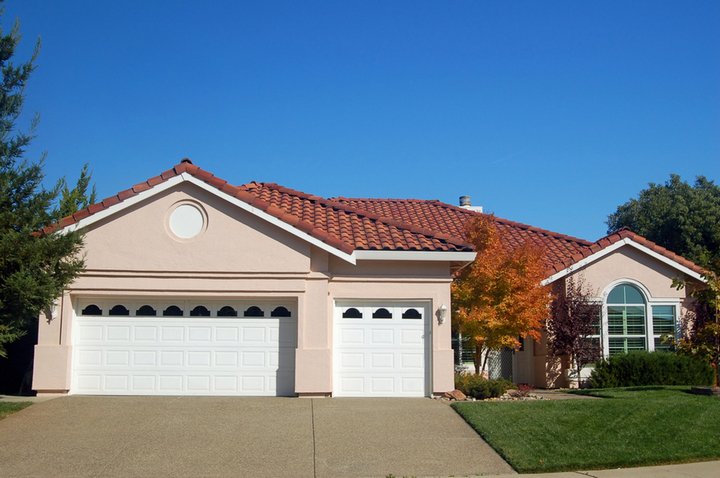
Reflective exterior paint is most useful where cooling demand is high and walls receive strong sunlight.
West-facing walls can become particularly hot during summer afternoons, while east-facing surfaces receive more morning sun.
South-facing exposure varies with latitude, season, nearby buildings and trees.
Before repainting, consider:
- how many hours of direct sunlight each wall receives;
- whether summer cooling accounts for a large share of household energy use;
- the amount and condition of wall insulation;
- roof overhangs, neighboring buildings, shutters and tree cover;
- whether winter heating demand is greater than summer cooling demand.
In a cold, cloudy location, reflecting winter sunlight may create a small heating penalty.
In a hot, sunny region, reduced cooling demand is more likely to outweigh that disadvantage.
Look for measured ratings instead of broad claims
Labels such as heat-reflective, insulating or energy-saving do not reveal how a coating was tested. Ask for initial and weathered solar-reflectance values, thermal-emittance data and the test standard used. Weathered performance matters because dirt, fading and surface deterioration can change reflectance over time.
The US Environmental Protection Agency notes that the Cool Roof Rating Council operates a program that reports solar reflectance and thermal emittance for roofing and exterior wall products. Its guidance on reflective building surfaces also explains that cool walls may be especially useful on older structures, where walls tend to contain less insulation than roofs.
Compare coatings intended for the same substrate. A product formulated for masonry may not be suitable for timber, metal siding or previously painted render.
Apply the coating as part of a wider cooling plan
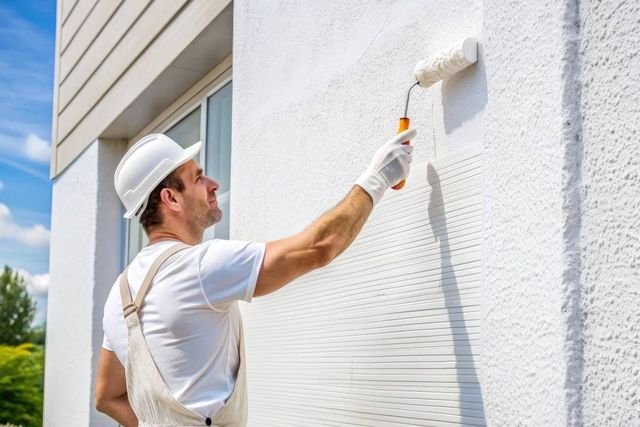
A reflective coating will not solve cracks, dampness, failing render or trapped moisture. The surface must first be cleaned and repaired, with loose paint removed and the correct primer applied. Follow the manufacturer’s requirements for surface temperature, humidity, drying time and the number of coats. Poor preparation can shorten the coating’s life regardless of its thermal properties.
For a broader reduction in cooling demand, combine reflective walls with:
- air sealing around windows, doors and service penetrations;
- adequate attic and wall insulation;
- external blinds, awnings or deciduous shade trees;
- night ventilation when outdoor conditions are suitable.
For poorly insulated buildings, it is also worth comparing the long-term benefits of insulation and other energy upgrades before spending extra on a specialist coating.
When repainting is most likely to be worthwhile
The simplest opportunity comes when a house already needs repainting. Choosing a tested reflective product may then involve a smaller additional cost than applying a separate coating solely to reduce heat. Request technical data from the manufacturer and ask the contractor to confirm compatibility with the existing wall.
Do not judge the project only by touching the wall after painting. A lower exterior surface temperature does not automatically translate into the same reduction indoors. Monitor electricity use across comparable summer periods and account for differences in weather and thermostat settings.
Indoor temperature sensors can also show whether peak afternoon temperatures change in rooms beside the most exposed walls. This produces more useful evidence than a single measurement taken on a sunny day.
Frequently asked questions
1. Can reflective paint be applied over brick?
It can be applied to some brick surfaces, but coating brick changes how the masonry handles moisture and may alter its appearance permanently. Confirm that the product is vapor-permeable and approved for the specific type and condition of brick. Historic masonry may require advice from a conservation specialist.
2. Will reflective wall paint create glare for neighbors?
Most matte exterior paints scatter reflected light rather than producing mirror-like glare. Very bright, smooth or metallic finishes can cause more noticeable reflection. Test a sample on the sunniest wall and view it from nearby properties before coating the entire house.
3. Can a homeowner receive an energy rebate for cool-wall paint?
Programs differ by country, state, city and utility provider. Some incentives cover cool roofs or whole-building energy improvements but exclude wall paint. Check eligibility before signing a contract, since programs may require approved products, minimum performance values or installation by a registered contractor.
4. Does reflective paint prevent mold inside a house?
No. A cooler exterior surface does not remove indoor moisture or repair leaks. Mold prevention requires control of water intrusion, condensation, humidity and ventilation. If staining or dampness is already present, identify the moisture source before repainting.
At the end
Exterior paint can reduce heat absorption when its tested solar and thermal properties suit the house and climate. The strongest case is a sun-exposed home in a cooling-dominated region that already needs repainting.
Homeowners should compare rated performance, calculate the added cost and address insulation, air leakage and shade at the same time.
That approach treats reflective paint as one useful part of the building envelope, rather than expecting a new color to perform like a complete energy retrofit.