
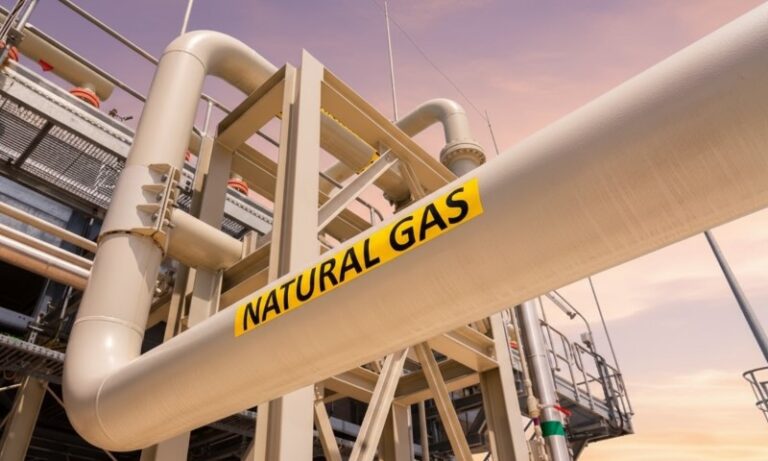
Natural gas occupies a complicated but very real place inside modern energy systems. It heats homes on cold nights, powers factories that make everyday goods, and quietly keeps electric grids steady when demand surges or weather disrupts renewable supply. Few fuels touch daily life so directly.
Calling natural gas “advantageous” only makes sense when tied to real situations. In practical settings, gas performs certain jobs well because of high energy density, wide pipeline infrastructure, and relatively low carbon dioxide output at the point of use.
Downsides also come from real conditions, including methane leakage, flaring, and indoor air quality concerns when combustion happens inside living spaces.
A full picture matters. Advantages and trade-offs sit side by side, shaping how natural gas fits into energy decisions today. Let’s get into the details.
What Natural Gas Is in Plain Terms
Natural gas is a blend of hydrocarbons, mostly methane. It forms in underground reservoirs, including shale formations, then moves through processing facilities before entering pipelines as pipeline gas.
When cooled to a liquid state, it becomes liquefied natural gas, or LNG, suitable for shipping across oceans.
From an end-user perspective, natural gas fills two major roles:
- Fuel used for heating and electricity generation
- Feedstock used as a raw material for fertilizer and chemical production
Both roles anchor gas deeply into residential, commercial, industrial, and power systems.
Where Natural Gas Is Used Today
Natural gas remains far from niche. Its footprint covers households, workplaces, factories, and grid operations.
Homes And Apartments
About 60% of homes in the United States use natural gas in some form, including space heating, water heating, cooking, and clothes drying.
When focusing only on primary space-heating fuel, natural gas served 47% of U.S. homes in 2024 based on American Community Survey estimates.
In daily life, gas supports consistent heating output, fast water recovery in tanks, and high burner power for cooking.
Commercial Buildings
Restaurants, hotels, schools, hospitals, and offices rely on natural gas for space heating, hot water, food service equipment, and sometimes on-site power generation through combined heat and power systems.
Industry
Industrial use pushes natural gas beyond heating. Factories consume it for both on-site energy and as a feedstock to manufacture products.
Fertilizer chains, plastics, hydrogen production, and petrochemicals rely heavily on gas-derived molecules.
Electricity Generation And The Grid
Natural gas has become the largest single source of electricity generation in the United States. In the December 2025 Short-Term Energy Outlook, natural gas accounted for 42% of U.S. electricity generation in 2024. Forecasts place gas at 40% for both 2025 and 2026.
LNG plays a growing role in global supply. U.S. LNG gross exports reached 12 Bcf/d in 2024, with forecasts of 15 Bcf/d in 2025 and 16 Bcf/d in 2026.
Lower Carbon Dioxide Output Per Unit Of Energy
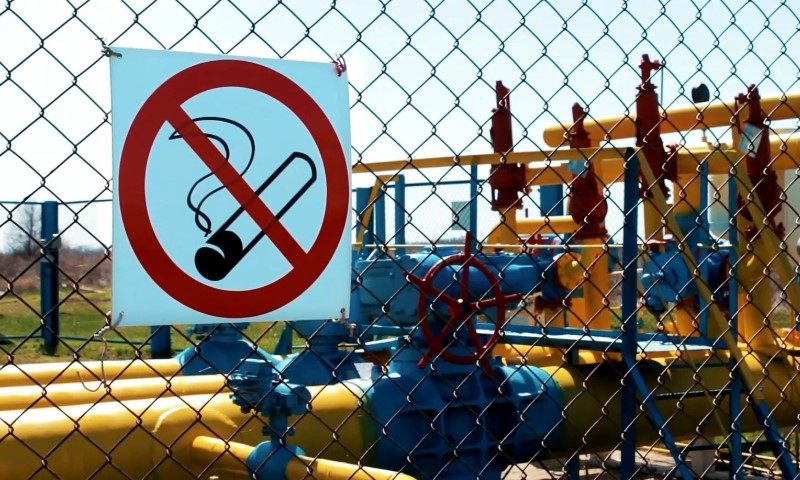
Combustion emissions represent one of the clearest comparative advantages tied to natural gas.
According to carbon dioxide emissions coefficients released September 18, 2024:
| Fuel | kg CO2 per million Btu |
| Natural gas | 52.91 |
| Coal (all types) | 95.99 |
| Distillate fuel oil | 74.14 |
Replacing coal with natural gas reduces carbon dioxide output for the same delivered energy. Even so, gas remains a major emissions source, so the benefit remains relative, not absolute.
Two practical outcomes follow:
- Power systems shifting from coal to gas can lower CO2 output per unit of electricity
- Efficiency improvements further magnify that effect
Flexible Power That Supports Grid Reliability
Electric grids rely on resources able to respond quickly to changing demand. Many natural gas plants ramp output faster than coal or nuclear facilities and can start when renewable production drops.
Grid operators depend on gas for:
- Fast response during peak demand
- Firm capacity for planning
- Operational support while storage and transmission expand
Studies on integrated grid and gas systems focus on gas pipeline flexibility because of its importance during tight winter conditions and near-miss reliability events.
With electricity generation expected to grow in 2025 and 2026, dispatchable capacity remains central to reliability planning.
High Efficiency Potential Through Combined Heat And Power
Combined heat and power systems offer one of the clearest efficiency benefits tied to natural gas. CHP units generate electricity and reuse captured heat, reaching total efficiencies above 80% in suitable designs.
| CHP Prime Mover | Typical Total Efficiency |
| Reciprocating engine | 75% to 80% |
| Combustion turbine | 65% to 70% |
| Steam turbine | 80% |
| Microturbine | 60% to 70% |
| Fuel cell | 55% to 80% |
CHP fits best in locations with steady heating loads:
- Hospitals
- Universities
- Industrial plants
- District energy systems
- Large commercial buildings
Direct-Use Heat That Remains Hard To Replace
Natural gas delivers high, controllable heat output. In older housing stock and cold climates, replacing gas systems can require electrical upgrades, insulation improvements, and equipment replacement.
Gas remains common for:
- Space heating in cold regions
- Multifamily hot water loads
- Hotels and hospitality
- Commercial kitchens
Infrastructure realities explain continued reliance in such settings.
A Critical Industrial Feedstock
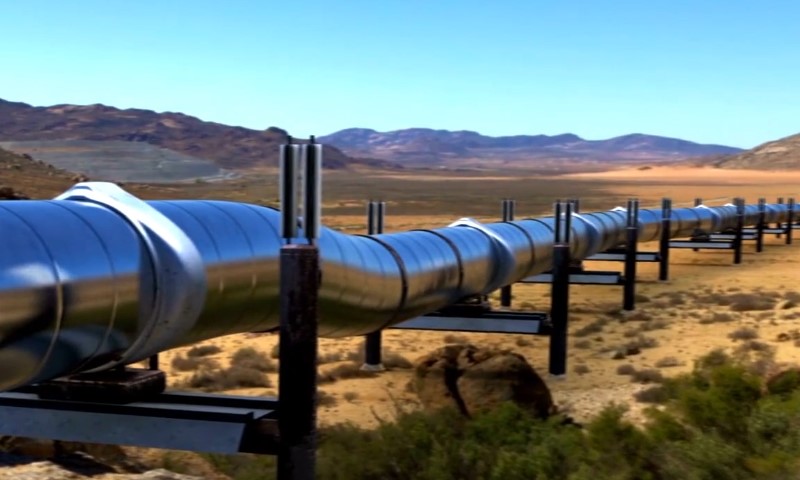
Industrial supply chains rely on natural gas as a chemical building block. Common examples include:
- Ammonia and fertilizer production
- Hydrogen generation through steam methane reforming
- Petrochemical manufacturing for plastics
Even as electricity becomes cleaner, gas-derived molecules remain foundational to global manufacturing.
LNG And Energy Security
LNG enables gas shipping across oceans, supporting supply diversification and flexibility. Rising U.S. export volumes strengthen international energy links while also influencing domestic price volatility during high-demand seasons.
Benefits include:
- Supply diversification
- Seasonal balancing
- Monetization of gas-rich regions
Environmental And Health Trade-Offs
Every benefit tied to natural gas carries real-world conditions that influence air quality, climate impact, and safety. Environmental and health factors shape how those benefits play out in daily use.
Methane Leakage
Methane significantly shapes lifecycle climate impact. Global fossil fuel methane emissions reached about 200 bcm in 2024. Nearly 100 bcm could become available through emissions control.
About 70% of emissions could be avoided with existing technologies, and approximately 35 Mt could be avoided at no net cost.
Lifecycle emissions from natural gas remain roughly 35% lower than coal on average when methane is controlled effectively.
Indoor Air Quality
View this post on Instagram
Combustion releases nitrogen dioxide. A 2024 study estimated roughly 50,000 current pediatric asthma cases in the United States stem from NO2 exposure linked to gas and propane stoves. WHO guidance sets an annual mean NO2 limit of 10 µg/m³.
Practical steps include:
- Outdoor-vented range hoods
- Avoiding stove use for space heating
- Considering electric cooking, where ventilation remains poor
Pipeline Safety
Large pipeline networks create safety and maintenance obligations. Federal agencies track incidents and fund modernization programs.
Actionable steps include:
- Maintaining carbon monoxide detectors
- Prompt response to gas odors
- Routine appliance servicing
Benefits By Use Case

Natural gas delivers different kinds of value depending on how and where it is used. Performance, cost, and efficiency gains change noticeably from homes to factories to power systems.
Home Heating And Hot Water
Best suited for buildings with:
- Existing gas connections
- Cold climate heating needs
- High hot water demand
Efficiency improvements include condensing furnaces, zoning, smart thermostats, and insulation upgrades.
Commercial Kitchens
Gas offers fast heat control and high burner output. Health and safety steps remain critical, including proper ventilation and hood maintenance.
Industry
Industrial benefits stem from:
- High-temperature process heat
- CHP opportunities
- Chemical feedstock needs
Power Systems
Gas supports:
- Peak demand
- Renewable ramping
- Extreme weather capacity
Practical Evaluation Checklist
View this post on Instagram
Use a quick screen before making equipment or fuel decisions. Small details in connections, ventilation, and load profiles determine whether natural gas delivers cost control, safety, and performance.
For Buildings
- Existing venting and connections
- High-efficiency appliances
- CO detectors
- Utility pricing review
For Campuses and Facilities
- CHP feasibility
- Resilience planning
- Methane management policies
- Emissions compliance
For Power Portfolios
- Ramp flexibility
- Fuel supply resilience
- Methane abatement strategies