
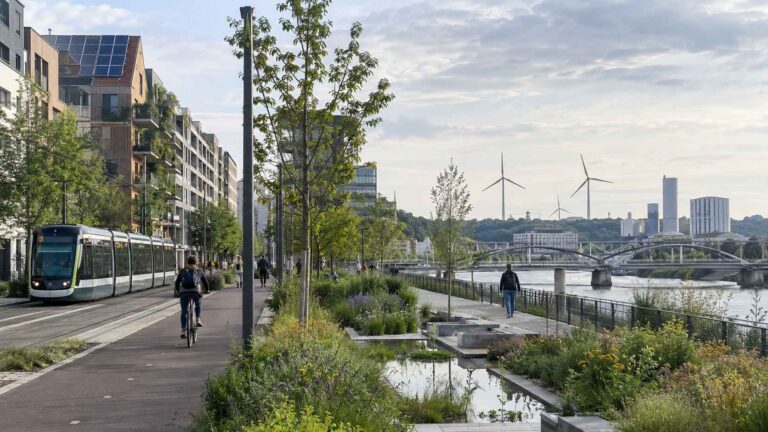
European climate projects are entering a different stage. The first wave focused heavily on proving that cleaner technologies could work.
The next wave will have to show that they can work at industrial scale, connect with existing energy systems and produce results that cities, companies and communities can measure.
Projects already receiving EU support give a clear indication of where that change is heading. Renewable hydrogen plants are getting larger, carbon capture is moving into cement and industrial sites, cities are testing complete climate plans instead of isolated pilot schemes, and climate adaptation projects are moving from research into real streets, coastlines and river systems.
The next generation will therefore look less like individual experiments and more like connected systems that deal with energy, industry, land, transport and climate resilience at the same time.
1. Industrial Climate Projects Will Become Much Larger
Europe is moving from small demonstrations toward projects designed to change entire industrial processes. Cement plants, steelworks, chemical sites, refineries and other energy-intensive facilities are already appearing throughout the EU Innovation Fund portfolio.
In March 2026, 54 projects selected through the Innovation Fund signed grant agreements worth a combined €2.7 billion. The projects include carbon capture, renewable hydrogen, industrial electrification, sustainable aviation fuels and lower-carbon manufacturing.
The European Commission’s Innovation Fund project database already shows carbon capture projects at cement plants in Belgium, France, Italy and Romania, alongside hydrogen, battery and industrial heat projects across Europe.
Future projects are likely to connect several technologies at one location. A steel or chemical plant might combine renewable electricity, hydrogen production, waste heat recovery, storage and carbon management rather than treating each one as a separate project.
2. Clean Energy Projects Will Be Designed Around the Grid
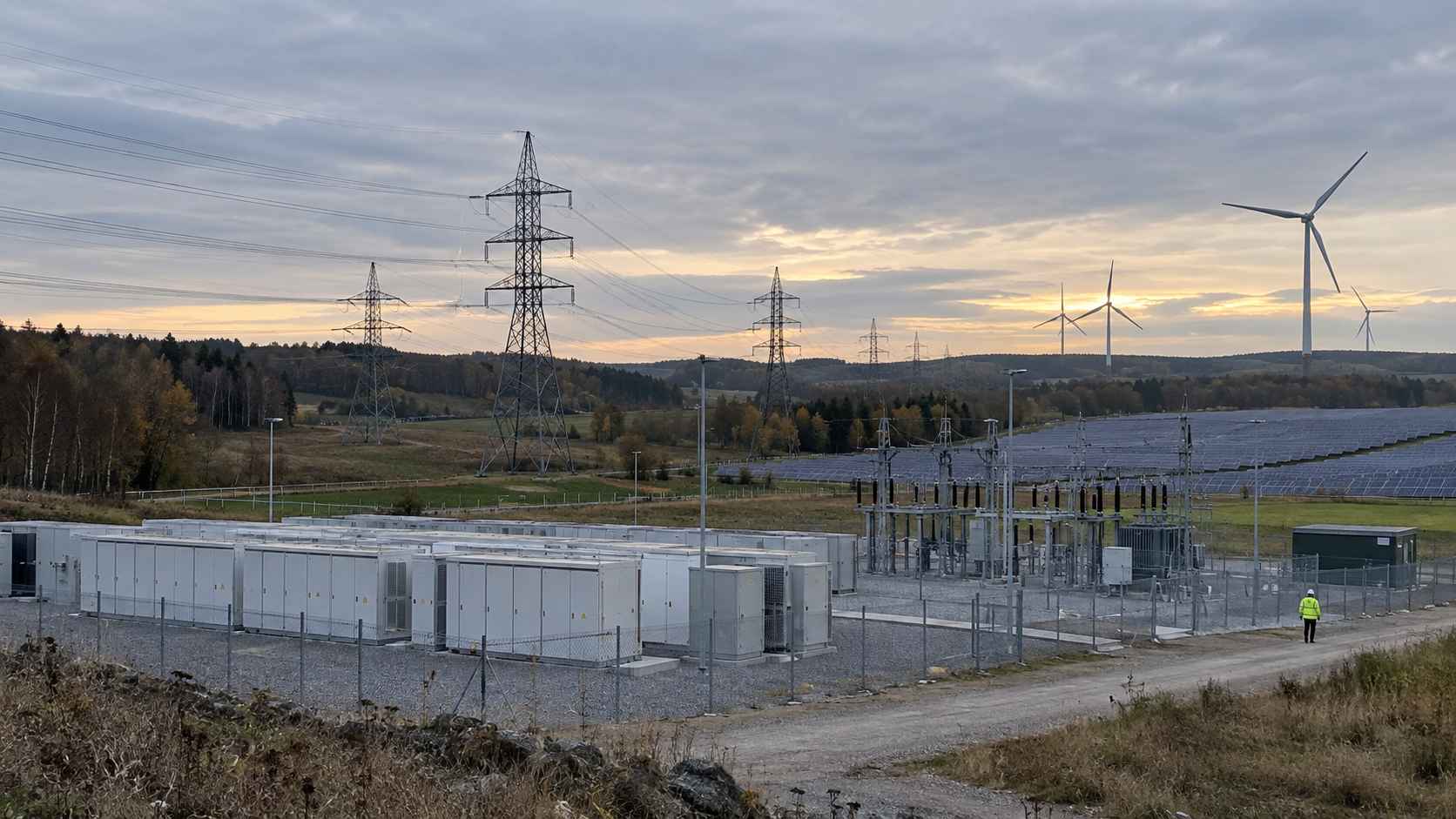
Adding more wind and solar generation creates another challenge. Electricity has to reach users at the right time, and the grid has to remain stable when renewable output changes quickly.
Energy storage, stronger transmission links and smarter electricity networks are therefore becoming part of climate investment itself. The European Commission expects renewable energy to provide around 69% of EU electricity by 2030, increasing the need for system flexibility.
The Commission’s energy storage data estimates that flexibility needs could reach 288 TWh by 2030, compared with a much smaller share of electricity demand in 2021.
That means the next large renewable project will not always be judged only by how many megawatts it generates. Developers will increasingly need to explain how electricity will be stored, moved, balanced and delivered when consumers actually need it.
3. Climate Adaptation Will Become More Visible in Everyday Places
Some of the most important European climate projects will not produce electricity or capture carbon. They will protect towns and cities from heat, flooding, drought, wildfire and rising sea levels.
The EU Mission on Adaptation to Climate Change has already moved into a larger deployment phase. More than 400 regions and local authorities are now involved, and a 2026 catalogue covers 65 projects working on real climate risks across Europe.
Future projects are likely to include redesigned public squares that retain rainwater, restored wetlands around flood-prone towns, shaded streets, cooler school grounds, fire-resistant landscapes and better systems for storing water during dry periods.
Presentation will also become important because many of these projects change places that people use every day.
Residents need to understand what a redesigned riverfront, park, street or flood-storage area will look like before construction begins.
For early concept work, teams can use visual-generation workflows, such as the Nano Banana 2.5 GemPix tool, to prepare draft illustrations for presentations and public discussions.
4. European Cities Will Test Complete Climate Plans
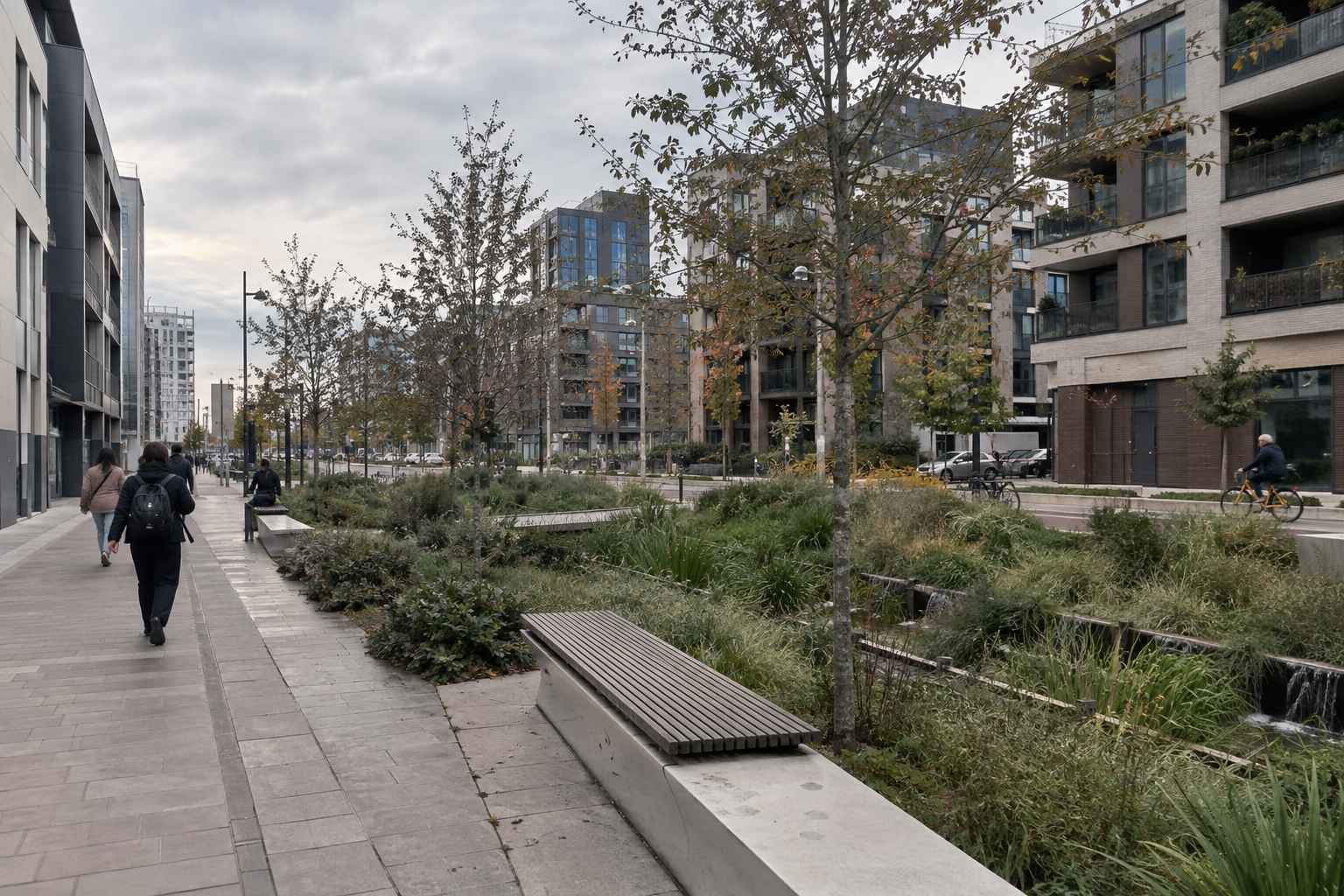
Urban climate projects are also moving away from one-off improvements. Instead of replacing a few buses, renovating one building or installing a small solar project, cities are beginning to connect transport, buildings, heating, energy and public space.
The EU Mission for Climate-Neutral and Smart Cities now supports 112 cities that are working toward climate neutrality by 2030. The idea is not only to reduce emissions in those locations, but to use them as testing grounds for approaches that other European cities can copy.
The Cities Mission brings local authorities together with businesses, residents, investors and national institutions.
A future city project might therefore combine building renovation, district heating, charging infrastructure, cycling routes, public transport and local renewable generation under one investment plan.
5. Carbon Removal Projects Will Need Stronger Proof
Europe will still need major emission reductions, but some sectors will continue producing residual emissions that are difficult to eliminate completely. That is increasing attention on permanent carbon removal.
In 2026, the EU established certification methodologies for direct air capture with carbon storage, biogenic carbon capture and storage, and biochar carbon removal.
The new framework changes the type of project that investors and public authorities can support. A carbon-removal project will increasingly need to show how much carbon it removes, how long that carbon remains stored and how the result is independently verified.
The EU Carbon Removal and Carbon Farming framework also covers agriculture, agroforestry, peatland restoration and afforestation through separate carbon-farming methodologies adopted in 2026.
Future carbon projects will therefore depend as much on monitoring and verification as they do on the technology or land-management method itself.
6. Hydrogen Projects Will Focus More on Real Buyers
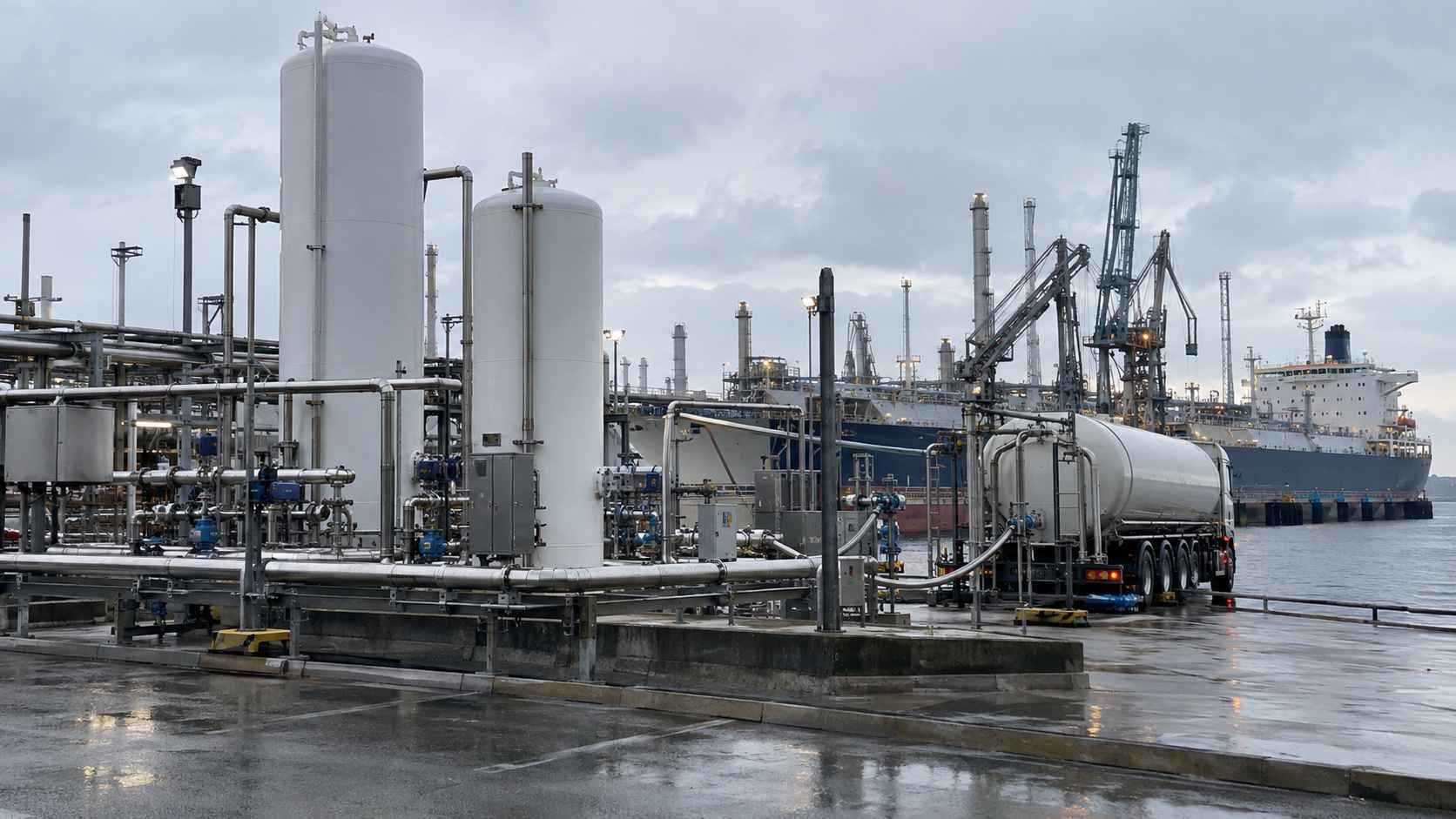
Europe has spent several years building a renewable hydrogen pipeline. The next stage is increasingly about finding industries and transport sectors that will actually buy the hydrogen.
The 2025 European Hydrogen Bank auction selected nine projects across seven countries, representing almost 1.1 GW of electrolyser capacity. Several projects are linked directly to maritime and aviation demand rather than producing hydrogen without a defined use.
The next auction, planned for December 2026, is expected to provide up to €500 million for renewable and electrolytic low-carbon hydrogen production.
Future projects are therefore likely to cluster around ports, refineries, chemical sites, steel plants and other locations where large customers can use hydrogen without transporting it over very long distances.
7. Nature Restoration Will Become Part of Climate Infrastructure
European climate policy is increasingly connecting emissions, biodiversity and resilience. Restoring a wetland, peatland or forest can store carbon, but it can also hold water, reduce erosion, support wildlife and protect surrounding areas from extreme weather.
That combination will influence the next generation of projects. A restored river corridor may be funded partly because it improves biodiversity and partly because it creates extra space for floodwater. Peatland restoration can reduce emissions from degraded soils and improve water retention at the same time.
The LIFE programme continues to fund projects across nature and biodiversity, circular economy, climate mitigation, adaptation and clean energy. Its 2026 calls show how closely these areas are now connected.
Projects with several measurable benefits will have a stronger case than schemes designed around only one environmental target.
8. Successful Pilot Projects Will Need a Clear Route to Replication
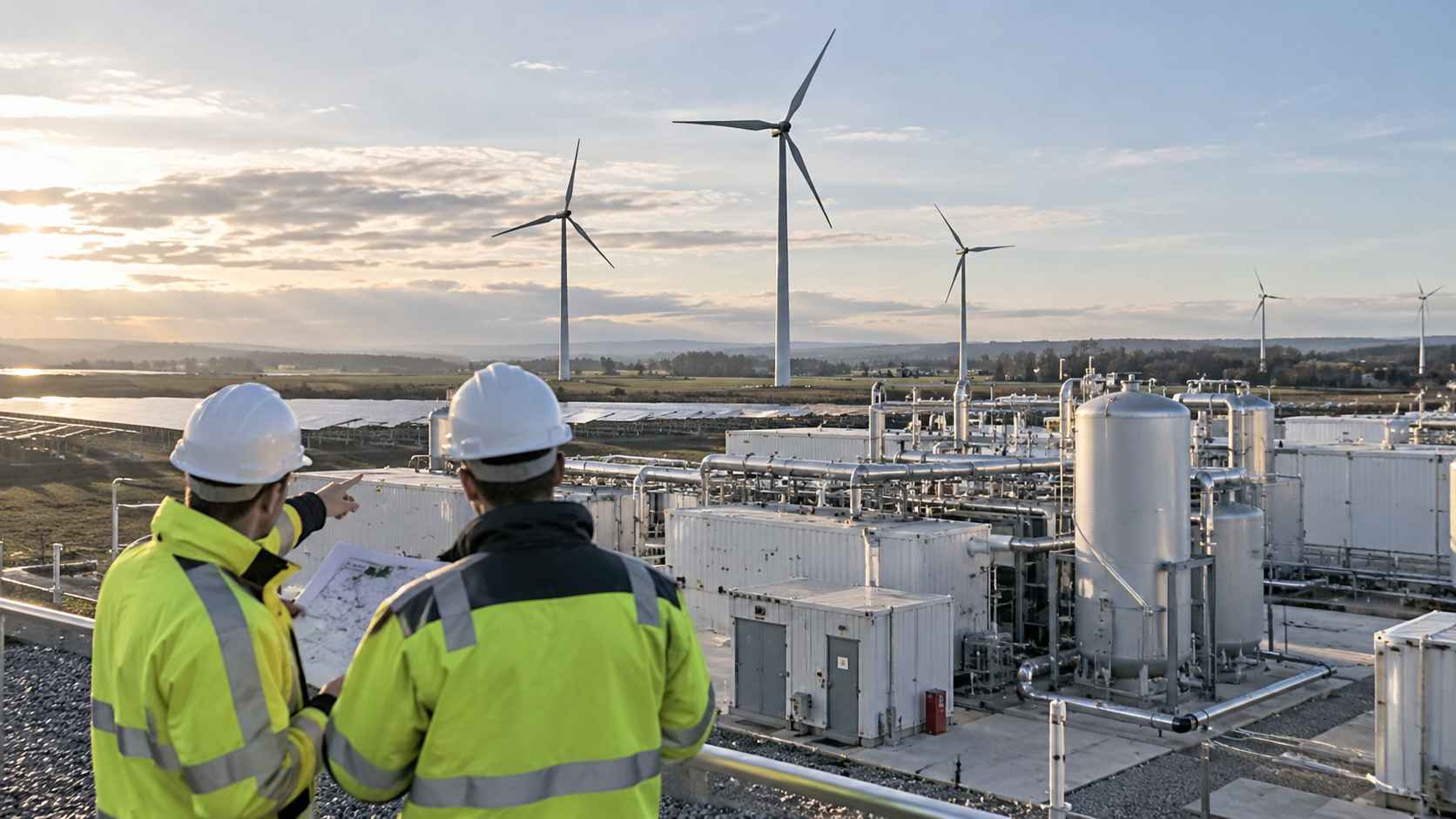
Europe already has thousands of climate pilots. The more difficult task is turning a successful local project into something that can be repeated in another city, factory or region.
Future funding is likely to place more pressure on applicants to explain what happens after the demonstration period. A system that works at one wastewater plant or industrial site has more value if the design, cost and operating data can help similar facilities adopt it later.
The same principle applies to city projects. A cooling strategy tested in Barcelona or Athens becomes more useful when other hot European cities can understand its cost, land requirements, maintenance needs and measured temperature effects.
Projects will therefore need better documentation and stronger plans for replication from the beginning, rather than treating knowledge sharing as something added near the end.
9. Measurement Will Become Part of the Project From Day One
Climate claims are becoming harder to make without supporting data. Funding bodies, regulators and investors increasingly want evidence showing how much energy, carbon, water or material a project actually saves.
Future projects will be designed with monitoring included from the beginning. Industrial projects may track energy consumption and avoided emissions. Adaptation projects can monitor temperature, soil moisture or flood levels. Nature projects may follow changes in carbon stocks, water conditions and biodiversity.
Better measurement also helps identify projects that are not performing as planned. A technology that works in a laboratory can behave differently at full scale, and early data gives project teams a chance to adjust operations before problems become expensive.
10. Local Communities Will Have a Larger Role
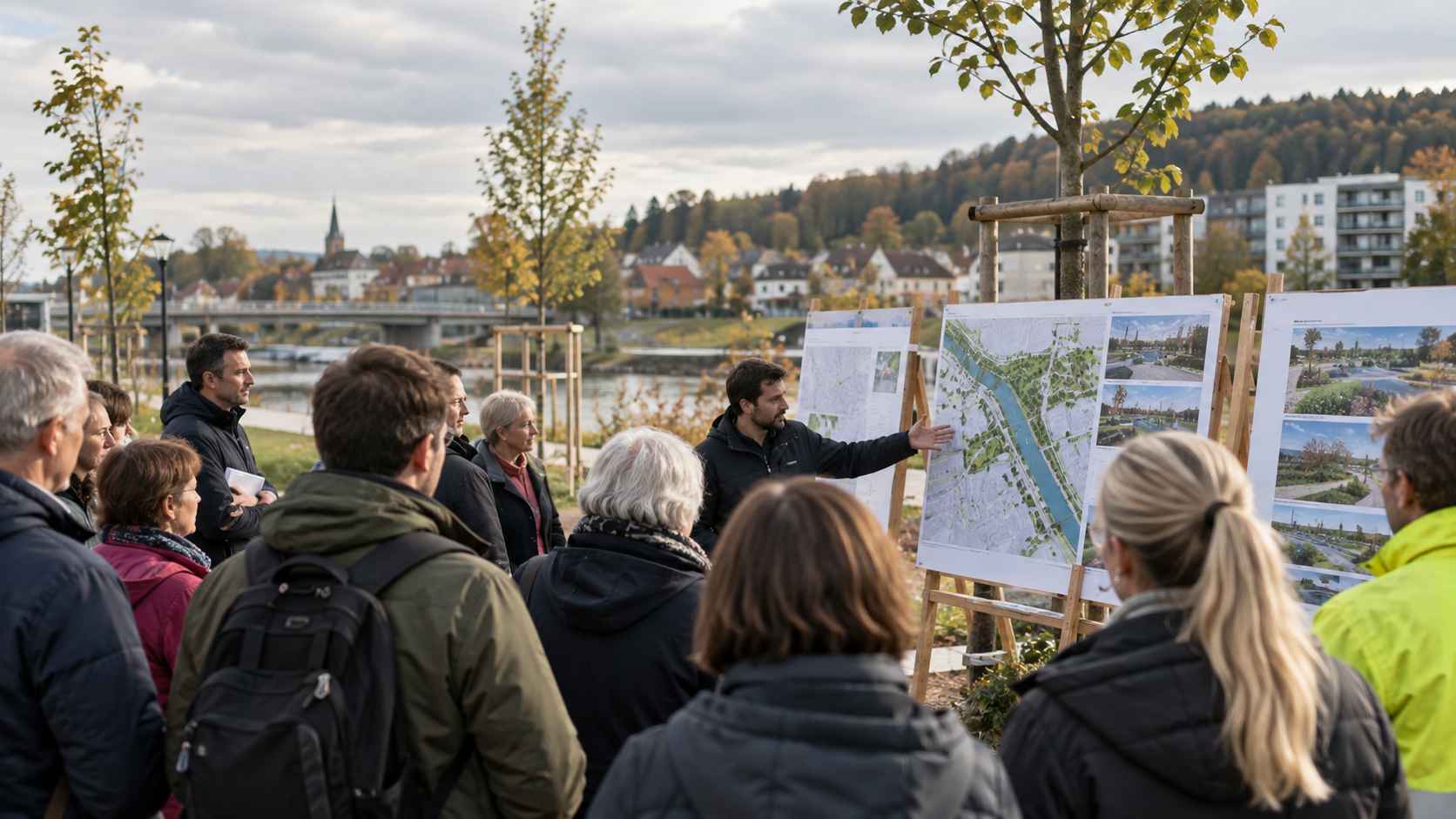
Large climate projects affect real places. New power lines cross landscapes, wind projects change views, flood works alter public spaces and industrial projects create construction traffic and new infrastructure.
Technical performance alone does not guarantee that a project will move forward smoothly. Developers increasingly need to involve residents, municipalities, landowners and local businesses much earlier.
Community involvement can also improve a project. People living near a flood-prone river know where water collects. Residents understand which public spaces become unbearable during heatwaves. Farmers know where drainage and soil conditions change across their land.
The next generation of European projects will therefore depend on engineering and finance, but also on explaining plans clearly and incorporating useful local knowledge before construction begins.
Last Words
The next wave of European climate projects will be larger, more connected and easier to measure than many of the pilot schemes that came before them.
Industrial plants will combine several decarbonization technologies, cities will connect energy and transport projects, and adaptation work will become more visible in streets, rivers and public spaces.
The strongest projects will be the ones that can prove their results and show how the same approach can work somewhere else in Europe.